
The PowerMentor Institute for Freedom and Justice explores leadership, freedom, and democracy issues with a commitment to those seeking freedom and self-determination, empowering those in regions with totalitarian control. We conduct thorough research using AI and other tools to provide the most accurate and insightful information available.

RESPECT YOUR ELDERS: THE COMING SOCIAL SECURITY BLAME GAME
America is rapidly approaching a moment of truth regarding Social Security, government spending, and the promises made to generations of hardworking Americans. For decades, politicians knew the system faced long-term financial pressures. Actuaries issued warnings. Economists highlighted demographic challenges. Fiscal conservatives repeatedly called for reforms. Yet rather than addressing the problem while solutions were manageable, Washington chose the politically convenient path of postponement. Now that the financial realities are becoming increasingly difficult to ignore, many conservatives believe a dangerous new strategy is emerging: redirecting public anger away from government failures and toward America's seniors.
Across social media, popular culture, and political commentary, a growing narrative by the Left portrays Baby Boomers as selfish, entitled, and responsible for many of the economic challenges facing younger Americans. Rising housing costs, student debt, inflation, retirement insecurity, and even Social Security's future funding challenges are increasingly being linked to older generations. This narrative is emotionally appealing because it provides a simple villain. However, simple villains rarely explain complex problems, and in this case the facts tell a very different story.
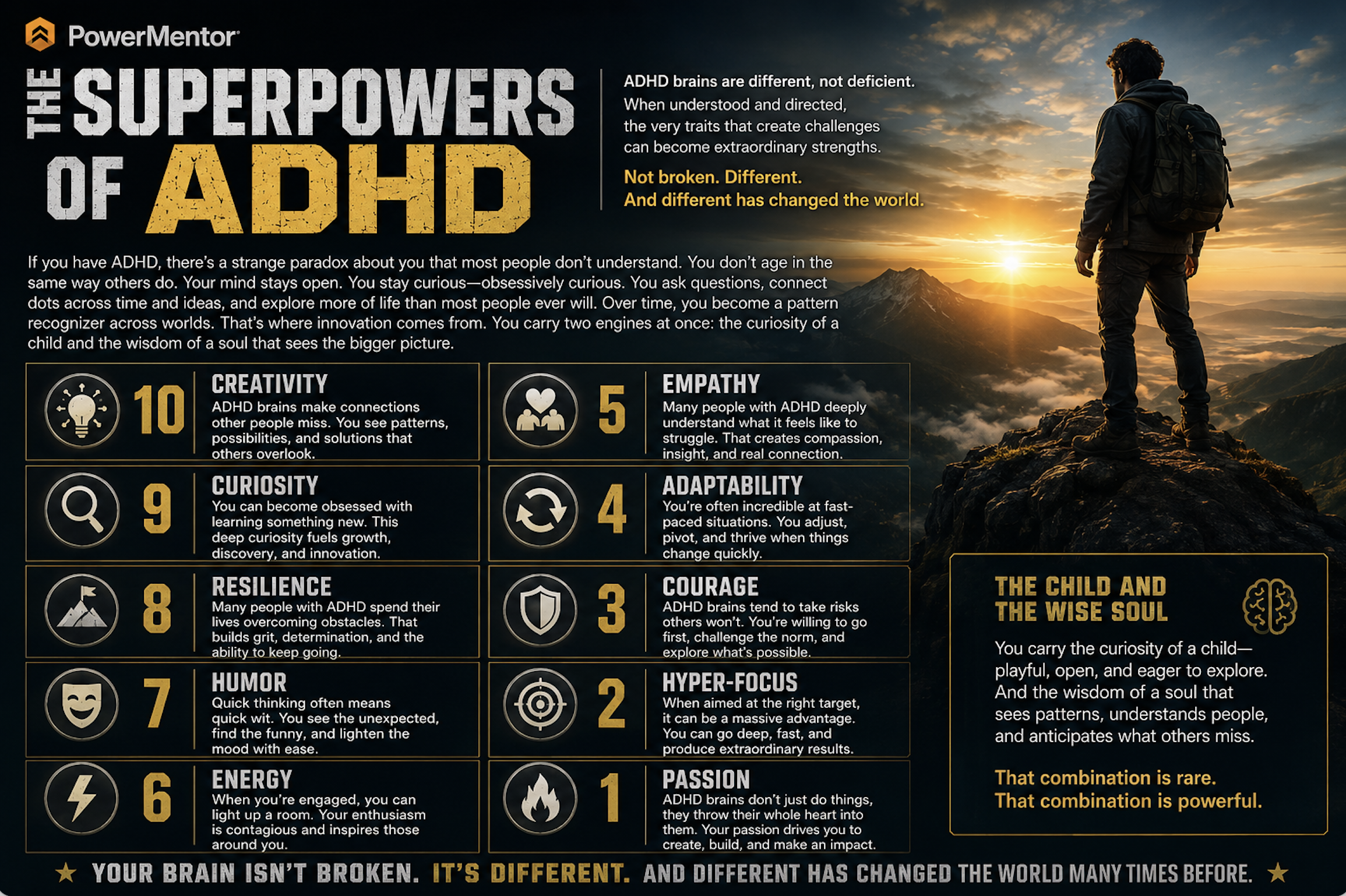
The Superpowers of ADHD: Why a Different Brain Can Be an Extraordinary Advantage
For most of modern history, ADHD has been described almost entirely through the language of deficits. We hear words like distracted, impulsive, forgetful, restless, disorganized, and inattentive. While those challenges are real and should never be minimized, they represent only part of the story. What often gets lost in the conversation is that many of the same neurological characteristics that create struggles can also create extraordinary strengths.
The truth is that countless entrepreneurs, innovators, inventors, artists, explorers, first responders, leaders, and visionaries possess traits commonly associated with ADHD. Their brains process information differently. They often see opportunities others miss, connect ideas others never relate, and remain curious long after others have stopped asking questions. ADHD is not a lack of intelligence. It is not a lack of capability. It is a different operating system that comes with both challenges and advantages.
The question is not whether ADHD creates obstacles. It does. The real question is whether those obstacles are the entire story. They are not.
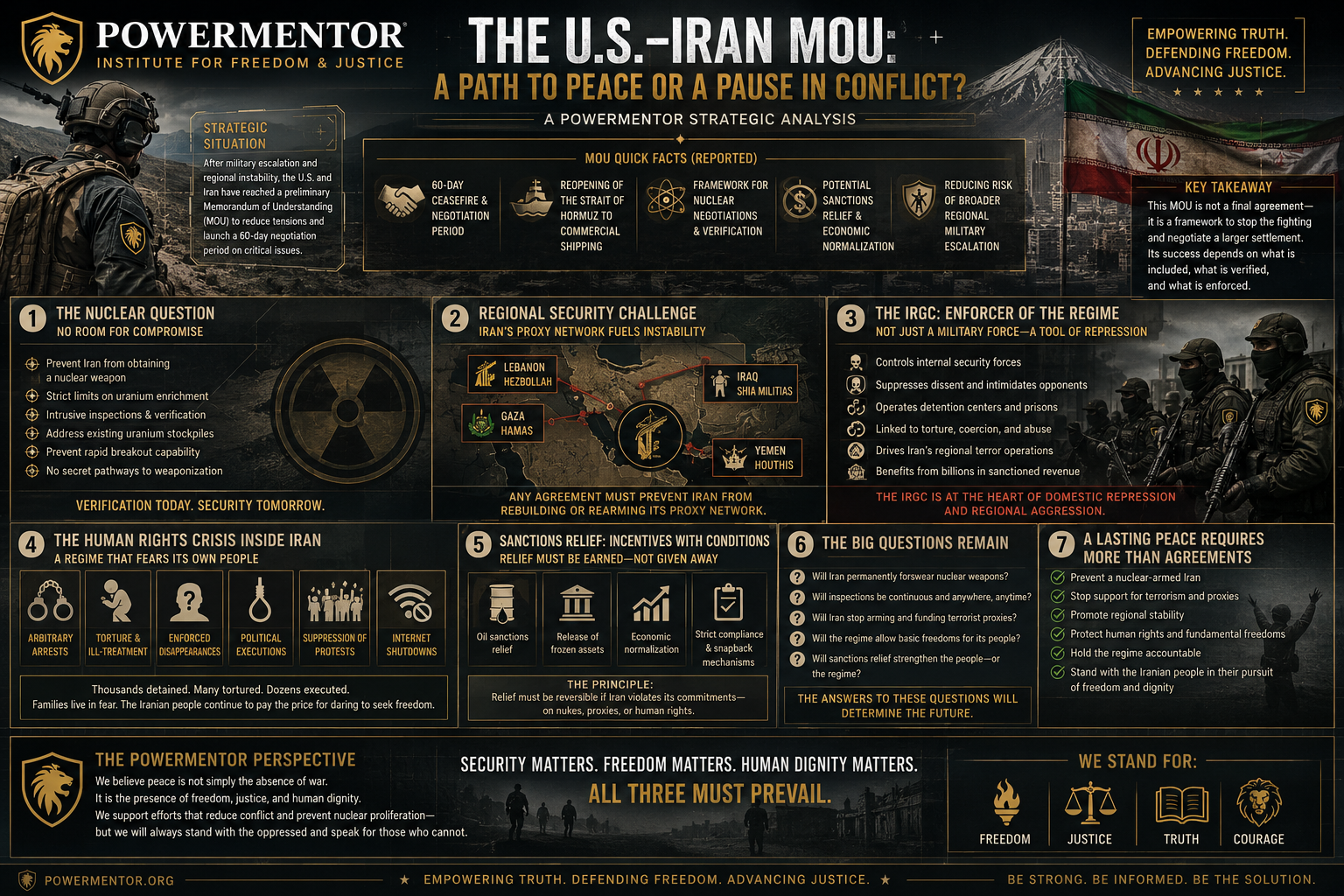
The U.S.–Iran MOU: A Path to Peace or a Pause in Conflict?
The recently announced Memorandum of Understanding (MOU) between the United States and Iran represents one of the most significant developments in Middle East diplomacy in years. Following months of escalating conflict, military strikes, and growing concerns over Iran's nuclear ambitions, both nations have reportedly agreed to a framework intended to reduce tensions and open the door to broader negotiations.
Supporters view the agreement as an opportunity to prevent a larger regional war and stop Iran from obtaining a nuclear weapon. Critics warn that any agreement which fails to address Iran's history of deception, support for proxy groups, and systematic human rights abuses may merely postpone future conflict.
The reality is that both perspectives contain important truths.
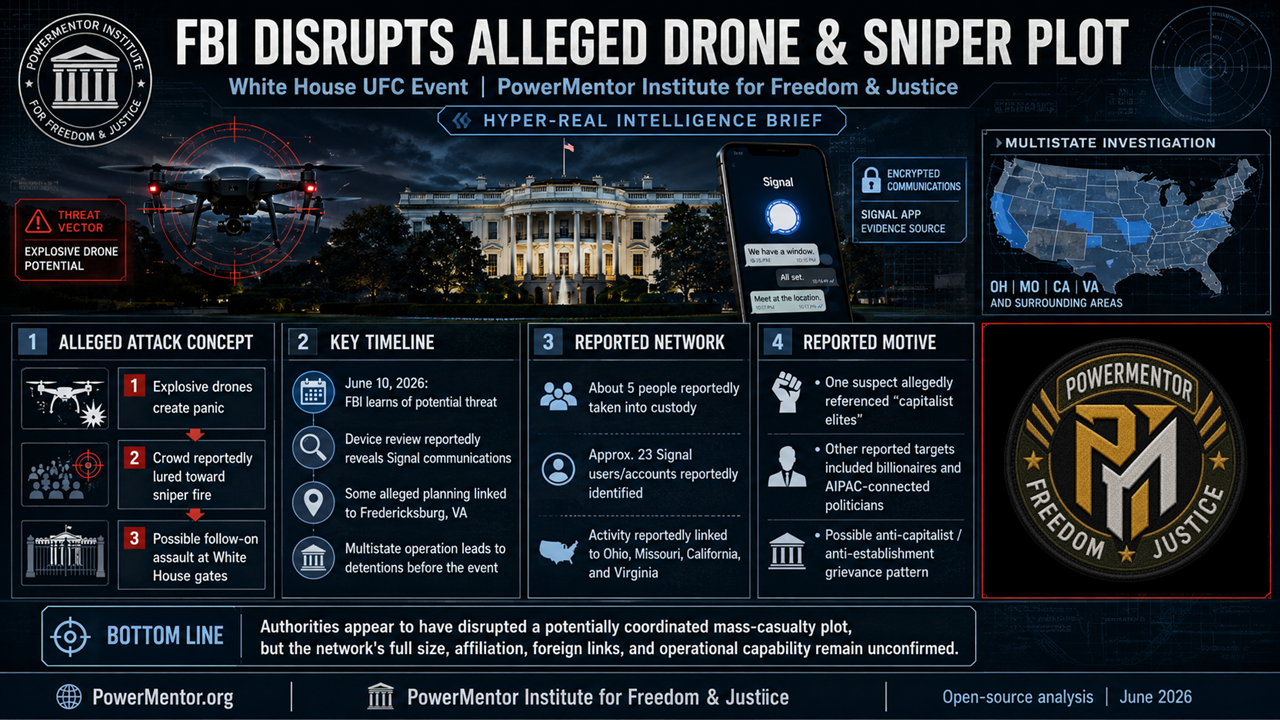
FBI Disrupts Alleged Explosive-Drone and Sniper Plot Against White House UFC Event
Federal authorities say they disrupted an alleged multistate attack plot targeting the UFC Freedom 250 event held at the White House on June 14, 2026. The reported plan was not limited to one explosion or one attacker. It allegedly involved a carefully sequenced operation using explosive-laden drones, manipulated evacuation routes, sniper teams, and a possible second-wave assault against the White House perimeter.
The FBI reportedly learned of the potential threat on June 10, 2026—only four days before the event. A rapid investigation led to several people being taken into custody and exposed a larger Signal messaging network containing approximately 23 participants or accounts discussing elements of the alleged operation.
This case represents a deeply concerning example of how inexpensive drone technology, encrypted communications, firearms, crowd psychology, and coordinated extremist violence can be combined into a potentially devastating attack.
However, several critical facts remain undisclosed. Federal authorities have not yet publicly identified the suspects, confirmed their citizenship, named an affiliated organization, or established that a foreign government directed the operation.
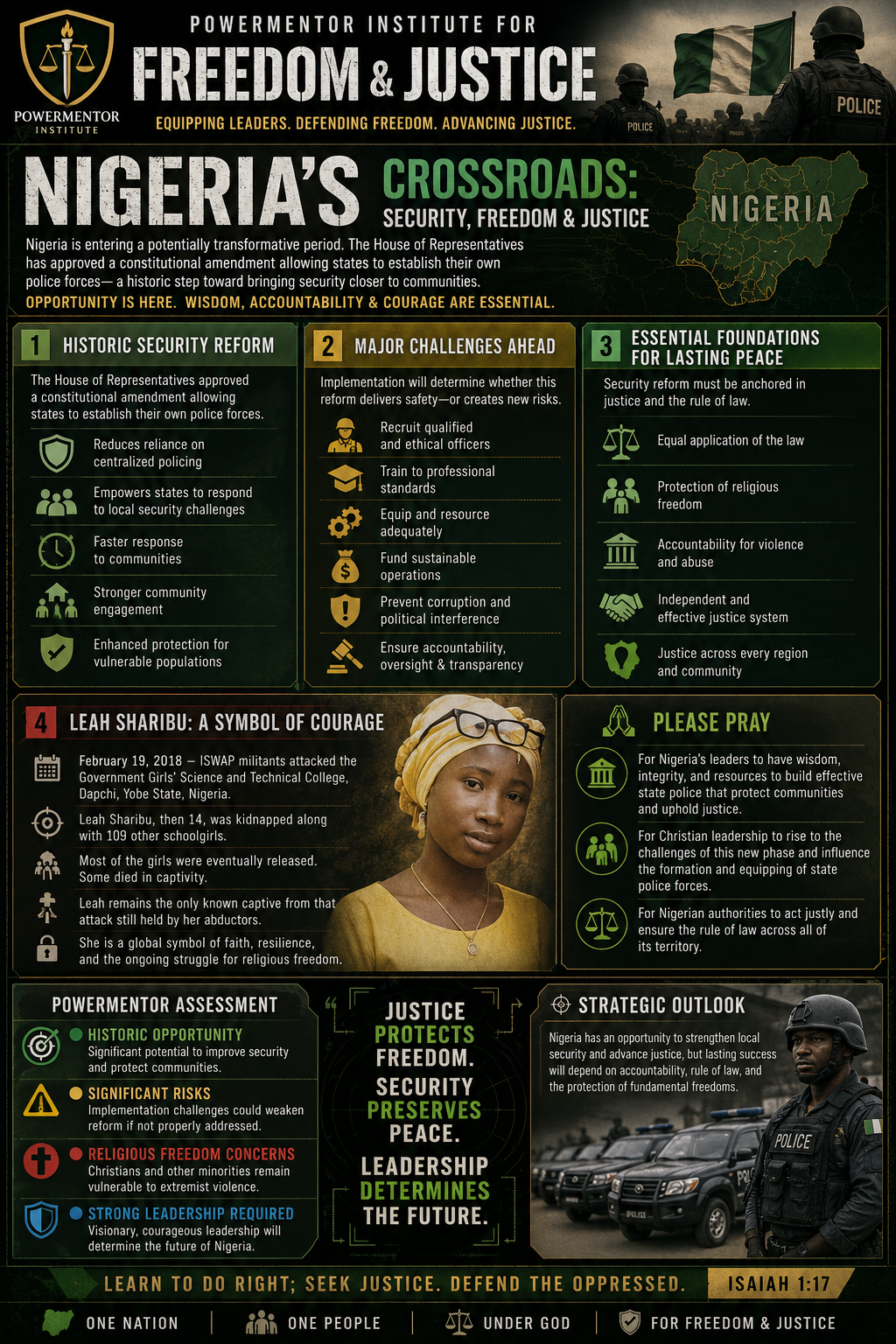
Nigeria at a Crossroads: Security Reform, Religious Freedom, and the Pursuit of Justice
A Nation Facing a Defining Moment
Nigeria, Africa’s most populous nation, stands at a potentially historic turning point. After years of escalating violence, terrorism, kidnappings, and insecurity, the Nigerian House of Representatives has approved a constitutional amendment that would allow individual states to establish their own police forces for the first time in the nation’s history.
This reform represents far more than a change in law enforcement structure. It reflects a growing recognition that local communities often require local solutions and that centralized security systems alone have struggled to address the unique challenges facing different regions of the country.
If implemented effectively, this reform could become one of the most significant security transformations in modern Nigerian history.
Why This Reform Matters
For decades, Nigeria has relied primarily on a centralized national police system. While designed to provide uniform security across the country, many communities have argued that local authorities often lack the resources and authority needed to respond rapidly to emerging threats.
The proposed reform would allow individual states to establish their own police organizations capable of addressing local security concerns.
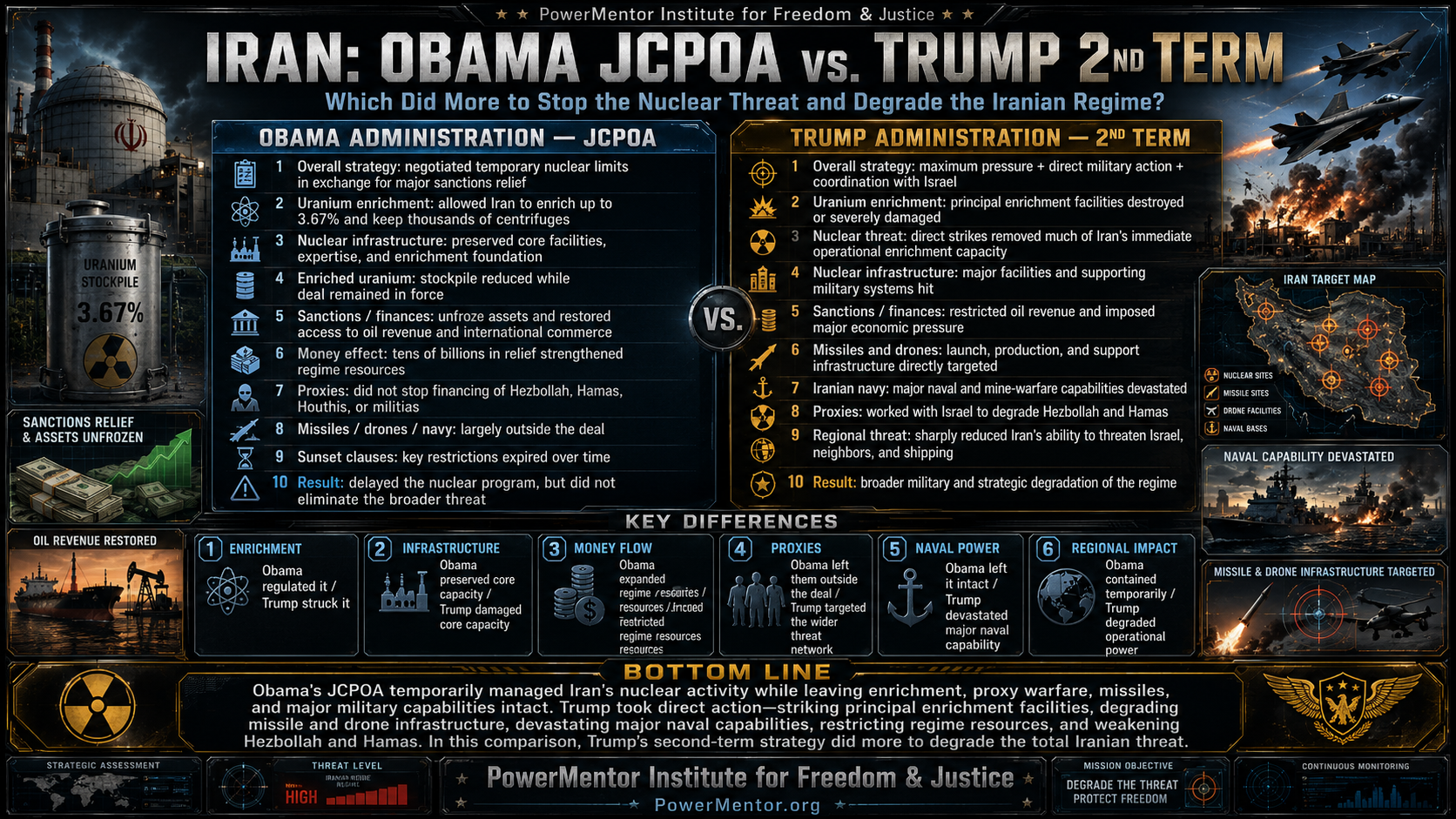
Obama’s Iran Deal vs. Trump’s Second-Term Strategy
Obama’s Agreement Managed the Threat Rather Than Eliminating It
The JCPOA reduced Iran’s uranium stockpile, limited enrichment to 3.67% and temporarily reduced the number of operating centrifuges. However, it did not prohibit enrichment or dismantle Iran’s nuclear knowledge and industrial foundation. Iran was allowed to retain thousands of centrifuges and major nuclear facilities under inspection.
That distinction is essential. Obama’s policy was based on temporary containment. Iran was permitted to maintain the machinery, expertise and infrastructure needed to restart or accelerate enrichment when the agreement weakened or collapsed.
The later accumulation of uranium enriched to 60% demonstrated that the JCPOA had not permanently removed Iran’s nuclear capacity. It delayed the program but did not destroy the foundation from which Iran could rebuild.
Obama’s Sanctions Relief Strengthened the Iranian Regime
The Obama administration lifted major nuclear-related sanctions and restored Iran’s access to frozen assets, oil revenues and portions of the international financial system. Estimates of the total economic value varied, but the relief provided Iran with tens of billions of dollars in accessible resources and renewed revenue.
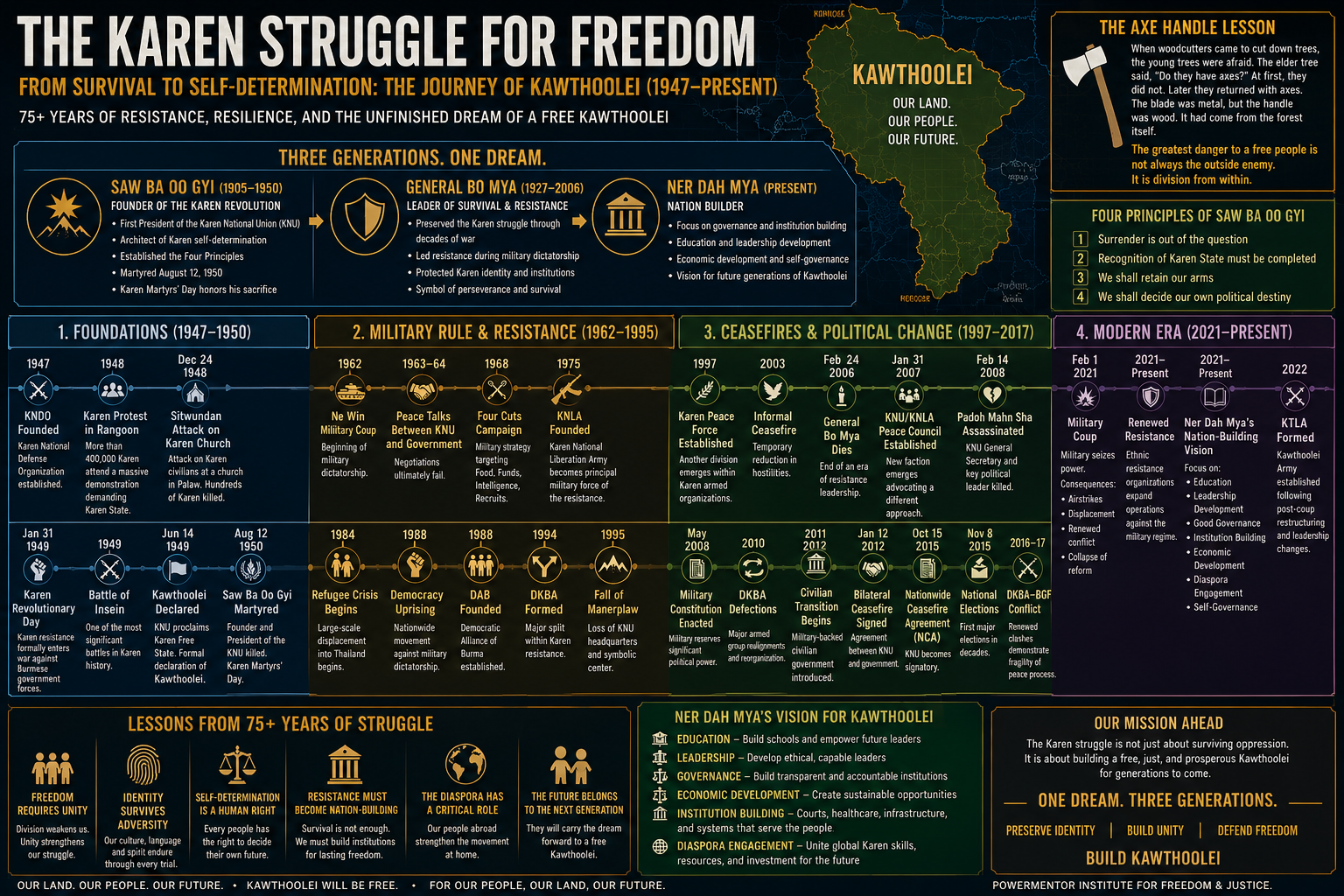
THE KAREN STRUGGLE FOR FREEDOM: From General Bo Mya’s Generation of Survival to Ner Dah Mya’s Vision for Building Kawthoolei
For more than seventy-five years, the Karen people have carried one of the world’s longest and most enduring struggles for freedom. Their story is often reduced to armed conflict, refugee camps, ceasefires, and political negotiations. Yet to understand the Karen struggle only through the lens of war is to miss the deeper story. The Karen journey is ultimately about identity, self-determination, resilience, faith, leadership, and the refusal of a people to surrender their future despite decades of oppression.
The modern Karen movement began in 1947 with the formation of the Karen National Defense Organization (KNDO). This was a defining milestone because Karen leaders understood that their future could not be left entirely in the hands of others. As Burma moved toward independence, the Karen people sought recognition, protection, and the right to determine their own future. The formation of KNDO represented a clear message: the Karen people would not stand defenseless while others decided their destiny.
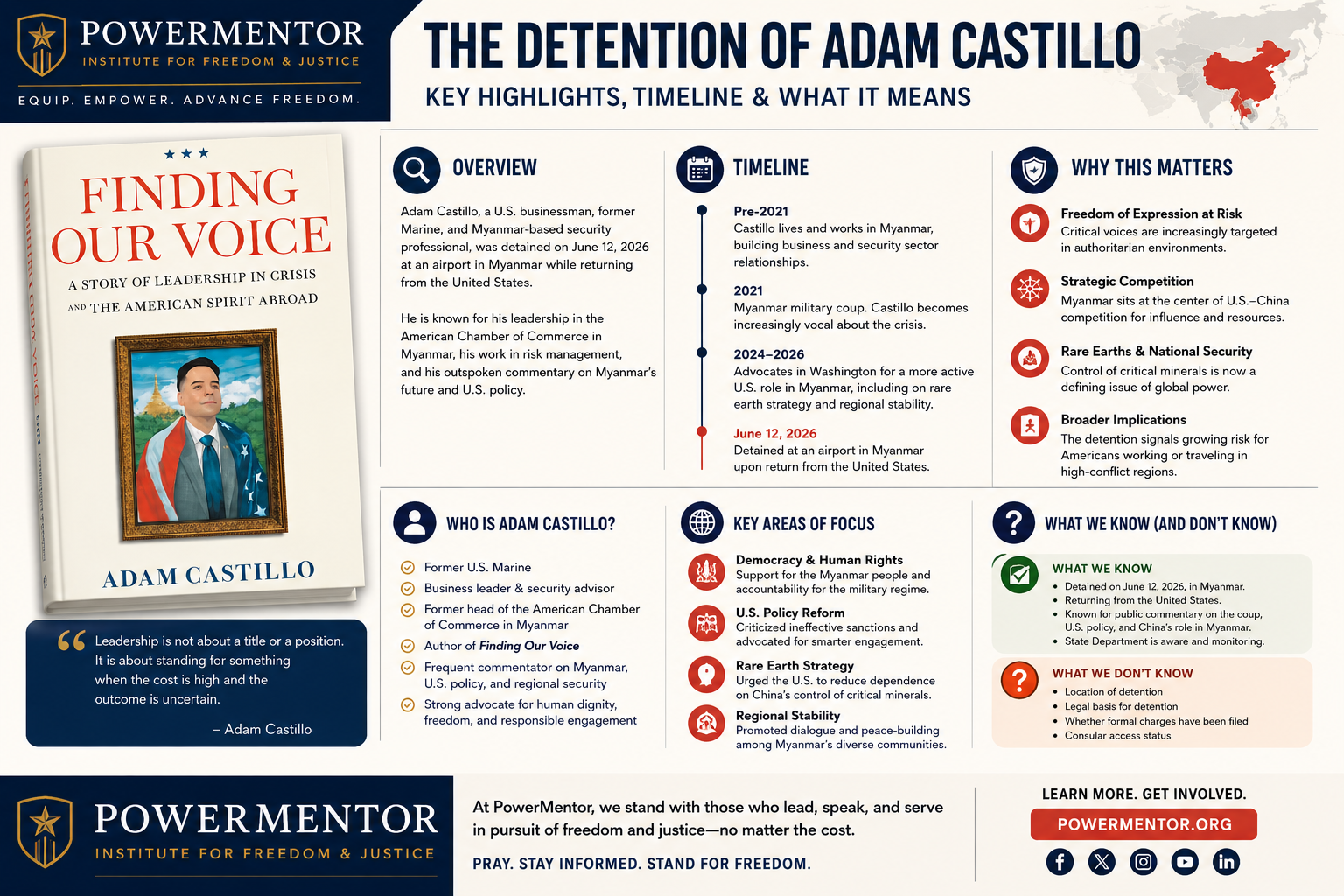
TWO AMERICANS. TWO AUTHORITARIAN REGIMES. ONE ALARMING MESSAGE: The Detention of Adam Castillo in Burma (Myanmar) and the Arrest of Min Zin in China
In the span of just a few days, two Americans with deep ties to Burma (Myanmar) found themselves detained by two of the most powerful authoritarian governments in Asia. One was arrested in Burma (Myanmar). The other was arrested in China. At first glance, the stories appear unrelated. Yet when viewed through the lens of geopolitics, freedom, and the growing competition between democratic and authoritarian systems, they reveal something much larger than the fate of two individuals.
The detention of Adam Castillo, a former United States Marine, businessman, security professional, and author, and the arrest of Min Zin, a respected scholar, democracy advocate, and policy analyst, have raised serious concerns among diplomats, academics, humanitarian workers, and freedom advocates around the world. While there is currently no evidence that the two cases are directly connected, both men operated in the increasingly dangerous space where truth, influence, national security, and authoritarian power intersect.
What makes these cases significant is not merely that two Americans were detained. It is that both men spent years engaging with one of the most complex geopolitical conflicts in the world: the ongoing struggle for Burma’s (Myanmar) future.
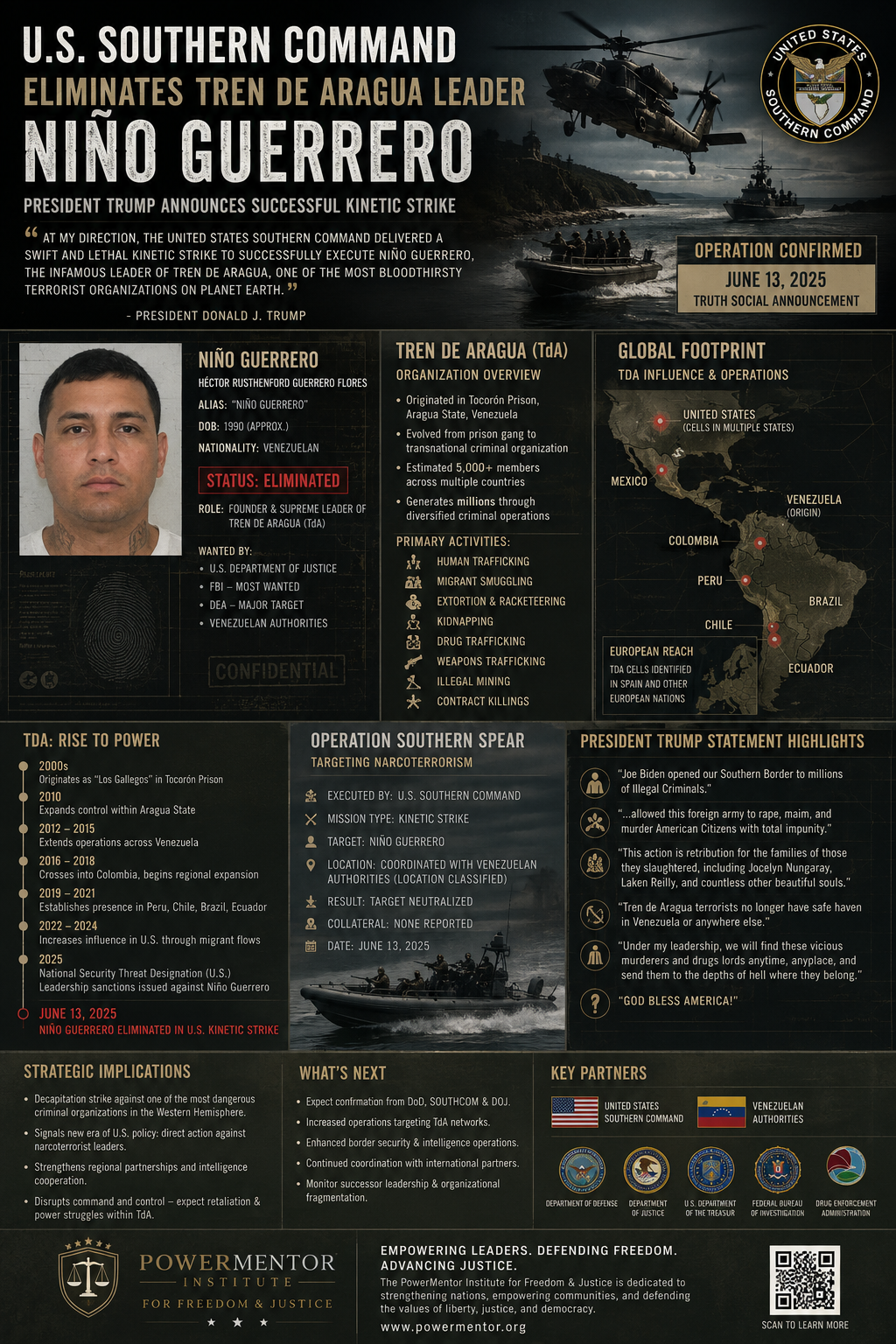
TREN DE ARAGUA: THE RISE OF A TRANSNATIONAL CRIMINAL EMPIRE AND THE REPORTED ELIMINATION OF NIÑO GUERRERO
When Criminal Organizations Become National Security Threats
On June 13, 2026, President Donald J. Trump announced that United States Southern Command had conducted a "swift and lethal kinetic strike" resulting in the death of Héctor Rusthenford Guerrero Flores, better known as Niño Guerrero, the alleged founder and supreme leader of Tren de Aragua (TdA).
This operation represents one of the most significant actions ever taken against a transnational criminal organization in the Western Hemisphere.
The significance extends far beyond the death of one criminal leader.
It reflects a growing recognition that certain criminal organizations have evolved beyond traditional gangs and now operate as transnational threats capable of destabilizing governments, corrupting institutions, exploiting migration routes, trafficking human beings, and terrorizing communities across multiple continents.
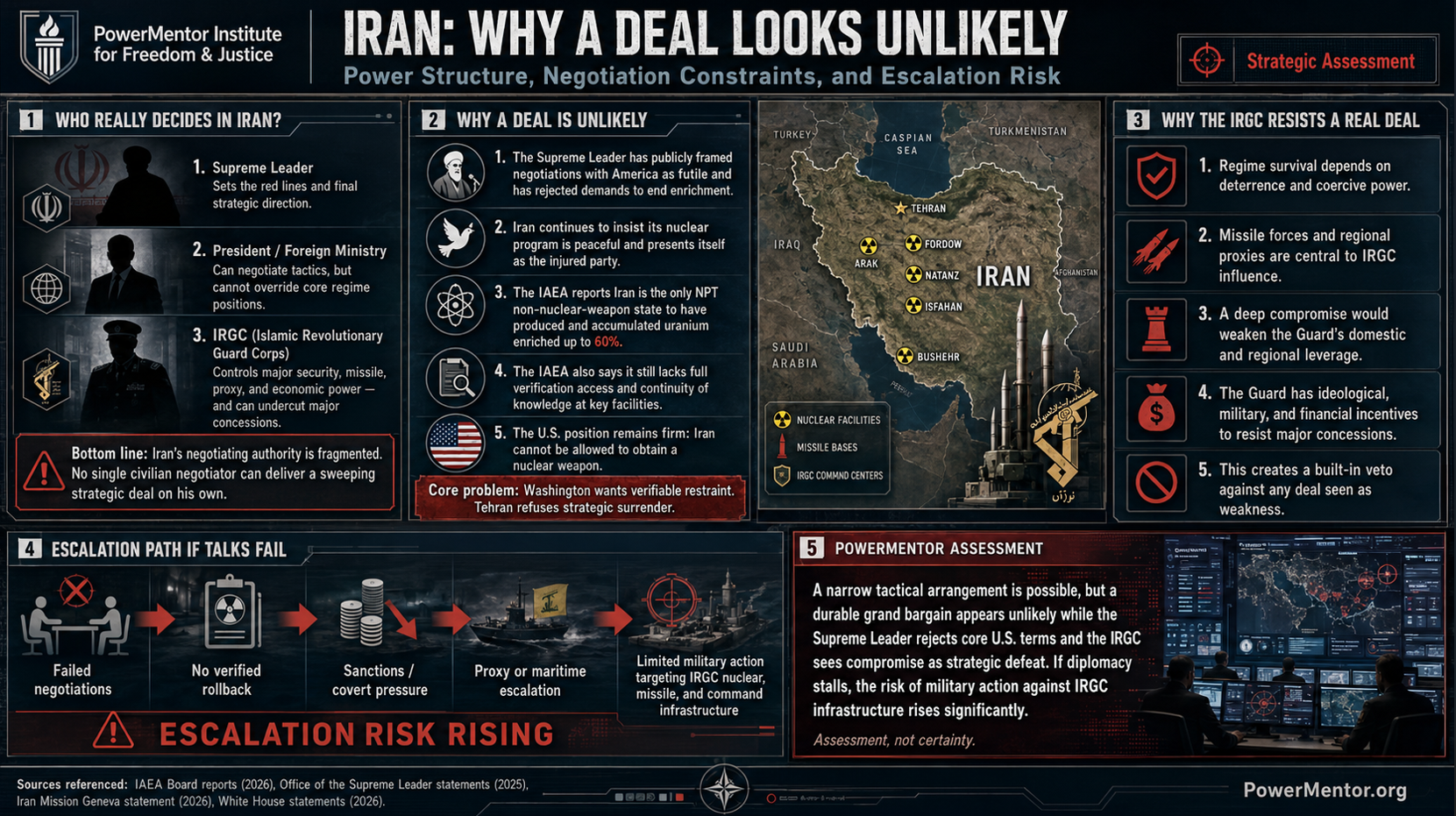
Iran’s Divided Command: Why Negotiations Will Likely Fail—and Military Action Required
Iran’s present crisis cannot be understood through the familiar image of a single Supreme Leader issuing orders through a unified chain of command. The system confronting the United States and its Middle Eastern partners is increasingly fragmented, militarized, and shaped by competing centers of authority.
That fragmentation makes diplomacy exceptionally difficult. It also creates a serious danger: an Iranian official may negotiate an arrangement without possessing the authority—or the institutional power—to ensure that the Islamic Revolutionary Guard Corps complies with it.
This assessment is not based on partisan ideology. It is based on the observable structure of the Iranian regime, its public positions, the International Atomic Energy Agency’s findings, and the rapidly changing balance of power inside Tehran.
Important update: Military action against Iran is no longer merely a future possibility. The United States and Israel have already conducted extensive strikes during the 2025–2026 conflict. The relevant question now is whether failed negotiations will produce another concentrated phase of military action, particularly against surviving IRGC, missile, naval, command-and-control, and nuclear-related infrastructure.
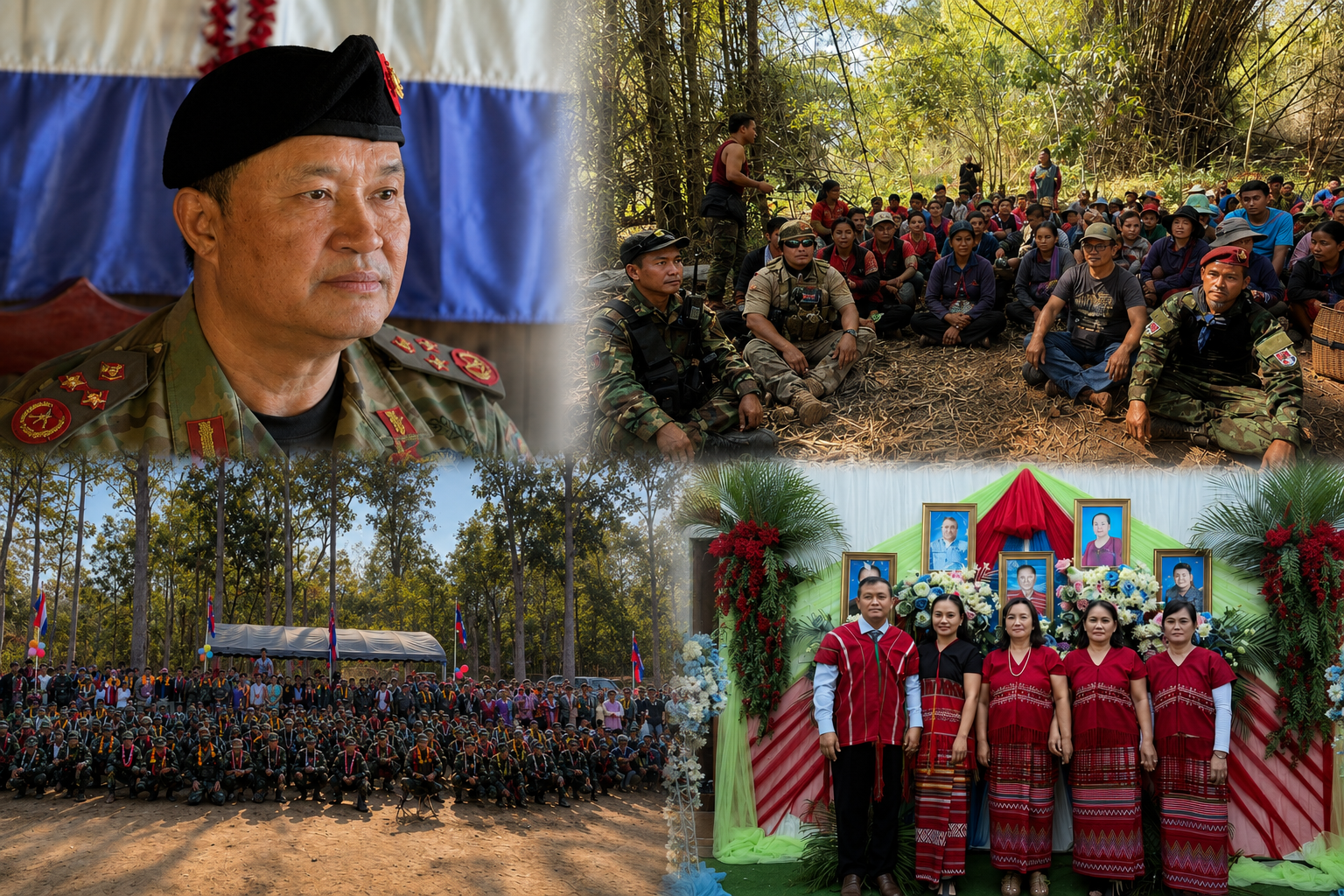
From a General’s Son to a Nation Builder: Kawthoolei President Ner Dah Mya outlines a vision of education, development, and self-governance amid Burma (Myanmar)’s decades-long conflict
For more than 70 years, the Karen people have often been remembered through images of war, resistance, and conflict with the government of Burma (Myanmar). Yet for Ner Dah Mya, President of Kawthoolei and leader of the Kawthoolei Army (KTLA), the future he seeks to build does not begin on the battlefield—it begins with the concept of a nation.
“I do not want to build a Karen army. I want to build a country that Karen people around the world want to return to and help develop.”
This statement captures the essence of his vision.
For Ner Dah, Kawthoolei is not merely a political slogan. It is a vision of a homeland that many Karen people have long hoped for after generations marked by conflict, displacement, and loss.
Kawthoolei: A Land of Goodness
"Kawthoolei" is a term Karen people have used for generations to describe their homeland. According to Ner Dah’s interpretation, it means:
“A land where there are no bad things—only good things.”
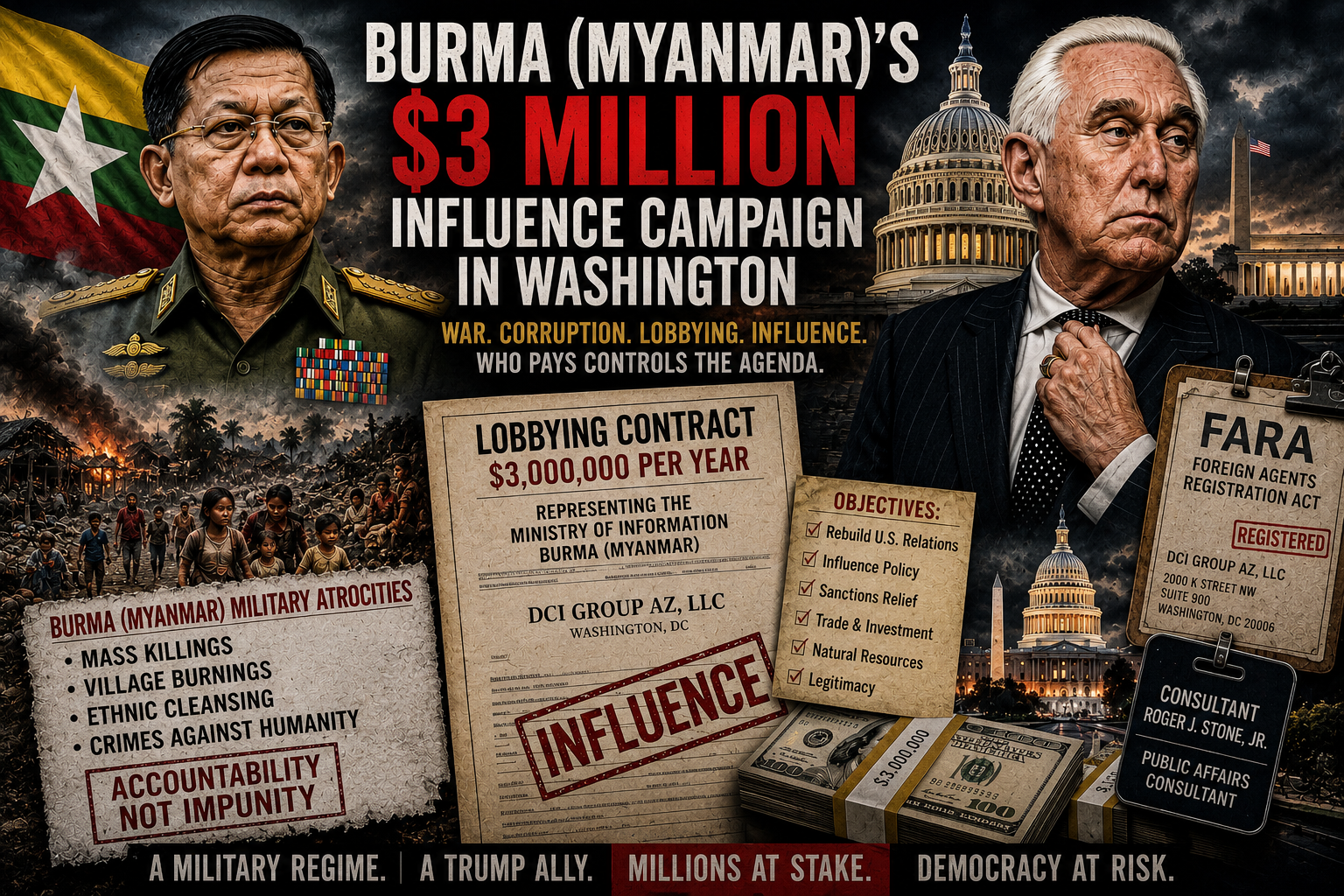
Burma’s (Myanmar) $3 Million Washington Influence Campaign: Roger Stone, Rare Earth Minerals, and the Fight for Burma's Future
While millions of people across Burma (Myanmar) continue to live amid war, displacement, and political repression, the military-backed government in Naypyidaw has launched a multi-million-dollar effort to improve its standing in Washington, D.C.
Public filings under the Foreign Agents Registration Act (FARA) reveal that Burma’s (Myanmar) Ministry of Information entered into a lobbying agreement valued at approximately $3 million annually with DCI Group, a prominent Washington lobbying firm. The stated objectives include rebuilding relations with the United States, discussing trade, humanitarian relief, and natural resources.
Among those reportedly involved in the effort is longtime political operative and Trump ally Roger Stone, who has been reported as receiving approximately $50,000 per month for consulting services associated with the engagement.
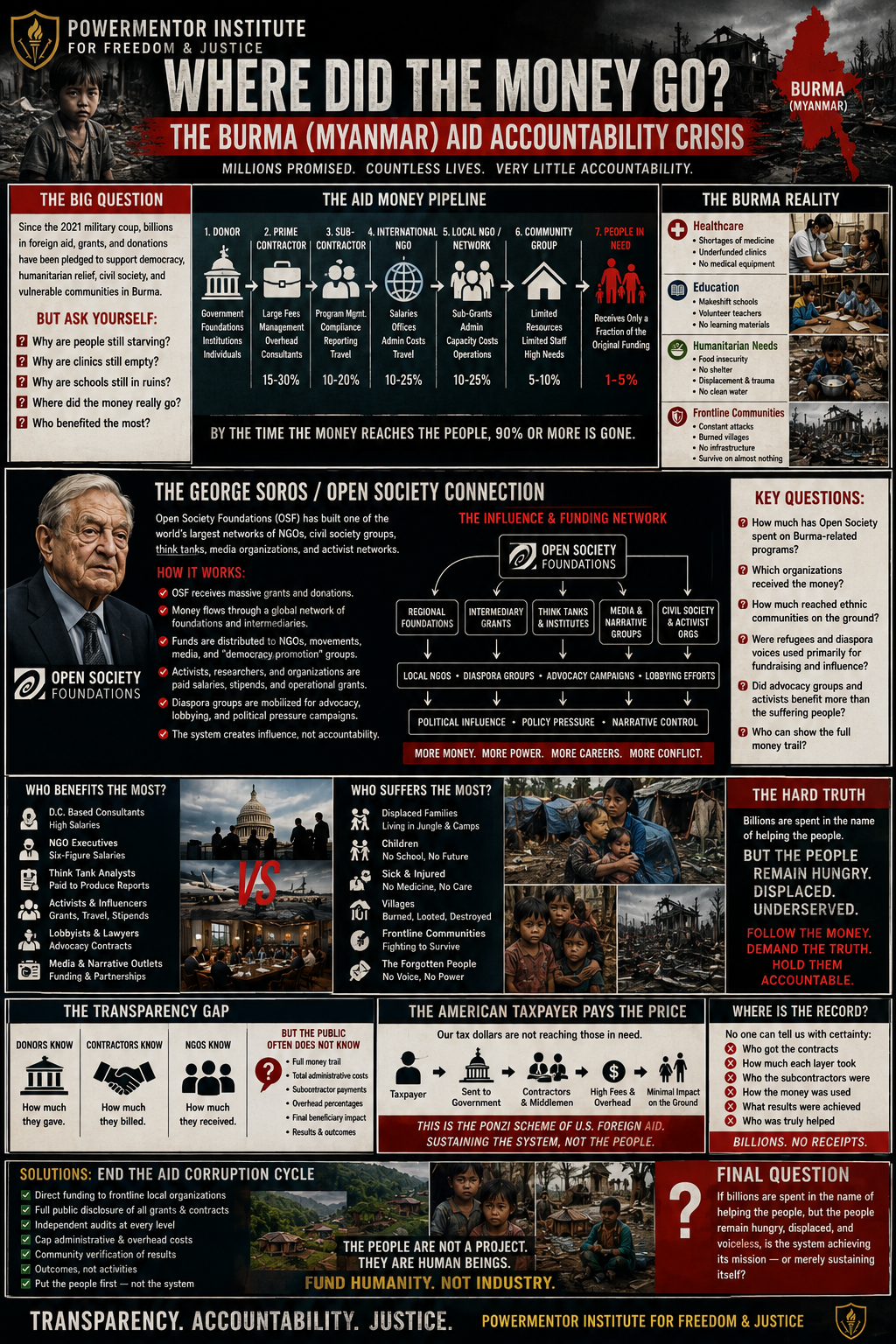
Where Did the Money Go? Burma, Foreign Aid, Open Society, and the Manufactured Humanitarian Economy
For more than seventy years, the people of Burma (Myanmar) have endured one of the longest-running conflicts in modern history. Entire generations have known little except war, displacement, uncertainty, and survival. Villages have been burned. Families have fled across mountains and rivers. Children have grown up in refugee camps. Communities have survived because of their own resilience, not because the world rescued them.
Yet while the suffering continued, something else was growing.
An entire international industry emerged around Burma's crisis.
Governments allocated funding. Foundations announced grants. NGOs expanded operations. Advocacy organizations launched campaigns. Consultants wrote reports. Experts conducted studies. Conferences were held. Panels were convened. New initiatives were announced. More money flowed.
The public was told these efforts were helping the people of Burma.
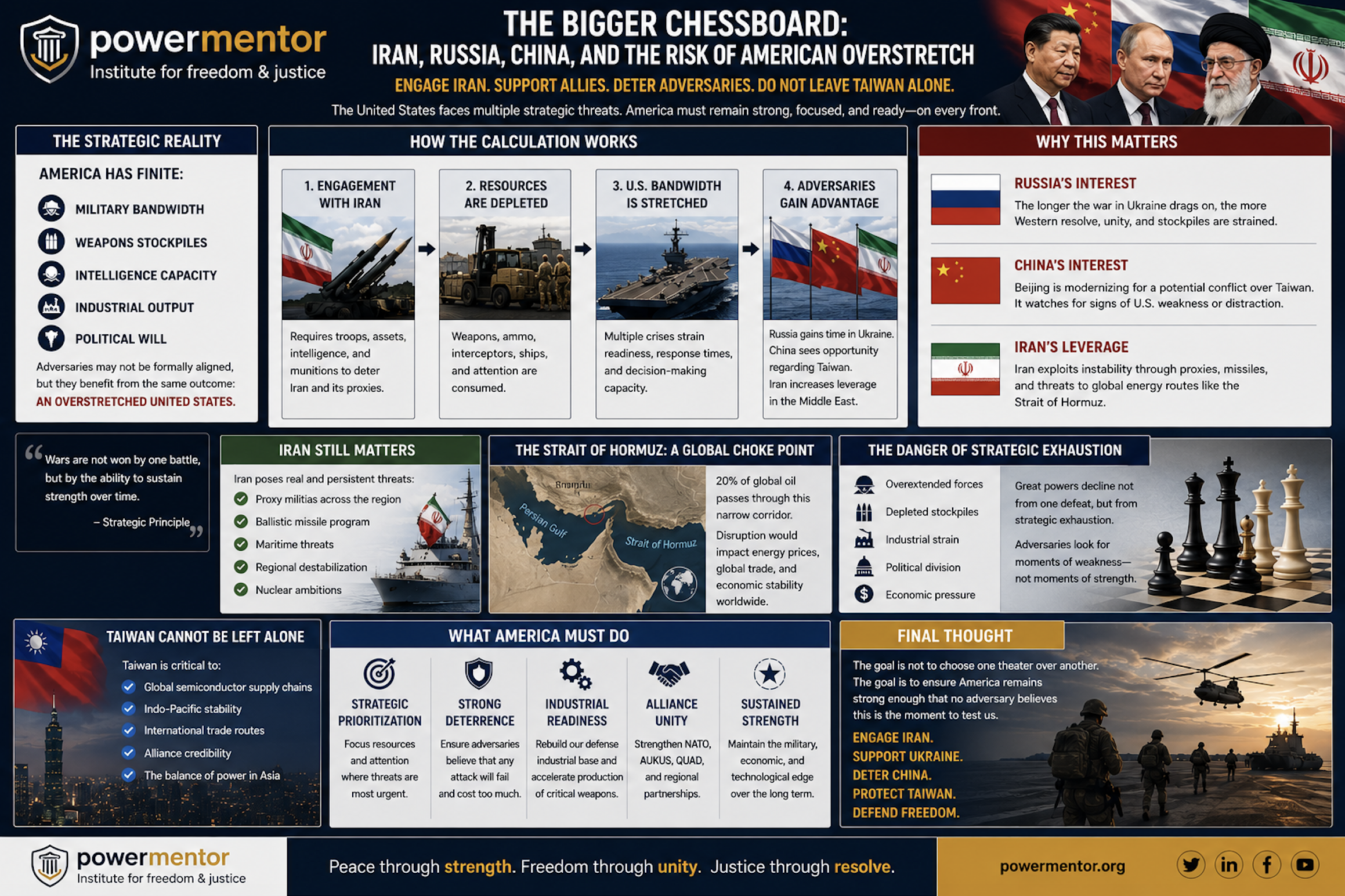
The Bigger Chessboard: Iran, Russia, China, and the Risk of American Overstretch
For many Americans, the conflicts involving Iran, Russia, and China appear to be separate global crises happening at the same time. But from a geopolitical perspective, these conflicts are deeply connected through one central strategic reality:
America has finite military bandwidth, finite political attention, and finite weapons stockpiles.
That does not mean the United States should disengage from Iran or ignore threats in the Middle East. Iran’s actions, proxy networks, missile capabilities, and threats to regional stability absolutely require serious engagement and deterrence.
However, the larger concern is whether America can effectively confront multiple high-level strategic threats simultaneously without creating vulnerabilities elsewhere—especially regarding Taiwan and the Indo-Pacific.
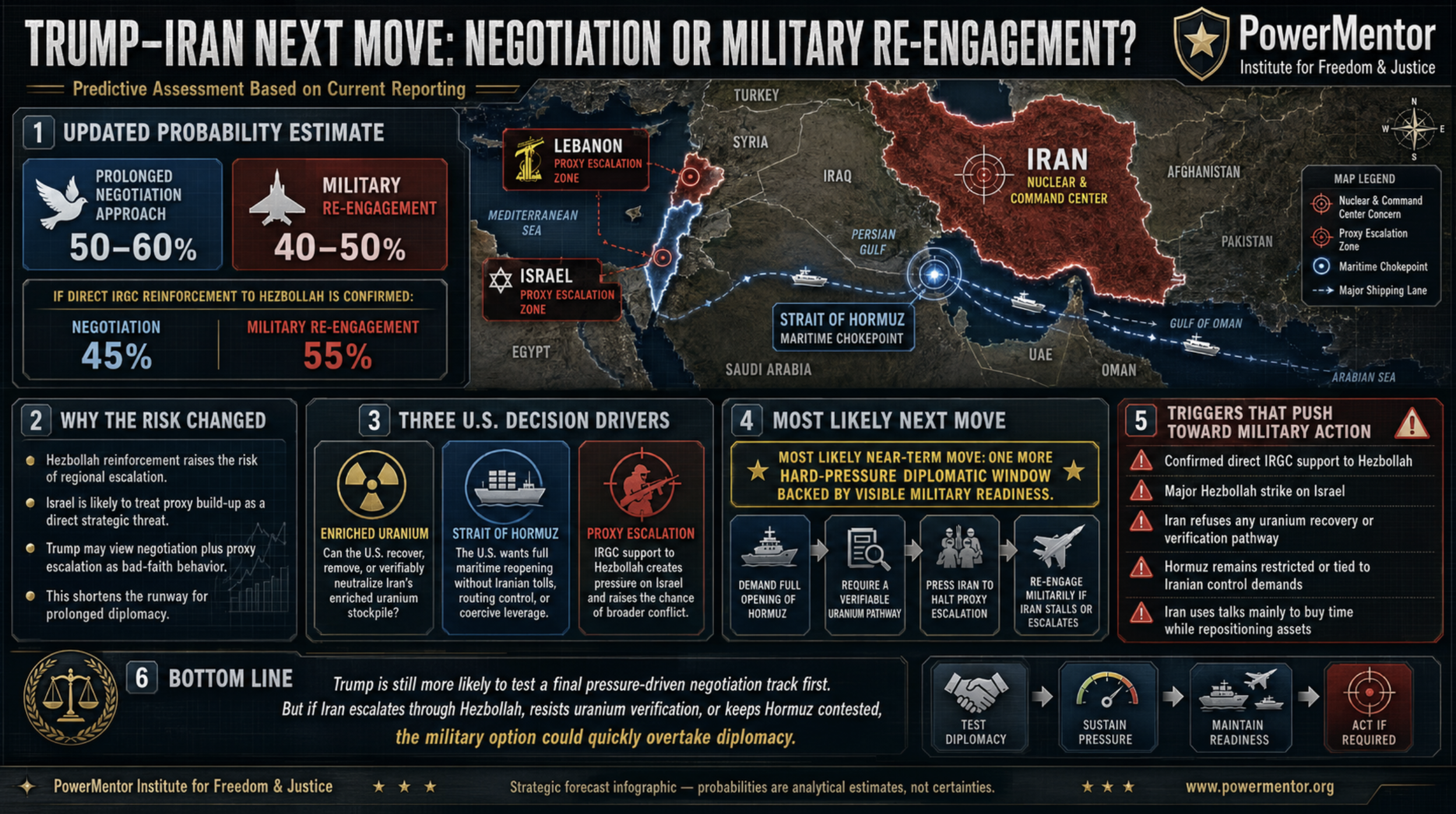
Trump’s Next Move on Iran: Negotiation, Military Pressure, or Re-Engagement?
A Strategic Forecast on the Strait of Hormuz, Enriched Uranium, and Hezbollah Escalation
The current Iran situation is not simply a diplomatic dispute. It is a three-dimensional strategic crisis involving nuclear material, maritime control, and proxy warfare. President Trump’s next move will likely be shaped by whether Iran appears serious about negotiation or whether Tehran is using talks to buy time while strengthening its military and proxy position.
At this stage, the most likely path is still a hard-pressure negotiation track, but the likelihood of renewed military action is rising. The key reason is that Iran may be signaling diplomacy on one front while preparing escalation on another.
The Current Situation
Recent reporting indicates that the United States and Iran may be moving toward a temporary understanding or memorandum of understanding that could extend talks and reduce immediate pressure for another military confrontation. Mediators from Pakistan and Qatar are reportedly involved in efforts to extend a ceasefire and reopen the Strait of Hormuz, one of the world’s most important maritime chokepoints.
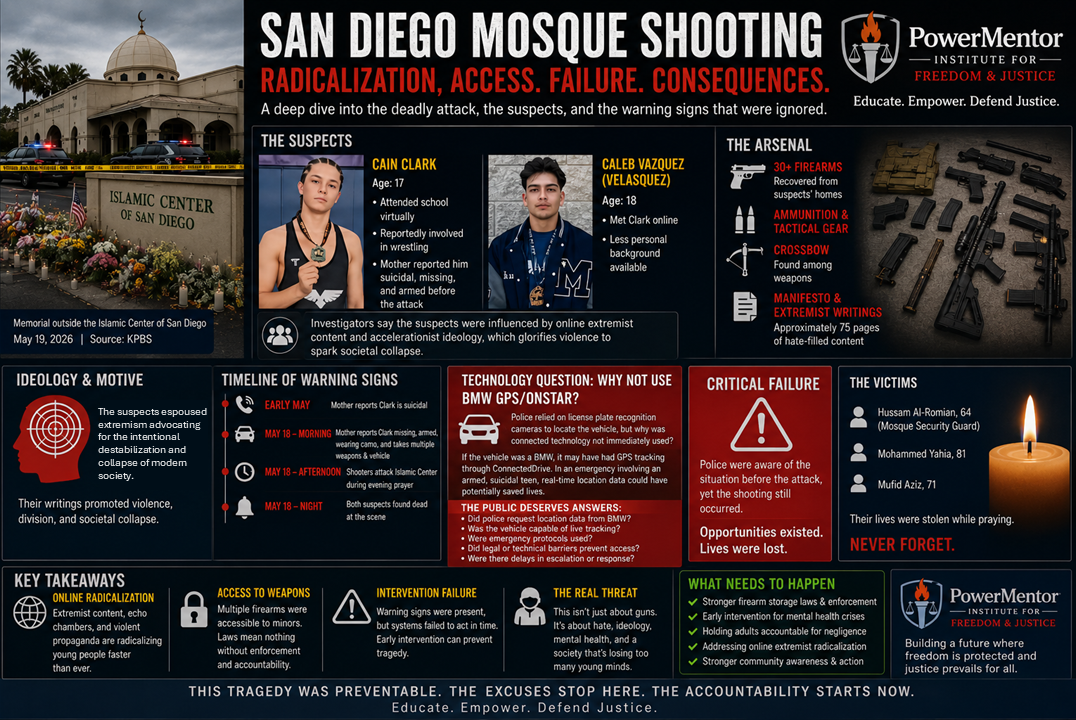
San Diego Mosque Shooting: Radicalization, Weapon Access, Technological Failure, and the Collapse of Early Intervention
The San Diego mosque shooting exposes far more than a single act of violence — it reveals the dangerous convergence of online radicalization, extremist ideology, weapon accessibility, and systemic failures to intervene before tragedy occurred. The article examines how two young suspects allegedly became immersed in accelerationist extremist culture, gained access to a large arsenal of weapons, and carried out a deadly attack despite multiple warning signs being reported beforehand. It also raises serious questions about whether available technologies, including connected-vehicle GPS tracking, were fully leveraged during the emergency response.
Ultimately, this tragedy highlights a growing societal crisis where vulnerable youth are increasingly shaped by digital extremism, isolation, and ideological propaganda rather than community, mentorship, and accountability. The article calls for honest conversations about parental responsibility, firearm security, online radicalization, mental health intervention, and the urgent need for stronger systems capable of identifying and stopping violent extremism before lives are lost.
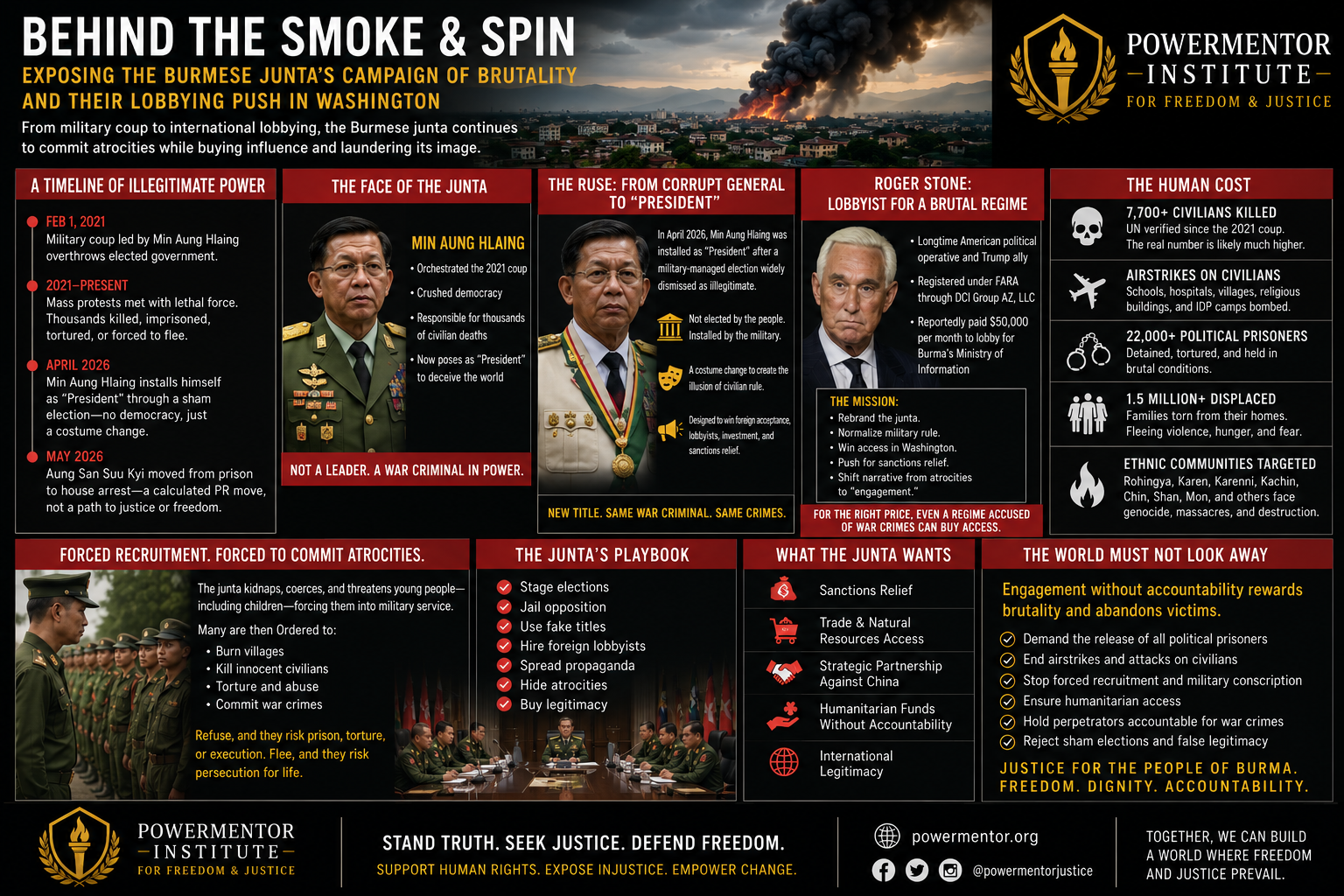
Roger Stone, Min Aung Hlaing, and the Junta’s Attempt to Rebrand Brutality in Burma (Myanmar)
The reported hiring of Roger Stone to lobby on behalf of Burma’s military regime is not merely a public-relations controversy. It represents a broader strategy by the junta to rehabilitate its international image, weaken sanctions pressure, regain influence in Washington, and normalize relations with foreign governments while continuing widespread repression inside Burma (Myanmar).
Following the February 2021 military coup, Burma descended into widespread armed conflict, political repression, forced displacement, and systematic human-rights abuses. While the military regime attempts to portray itself as a stabilizing authority, international organizations, human-rights groups, and United Nations officials continue documenting war crimes, crimes against humanity, arbitrary detention, airstrikes on civilians, and forced conscription.
Against this backdrop, reports that Roger Stone and DCI Group are connected to lobbying efforts on behalf of the junta raise serious ethical, geopolitical, and humanitarian concerns.
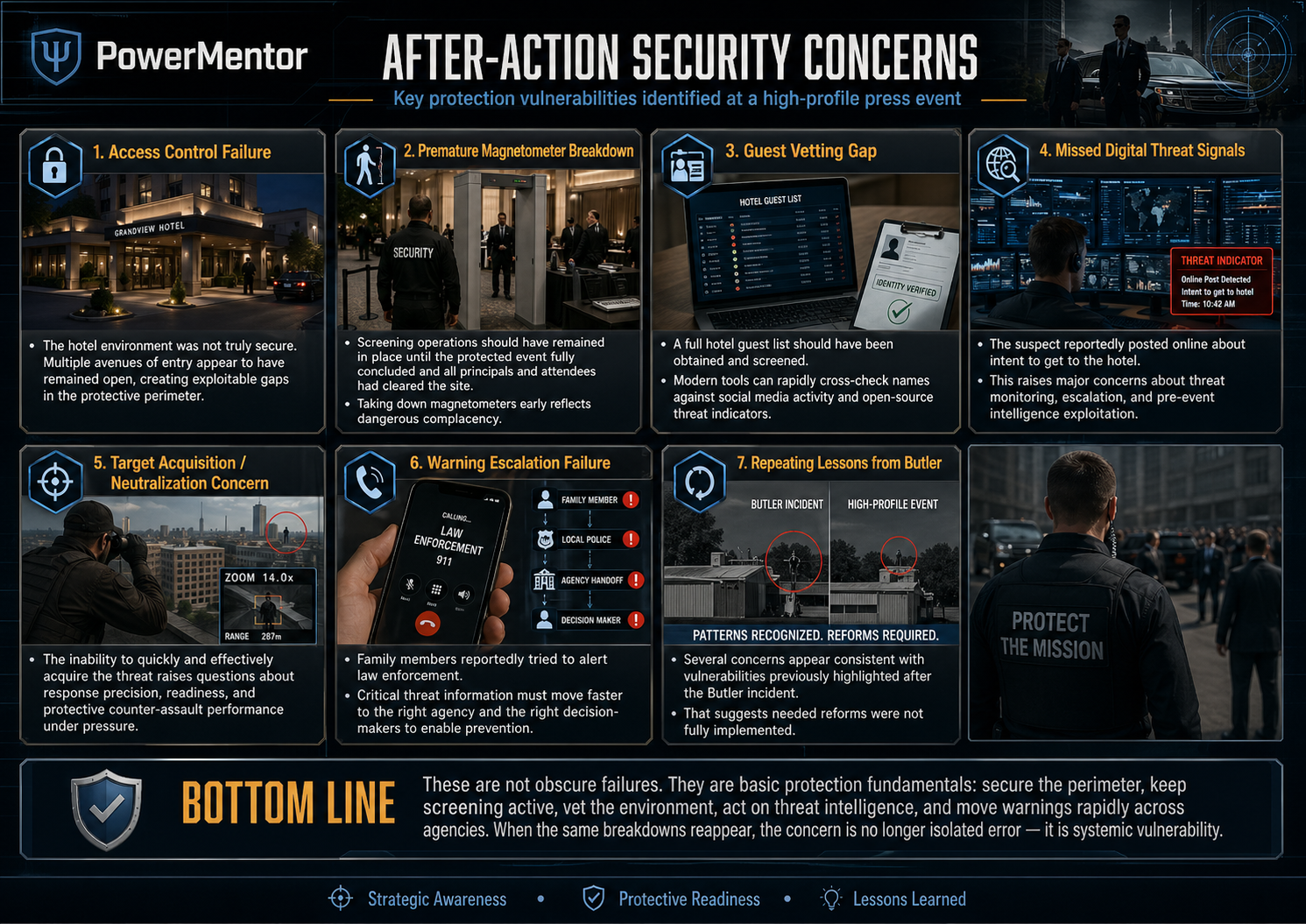
After-Action Security Concerns: When Protection Failures Become Systemic Vulnerabilities
High-profile public events require more than visible security. They require layered protection, disciplined procedures, real-time intelligence sharing, and a culture that refuses to become complacent. When any one of those systems fails, the risk increases. When several fail at the same time, the concern is no longer isolated error — it becomes systemic vulnerability.
The recent White House Press Dinner event exposed several serious after-action concerns that deserve close review. These concerns are not complicated or obscure. They are basic protection fundamentals that should be expected at any event involving national leaders, cabinet officials, elected officials, media, and other public figures.
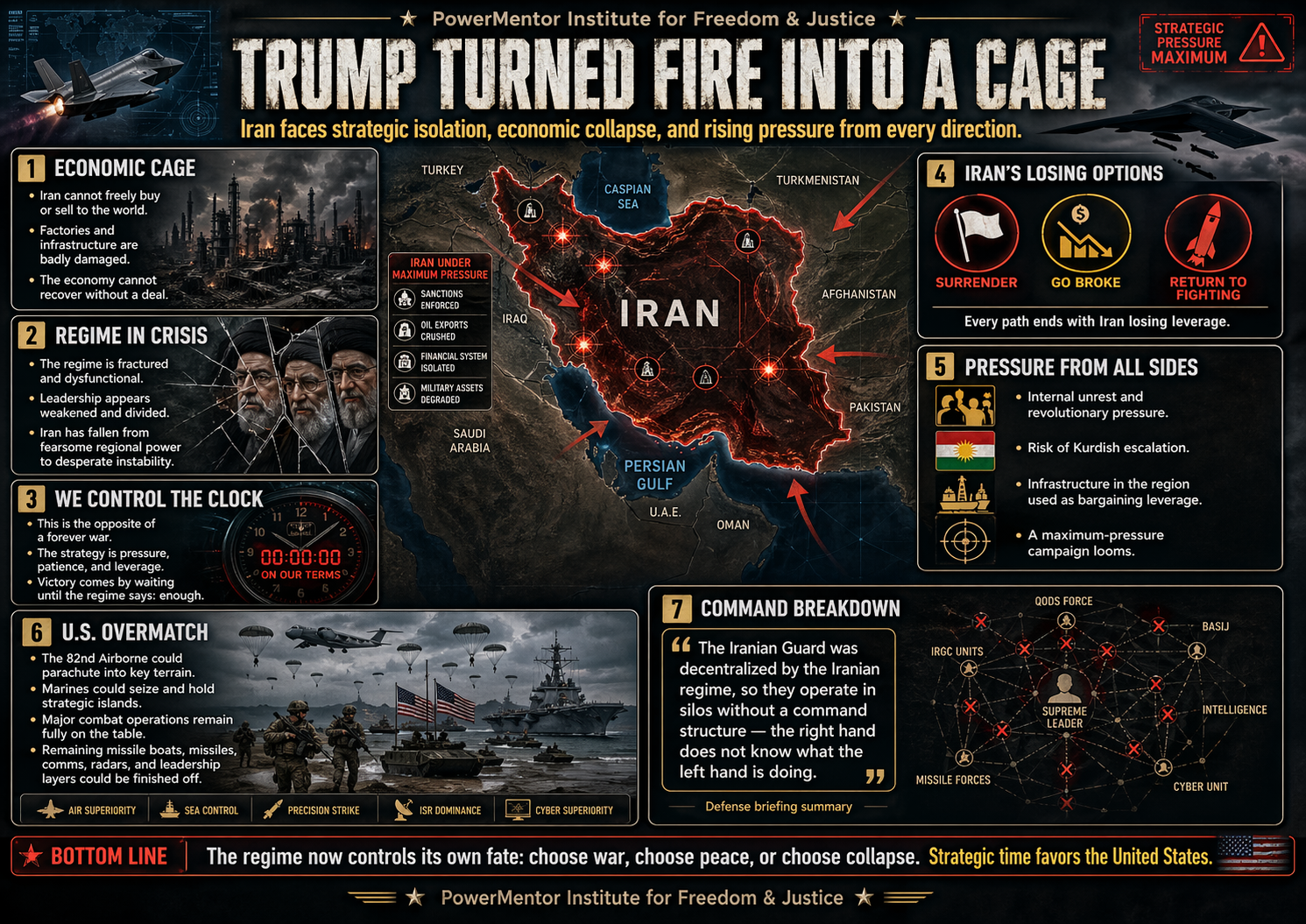
Trump Turned Fire Into a Cage: Why Iran’s Regime Is Running Out of Room
The old model of war was simple and costly: invade, occupy, stay, bleed, spend, and hope the enemy eventually breaks. That was the logic of the forever war. It dragged America into long fights where victory was hard to define and even harder to sustain.
The emerging pressure strategy against Iran is different. It is not built on chasing the regime through every street or holding every city. It is built on isolation, leverage, economic suffocation, military overmatch, and time. The point is not to fight forever. The point is to make the regime run out of good options.
The Trump administration formally restored a “maximum pressure” policy against Iran in February 2025, stating that the goal was to deny Iran a path to nuclear weapons and counter its influence abroad. Since then, pressure on Iran’s financial networks, oil trade, and weapons-linked entities has continued to expand, including new sanctions tied to Iran’s arms industry and oil-smuggling networks.
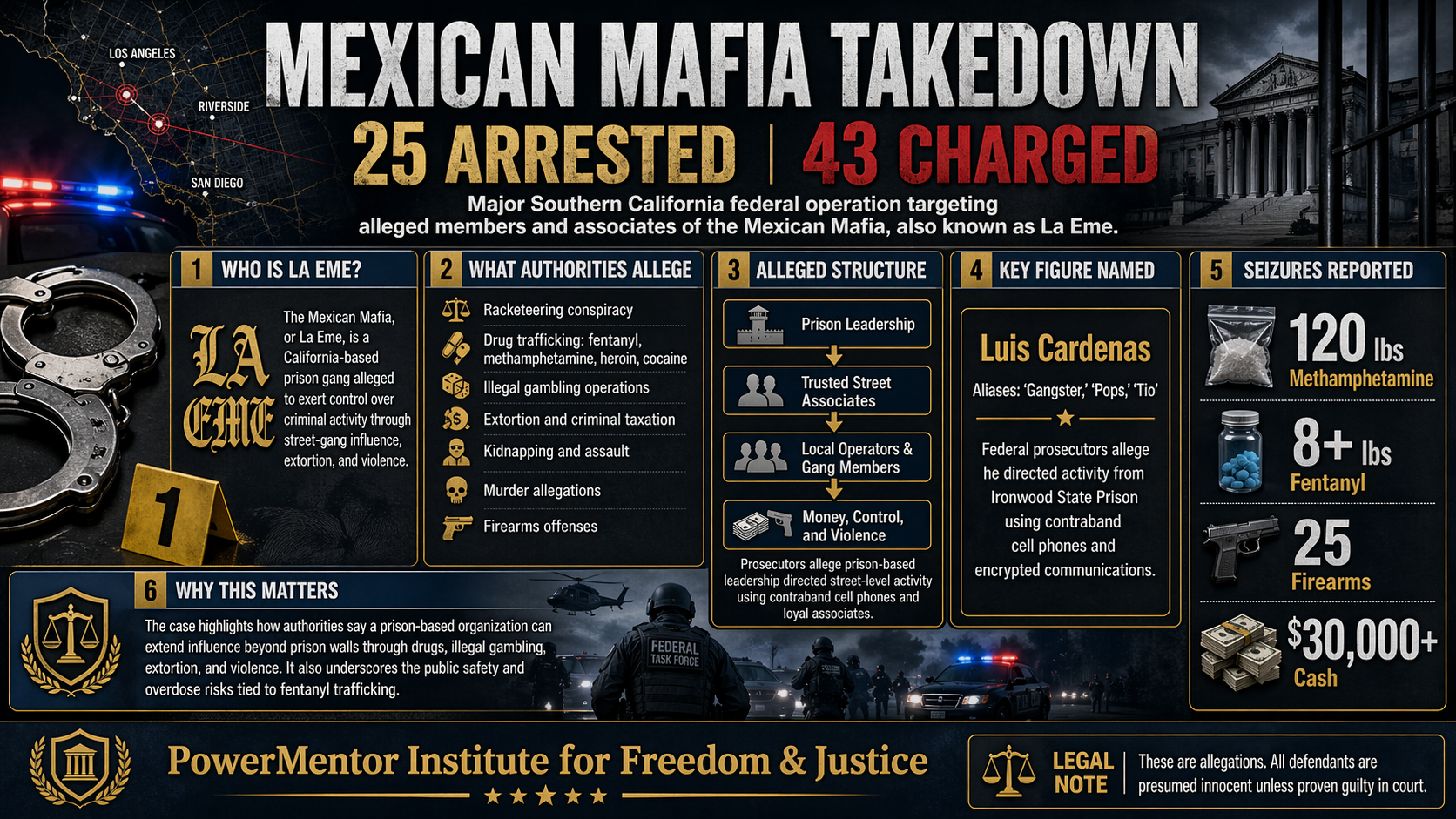
Federal Takedown Targets Mexican Mafia Network Across Southern California
Federal authorities announced a major Southern California operation targeting alleged members and associates of the Mexican Mafia, also known as La Eme. The case resulted in 25 arrests as part of a larger federal prosecution involving 43 charged defendants across three indictments. The operation was reported by San Diego media and is part of a broader Southern California enforcement action connected to alleged racketeering, drug trafficking, illegal gambling, extortion, kidnapping, murder, and firearms offenses.
The Main Point
This was not a small street-level gang sweep. Federal prosecutors describe the case as an organized criminal enterprise allegedly directed by Mexican Mafia leadership from inside prison and carried out by associates on the street.