

The PowerMentor Institute for Freedom and Justice explores leadership, freedom, and democracy issues with a commitment to those seeking freedom and self-determination, empowering those in regions with totalitarian control. We conduct thorough research using AI and other tools to provide the most accurate and insightful information available.
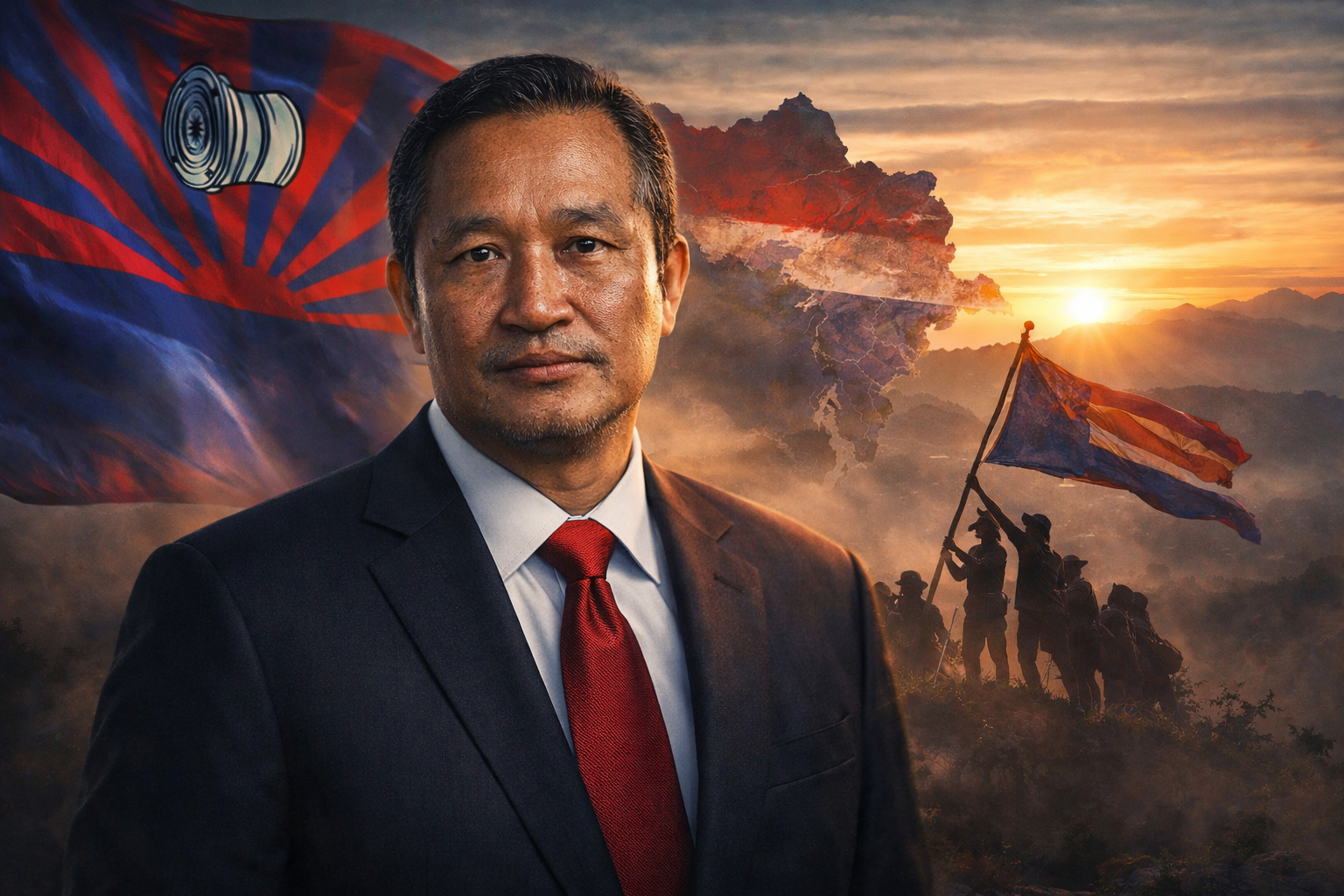
Kaw Thoo Lei’s Declaration of Independence: A Just Break From a Broken Union—and a Line in the Sand Against Corruption
In the first week of January 2026, Gen. Saw Nerdah Mya announced what many Karen have long believed was inevitable: Kaw Thoo Lei is declaring independence and standing up a new political structure—the Republic of Kawthoolei—with a Government of Kawthoolei with Nerdah Mya named as president. Khaosod English nationthailand
It is the clearest statement yet that Karen self-determination will not be negotiated forever while power brokers enrich themselves, the military manipulates peace talks, and the borderlands are poisoned by scam economies.
What was announced
Reporting in Thai and regional outlets describes a formal declaration and a provisional government framework—what supporters are treating as the political vehicle for sovereignty. Khaosod English nationthailand
Khaosod English reports Nerdah Mya grounded the declaration in ancestral land claims and international human-rights conventions, arguing the Burma (Myanmar) has collapsed and that the Karen are therefore establishing an independent state. Khaosod English
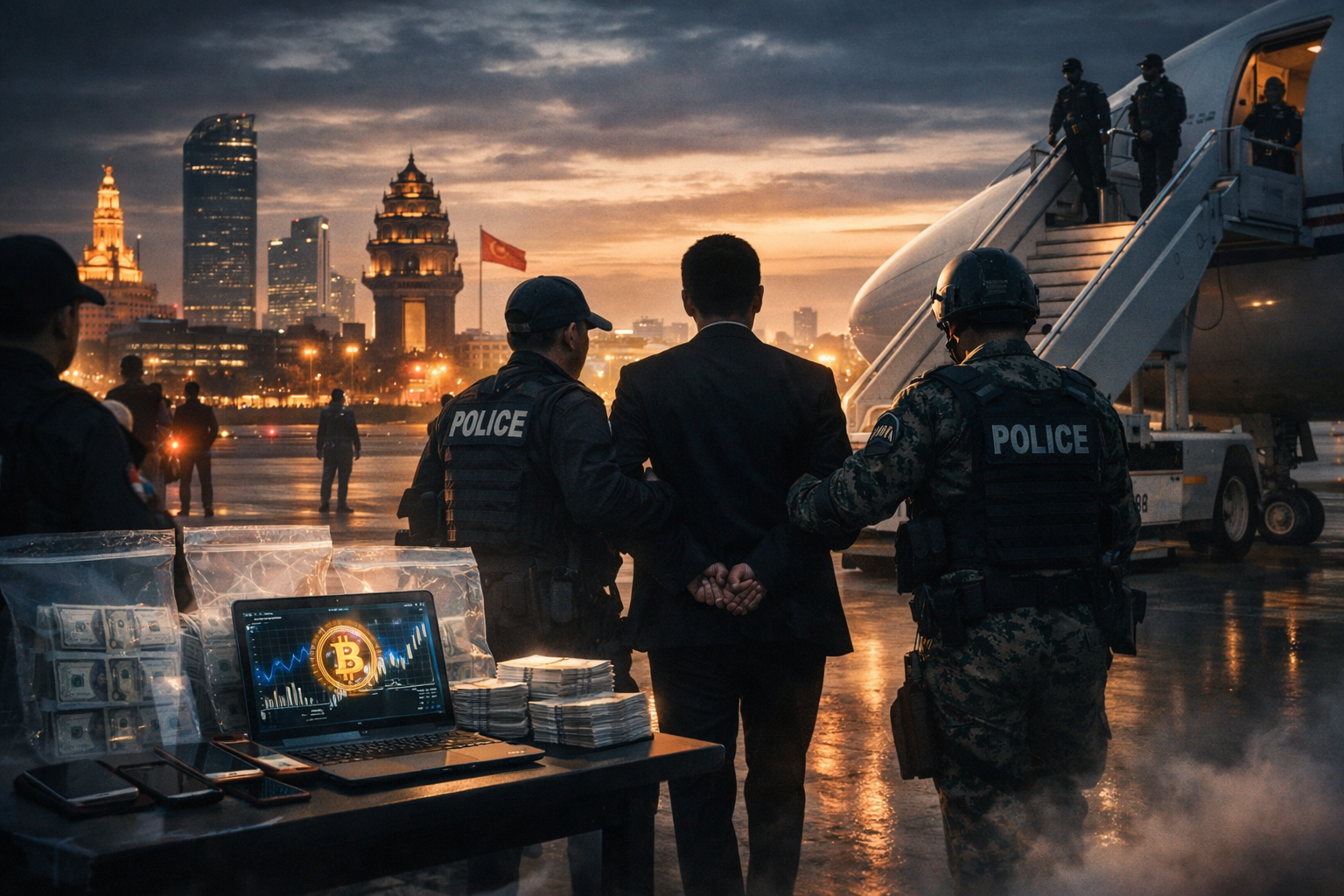
Cambodia Extradites Prince Group Founder Chen Zhi to China, Escalating a Global Crackdown on Scam-Compound Networks
Cambodia says it has arrested three Chinese nationals — Chen Zhi (founder/chairman of Cambodia’s Prince Group), Xu Ji Liang, and Shao Ji Hui — and extradited them to China at Beijing’s request as part of cooperation against transnational crime. Cambodia’s Interior Ministry also said Chen’s Cambodian citizenship had been revoked. Reuters
The announcement is significant because Chen Zhi has been at the center of a fast-growing international focus on Southeast Asia–based online fraud rings — networks that investigators say generate billions of dollars by running industrial-scale scams, often out of guarded compounds where trafficked workers are forced to work. Reuters
Who is Chen Zhi and what is Prince Group?
Chen Zhi is known publicly as the head of Prince Holding Group / Prince Group, a large Cambodia-based business conglomerate with interests in areas like real estate and finance. Department of Justice
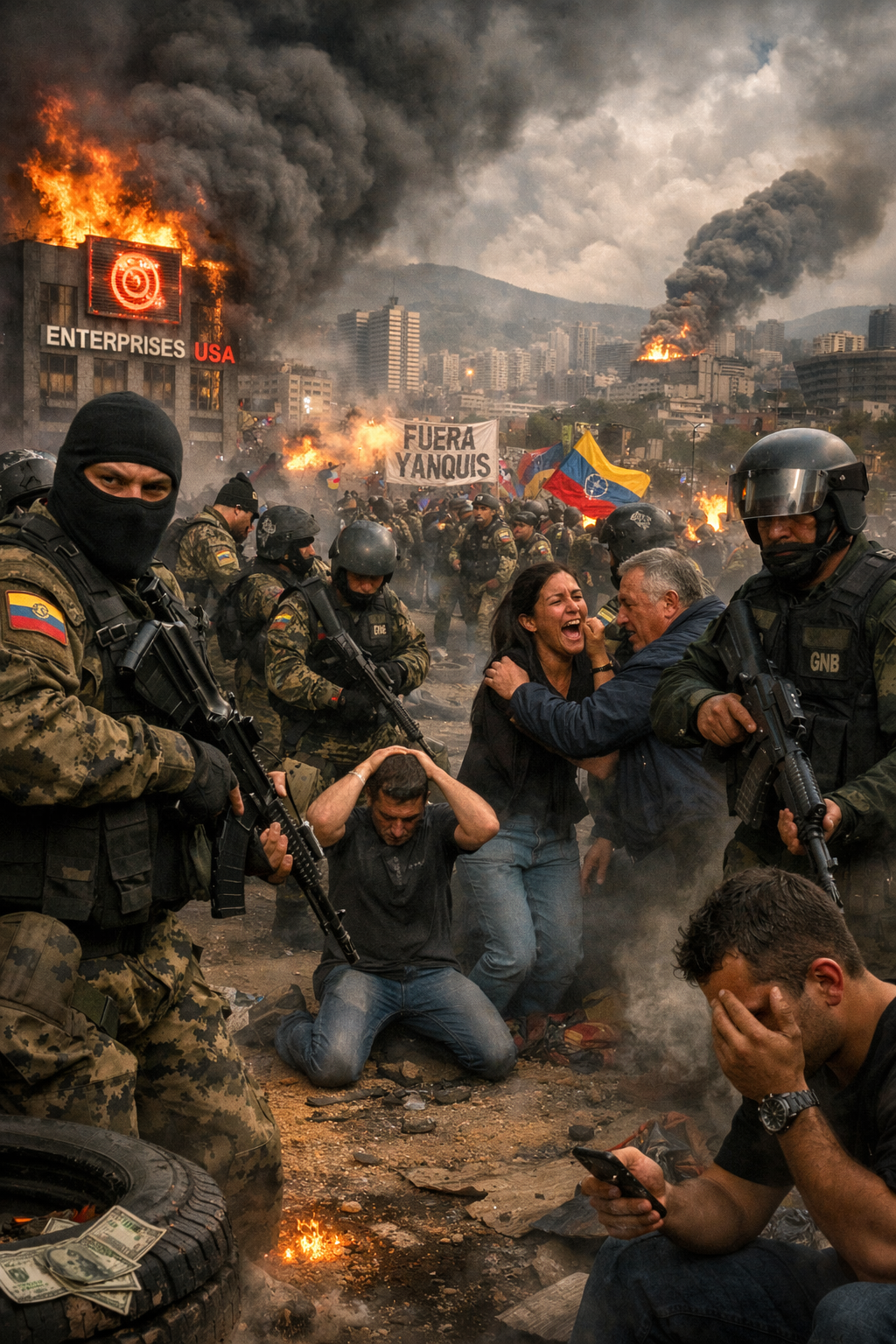
Venezuela’s Transition Trap: Why an Opposition Takeover Could Turn Into a National Meltdown
A reported CIA assessment, described by The Wall Street Journal, warns that Venezuela’s opposition would face major difficulty running a temporary government—and that top figures already inside the regime’s governing structure are “best placed” to lead in the immediate aftermath of Maduro’s removal. Wall Street Journal
That assessment hits as Venezuela enters a high-risk phase: the old system is still armed, still organized, and now openly framing events as “imperial aggression,” while the opposition is being pushed to claim authority without controlling the machinery of the state.
The core problem: you can’t govern what you don’t control
Even if the opposition is recognized internationally or has popular momentum, governing requires instant command of security forces, ministries, courts, ports, fuel distribution, and the national payroll. The intelligence warning—opposition struggles, insiders best positioned—reflects a hard reality: the regime’s institutional spine doesn’t disappear just because Maduro is gone. Wall Street Journal
Retaliation is already underway against anyone seen as pro-U.S.
This is the most explosive accelerant—and it directly targets “anyone supporting U.S. interests.”
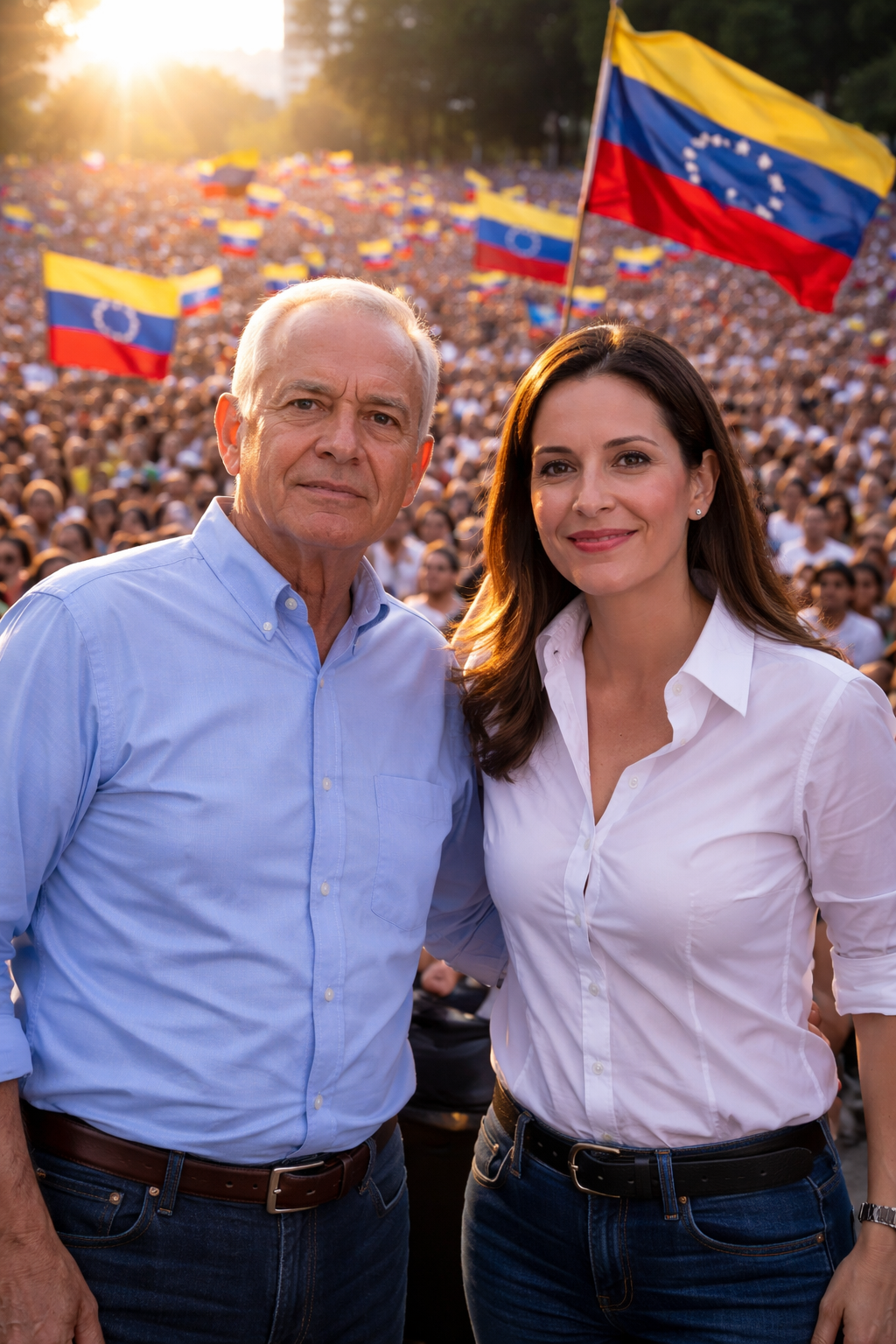
Venezuela’s Transition Must Belong to the Voters—Not Maduro’s Inner Circle
Why Delcy Rodríguez is the wrong choice, and why Edmundo González Urrutia—with María Corina Machado—is the better path
Venezuela cannot claim a democratic transition while placing Delcy Rodríguez at the controls. Rodríguez is not a neutral caretaker. She is a core architect of the Maduro-era state, elevated by the same power centers—military and Supreme Court—that protected the regime. AP News
AP reporting describes Rodríguez as a longtime Maduro ally who governed much of Venezuela’s economy and intelligence services, with strong ties to the regime’s elite networks. AP News Reuters similarly frames her as one of the country’s most powerful socialist-era operators, holding multiple top posts across government. Reuters
The credibility test: 2024’s election mandate points away from Rodríguez
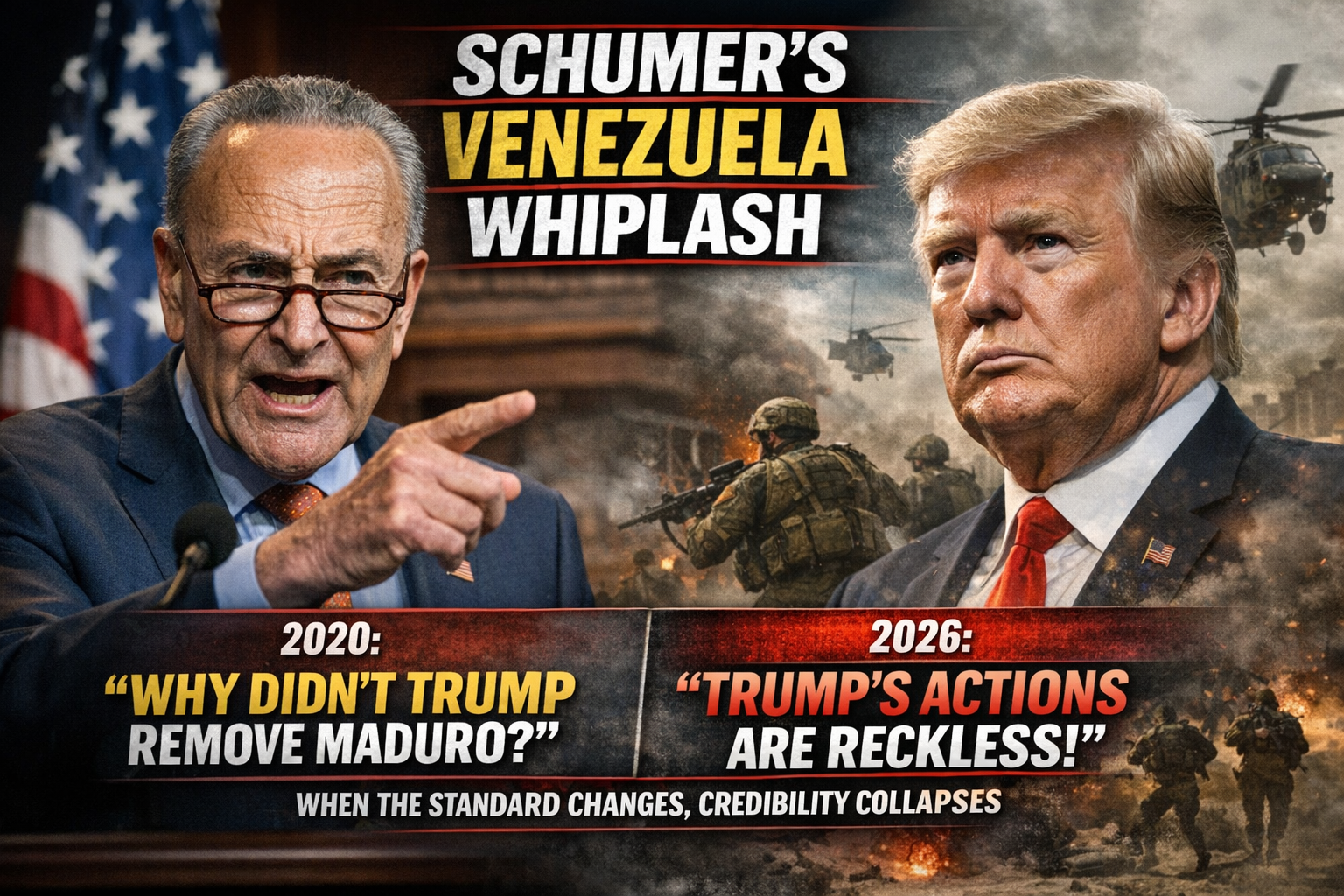
Schumer’s Venezuela Whiplash: When the Standard Changes, Credibility Collapses
Washington politics has a tell: when a leader’s “principles” shift depending on whether the outcome helps or hurts the other side, the public isn’t watching policy anymore—it’s watching positioning. Senator Chuck Schumer’s record on Venezuela is a case study in that credibility problem.
In February 2020, Schumer mocked President Trump’s Venezuela approach as a failure because it did not remove Nicolás Maduro. In January 2026, Schumer condemned Trump’s Venezuela military action as reckless and unlawful because it did escalate—without Congress and without a plan. Put together, the message to Americans becomes: Trump is wrong when he doesn’t act, and he’s wrong when he acts. That kind of “heads I win, tails you lose” posture is exactly how public trust gets shredded.
The 2020 attack: “It flopped… he hasn’t brought an end to the Maduro regime.”
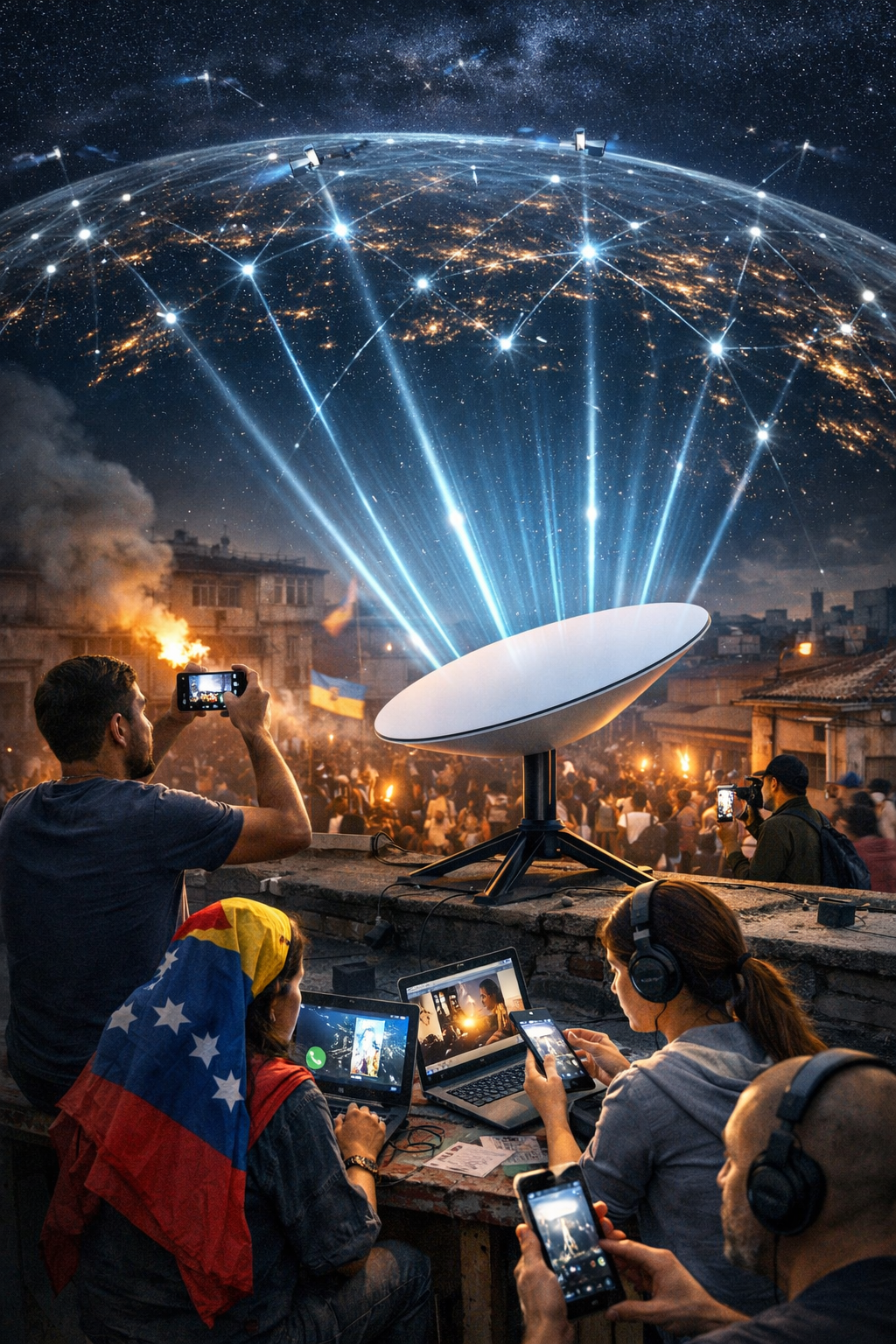
Elon Musk’s “Freedom Switch”: How Starlink Turns the Internet Back On When Regimes Try to Turn People Off
Authoritarians don’t start by debating you. They start by disconnecting you.
When protests swell, when journalists publish, when a people try to speak with one voice, oppressive governments reach for the same lever again and again: control the communications layer. Slow the network. Block platforms. Cut the power. Jam signals. Arrest anyone who posts the truth. Freedom House has tracked this trend for years—and reports that global internet freedom has declined for 15 consecutive years, driven by censorship, surveillance, and repression. Freedom House
That’s the battlefield Elon Musk walked onto with Starlink—whether the world was ready for it or not.
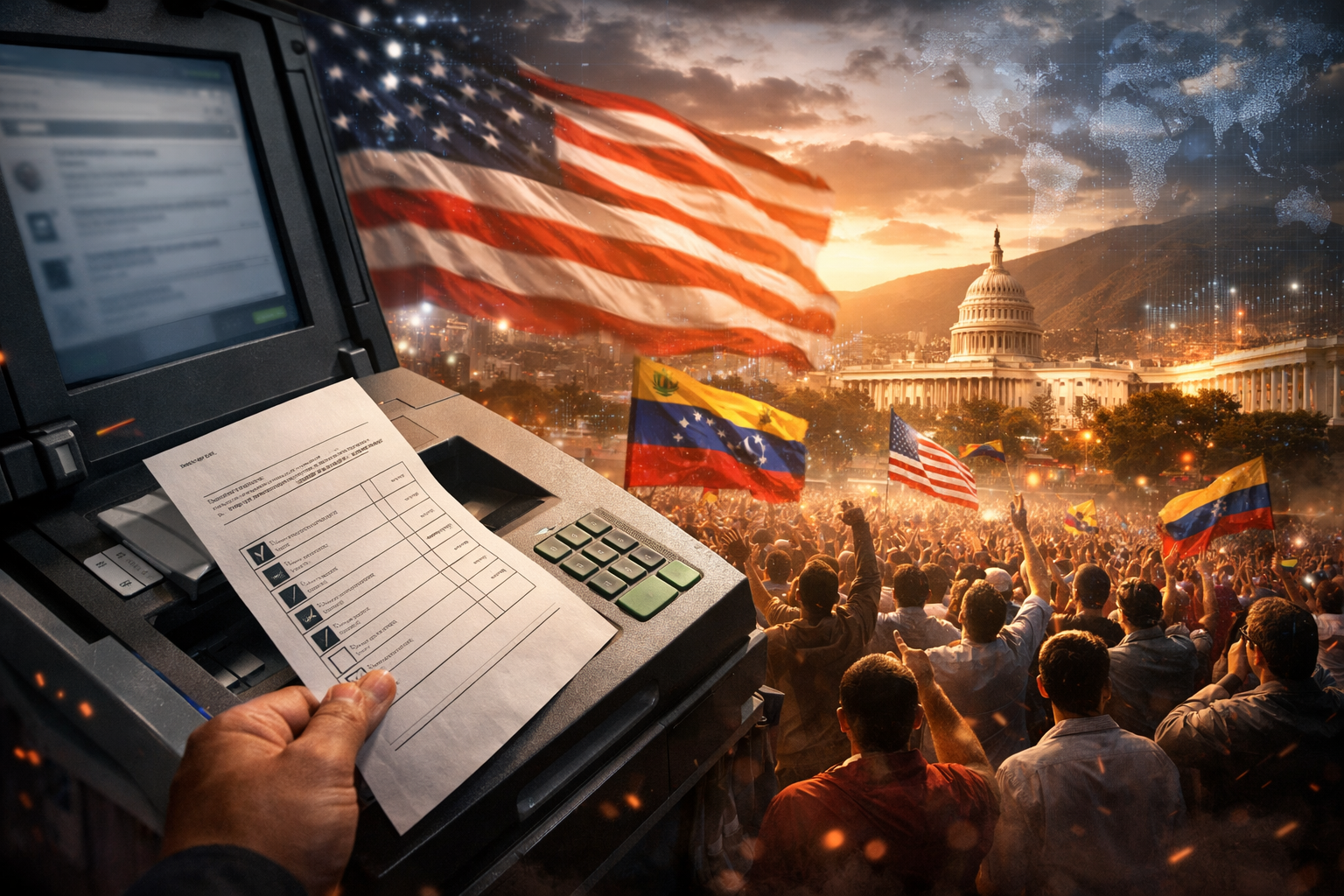
Venezuela, Voting Machines, and the Battle for the Republic: The Story They Say You Were Never Meant to Connect
Venezuela isn’t being discussed as just another troubled nation. It’s being framed as something far bigger: an operational hub—a place where power, influence, and systems of control were allegedly refined, exported, and used to shape outcomes far beyond its borders.
The argument is simple: if you want to understand what’s happening now, you have to rewind.
The Warning Broadcast on CNN That Still Echoes Today
In 2006, CNN’s Lou Dobbs Tonight ran reports focused on something that struck at the heart of American sovereignty: who controls the tools that run elections.
Dobbs opened one segment with a blunt claim that the federal government had failed to address a threat to election integrity:
“New evidence that the federal government has ignored a threat to the integrity of our elections.” CNN Transcripts
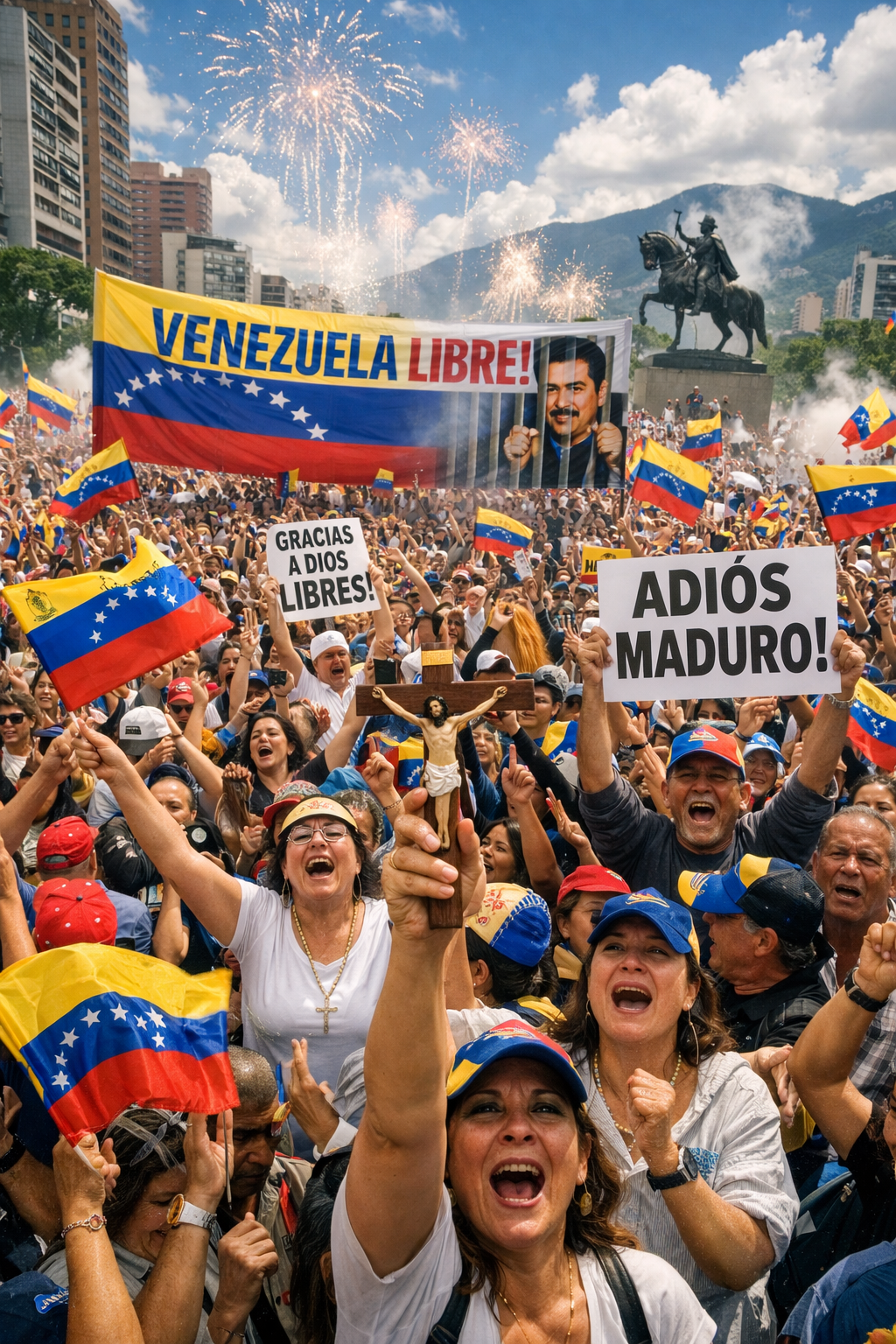
Venezuela’s “Freedom Sunday”: When a Nation’s Faithful Started Breathing Again After Maduro’s Fall
On January 3–4, 2026, the images that raced across phones and TV screens felt unreal to millions of Venezuelans: Nicolás Maduro removed from power and flown to the United States, now detained in New York as prosecutors move forward with criminal cases. AP News ABC News
And almost immediately—wherever Venezuelans could safely gather—celebration broke out.
The sound of relief: flags, tears, and the word “liberty”
In South Florida—especially Doral, a hub for Venezuelans who fled persecution and collapse—crowds wrapped themselves in Venezuelan flags, chanted for freedom, and treated the news like the end of a long night. AP News AP News
Outside the Metropolitan Detention Center (MDC) in Brooklyn, where Maduro is reportedly being held, Venezuelan expatriates gathered again—this time with a different kind of emotion: grief for what was lost, gratitude for survival, and a fierce hope that Venezuela might finally be returned to its people. AP News
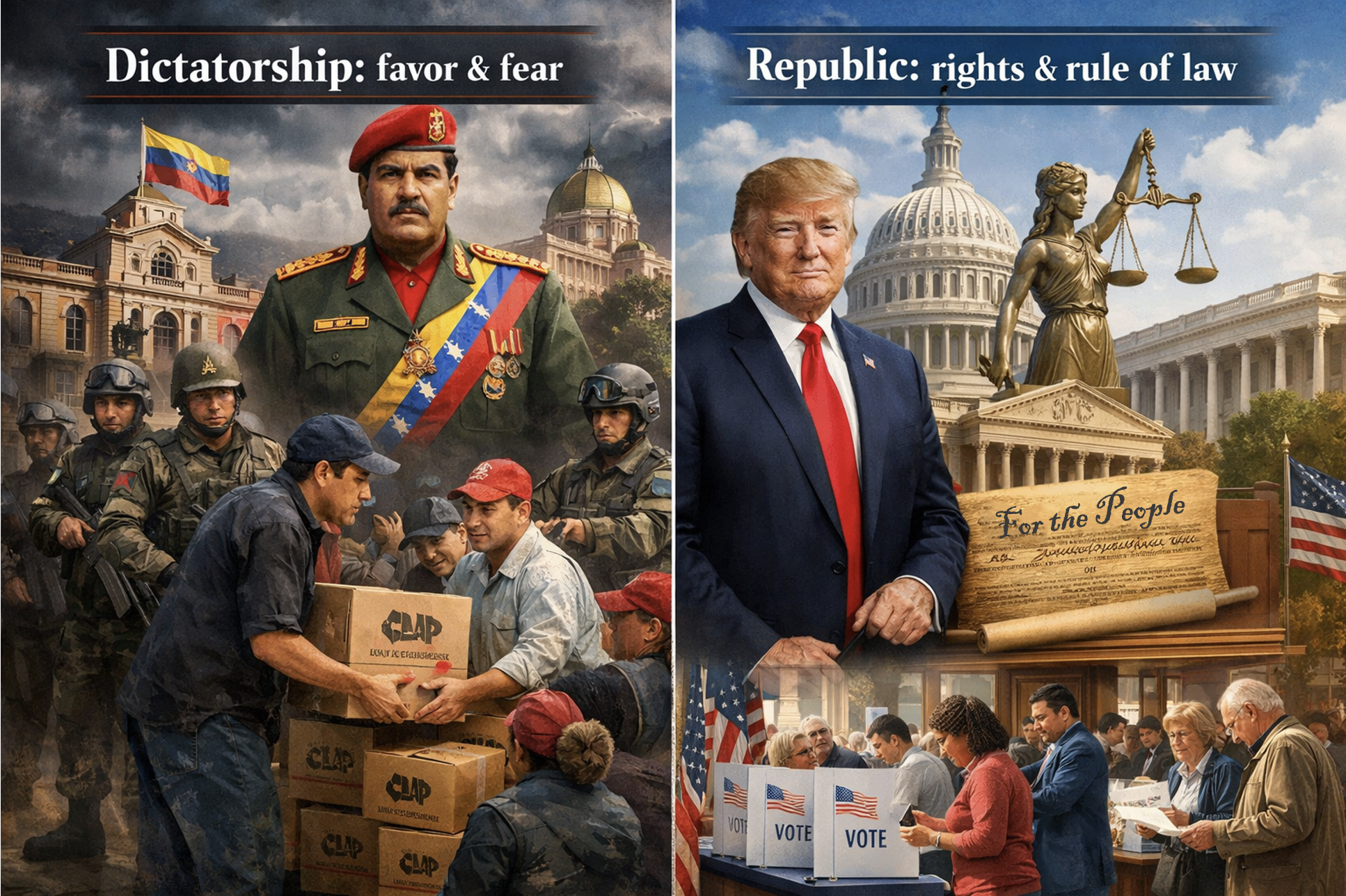
The Dictator’s Playbook: Buy Loyalty, Crush Everyone Else
A dictator’s modus operandi (their operating method) is simple: turn the state into a loyalty machine. The regime doesn’t exist to protect everyone’s rights. It exists to keep one person (or one clique) in power—and it does that by rewarding supporters and punishing everyone who won’t kneel.
Modus operandi—“how they operate.”
1) The Deal: “Support me, and you’ll get taken care of.”
Dictators don’t maintain control with elections and equal rights. They maintain control with selective benefits:
cash transfers, subsidies, cheap fuel, free food boxes
government jobs and contracts
permits, licenses, and “special access”
protection from prosecution (for loyal insiders)
This isn’t generosity. It’s transactional loyalty—a political economy built on “favorites.” Research on dictatorships and patronage describes exactly this dynamic: dictators often rely on patronage (targeted rewards) to keep political support. PIDE Files
2) The Machine: Patronage + Clientelism = Control
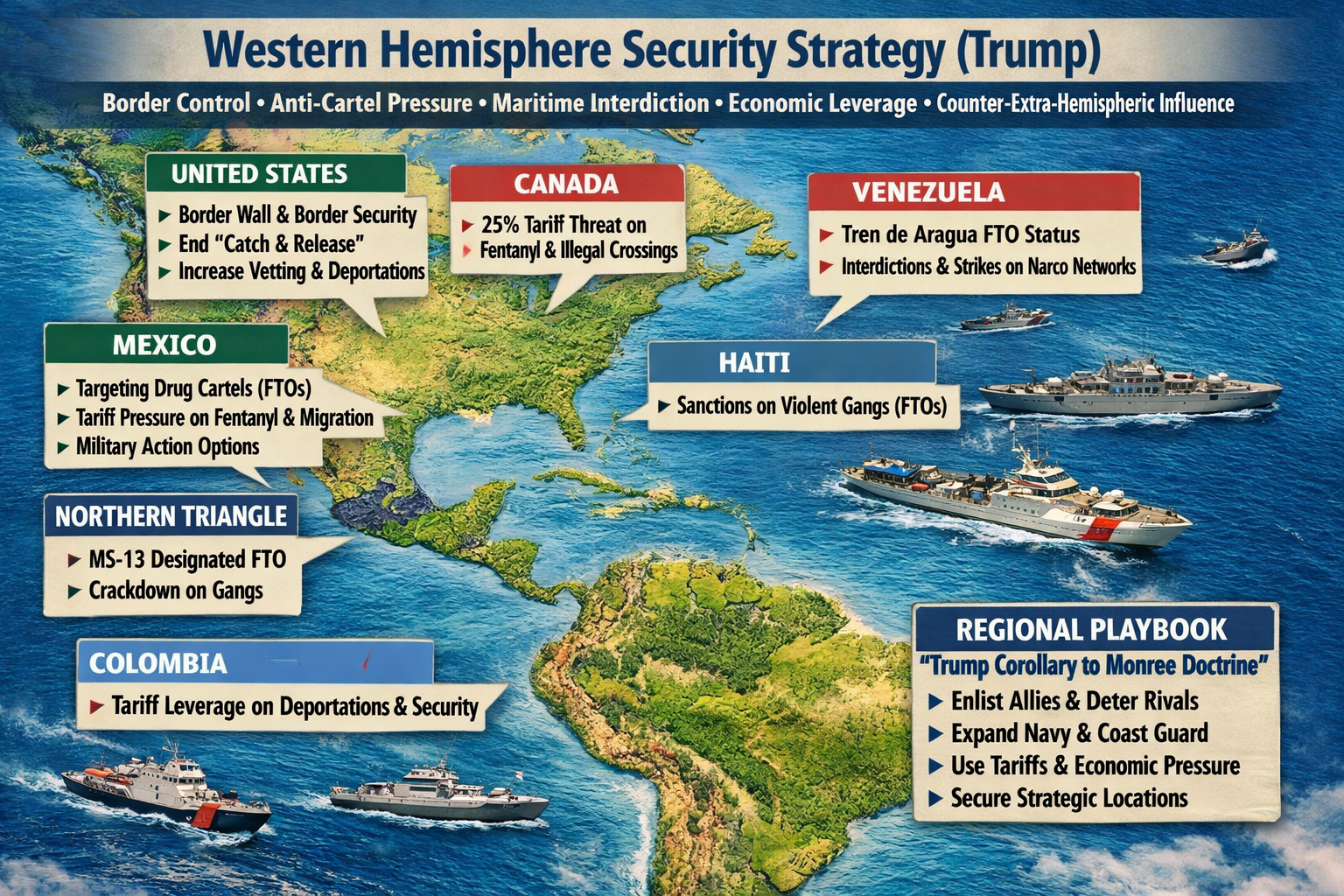
Why a Western Hemisphere security strategy matters — and what the U.S. gains from it
The practical advantage of a Western Hemisphere–focused security strategy is simple: the threats that most directly touch American communities overwhelmingly originate close to home—through land borders, regional migration routes, maritime corridors, and criminal networks that operate across the Americas. The 2025 National Security Strategy (NSS) explicitly frames the Western Hemisphere as a top-tier priority for preventing mass migration, disrupting “narco-terrorists, cartels, and other transnational criminal organizations,” protecting key assets and supply chains, and ensuring U.S. access to strategic locations—describing this approach as enforcing a “Trump Corollary” to the Monroe Doctrine. The White House
What that means in practice is that the Western Hemisphere becomes a “homeland-and-near-abroad” security perimeter: reduce destabilization in the region, deny hostile outside powers room to build leverage, and choke off the drug/trafficking pipelines that fuel violence and addiction in the United States.
The core advantage: move the fight outward, not inward
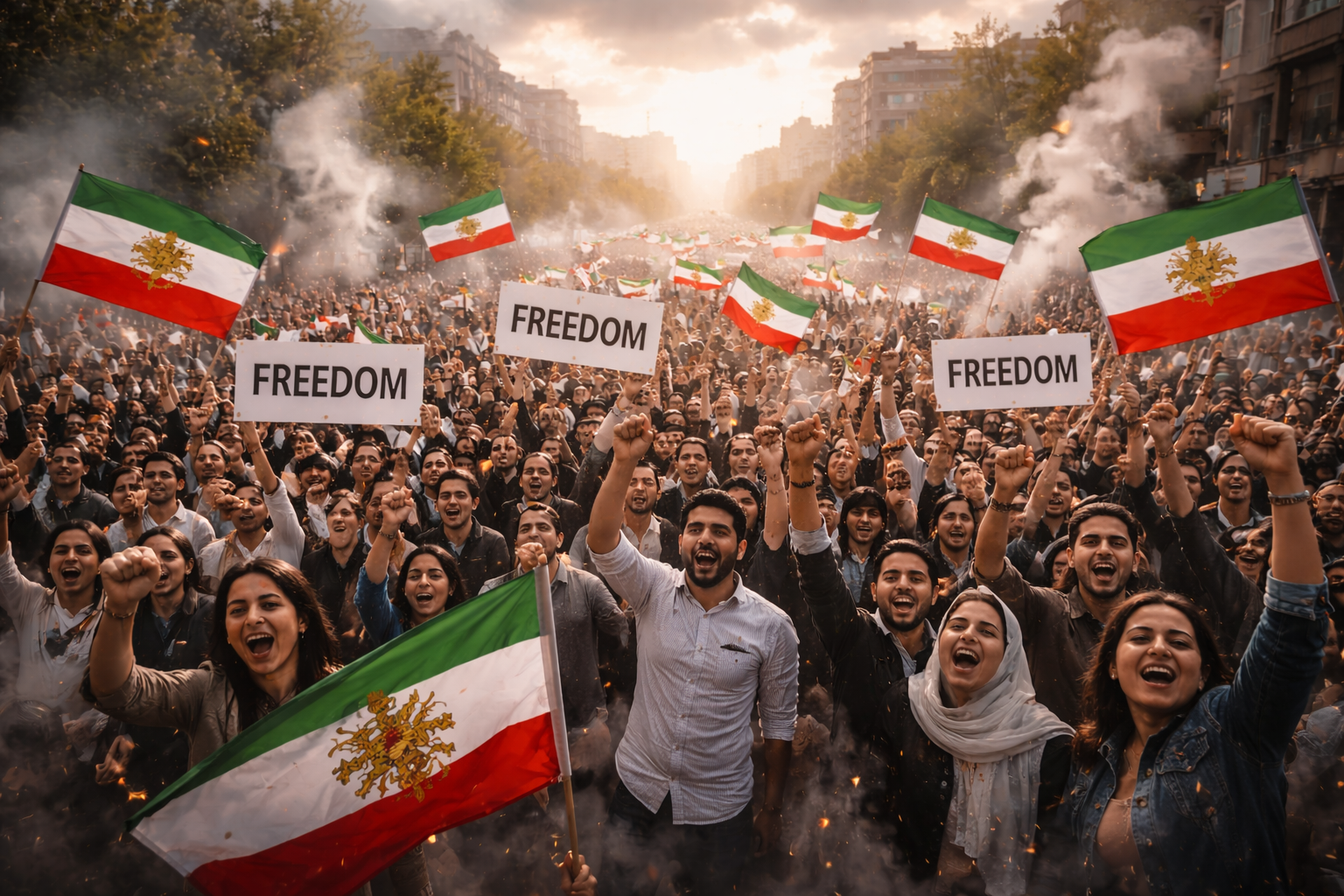
Iran’s Freedom Surge: A Nation Rejects the Boot of Totalitarian Rule
Iran is rising again—not as a temporary outburst, but as a national rejection of a system that survives by fear, propaganda, and force.
What began as an economic revolt—shopkeepers shutting their doors, families crushed by inflation, and a currency in freefall—has rapidly widened into something unmistakably political: crowds chanting against the supreme leader, demanding an end to the Islamic Republic’s coercive rule, and reviving the spirit of “Woman, Life, Freedom.” AP News Al Jazeera
This is what freedom movements look like before the world can neatly summarize them. They start with bread—and quickly become about dignity.
The spark: economic collapse that exposed political rot
Iran’s current unrest is being driven by a familiar truth: when a regime destroys opportunity, it eventually destroys obedience.
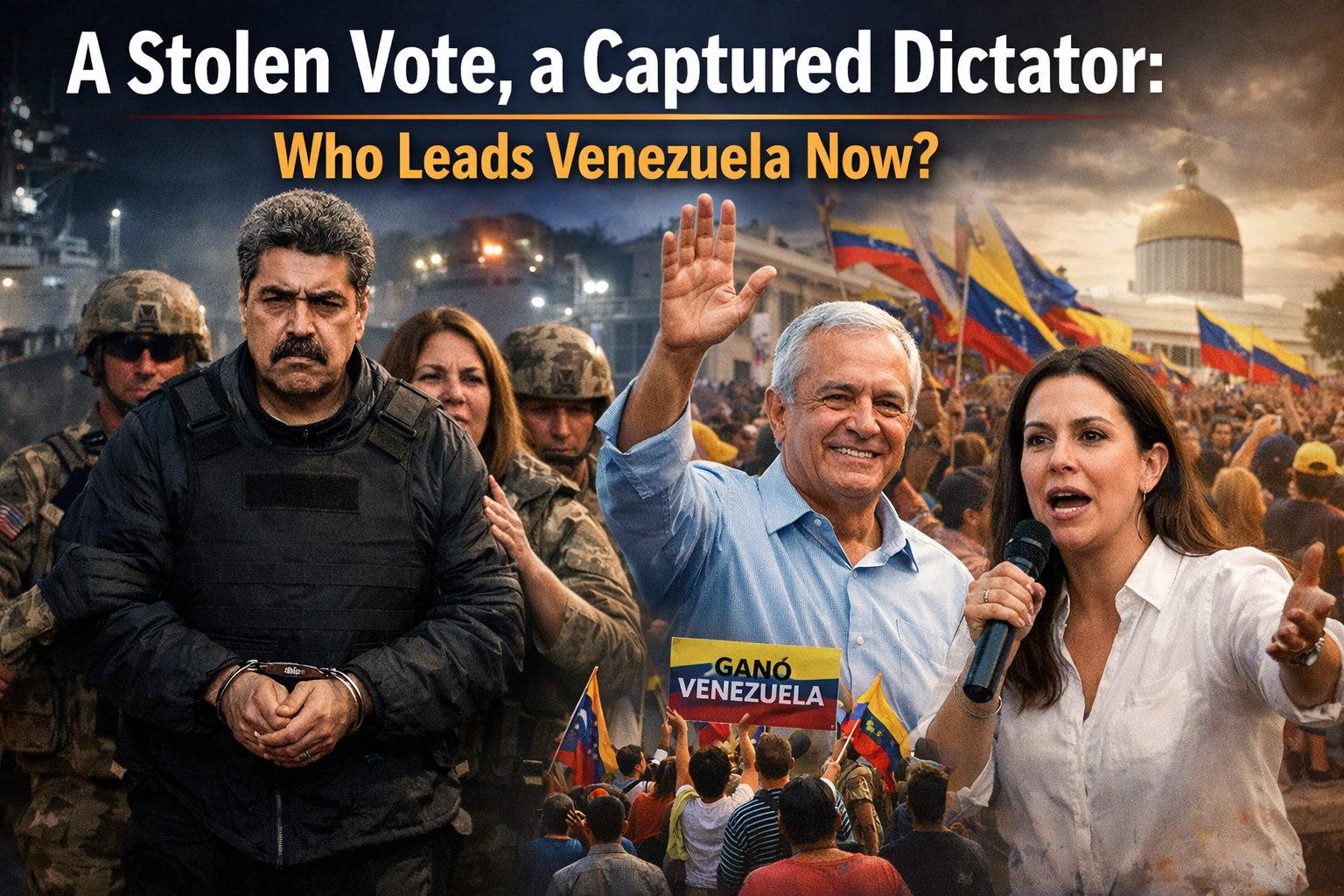
Maduro Captured: Venezuela’s Shot at Freedom After a Stolen Election
A Nation Reclaimed: Venezuela’s Chance to Break from Communism and CorruptionMaduro’s main opposition leader vs. the 2024 “winner”: who’s who?
María Corina Machado (opposition movement leader)
Role: The political engine of the anti-Maduro coalition—widely described as the “leader of the democratic forces.” European Parliament
2024 status: She won the opposition primary but was barred from running by Venezuela’s institutions aligned with the regime. Le Monde.fr
Strength: Grassroots mobilization, message discipline, and coalition pressure—she’s the figure most identified with the opposition’s broader “change” movement. European Parliament
Edmundo González Urrutia (the opposition’s 2024 presidential candidate)
Role: The unity/consensus candidate the opposition placed on the ballot after Machado was blocked. European Parliament
2024 “winner” claim: Many observers and governments said the official authorities did not provide transparent, polling-station-level results, while the opposition published tally sheets supporting González’s win; the Carter Center said it could not verify the CNE’s declared results and the election did not meet democratic integrity standards. The Carter Center
International recognition: The U.S. recognized González as “president-elect” in late 2024. The Guardian
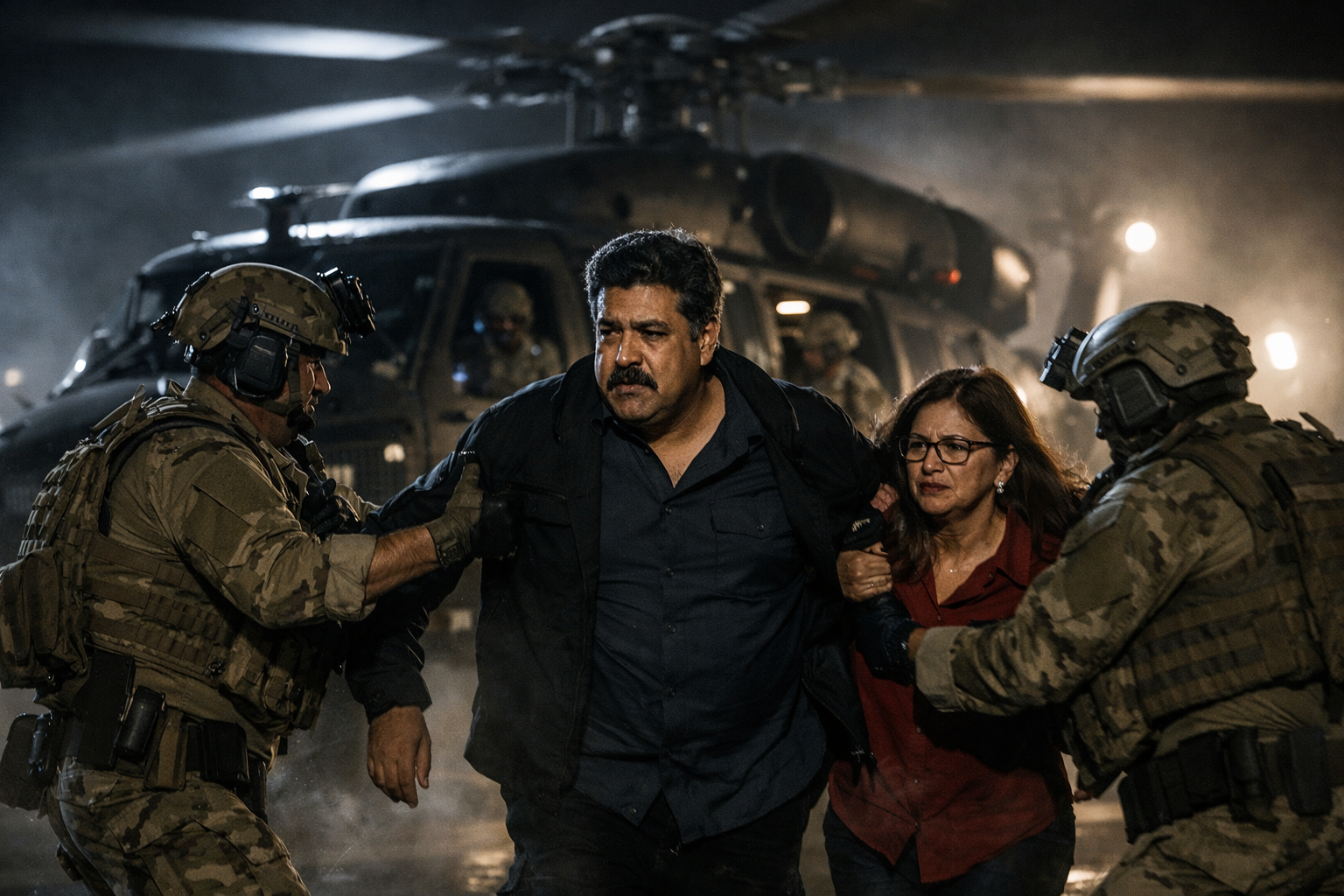
U.S. captured Nicolás Maduro and his wife — and what Venezuela could look like next
Early Saturday, January 3, 2026, President Donald Trump said the United States captured Venezuelan President Nicolás Maduro and his wife and flew them out of Venezuela, in the context of what he described as a large-scale U.S. strike. AP News Reuters
Venezuela’s government, for its part, issued statements condemning what it called U.S. “military aggression,” reporting attacks in Caracas and nearby states and declaring emergency measures. Reuters
What we know so far
Trump said Maduro and his wife were captured and flown out of the country. Reuters
Reporting describes explosions, low-flying aircraft, and strikes near key military sites in/around Caracas, plus power disruptions. AP News
The FAA reportedly restricted U.S. flights over Venezuelan airspace due to the situation. Financial Times
The immediate question: Who governs Venezuela now that Maduro is removed?
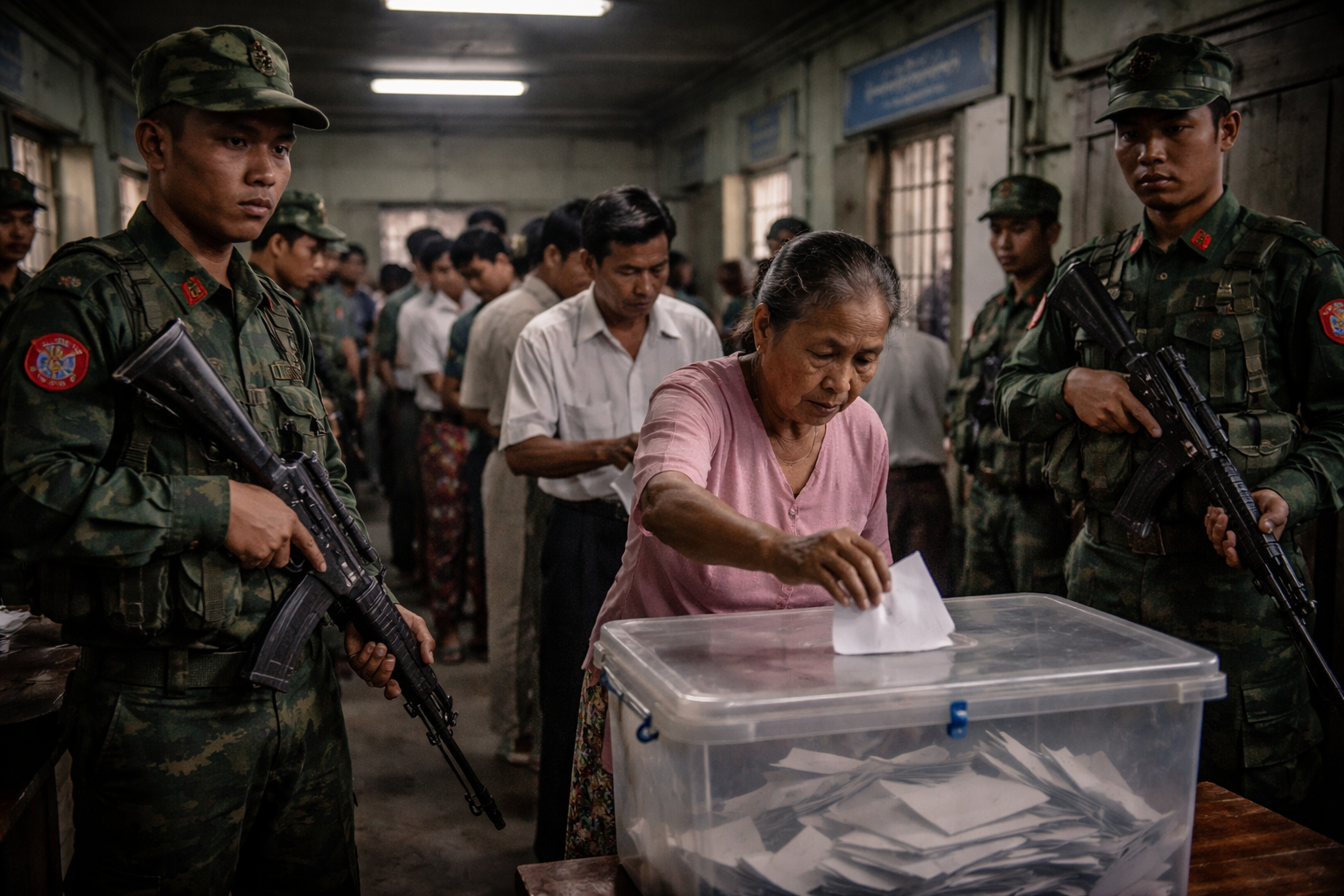
Exposé: Burma (Myanmar)’s “Election” Was Rigged Before a Single Vote Was Cast
Burma (Myanmar)’s junta didn’t “win” an election this week. It manufactured one.
What happened on December 28 (Phase 1 of a three-stage vote, with additional phases scheduled for January 11 and January 25) was not a democratic contest. It was a state-run legitimization exercise—organized amid civil war, enforced through repression, and structured to ensure the military’s proxy forces emerge “victorious” regardless of what ordinary people want. AP News+2Reuters+2
Below is how the rigging works—step by step—and why the outcome is effectively predetermined.
1) Rigging starts with who is allowed to exist in politics
A real election requires real opposition. The junta ensured that wouldn’t happen.
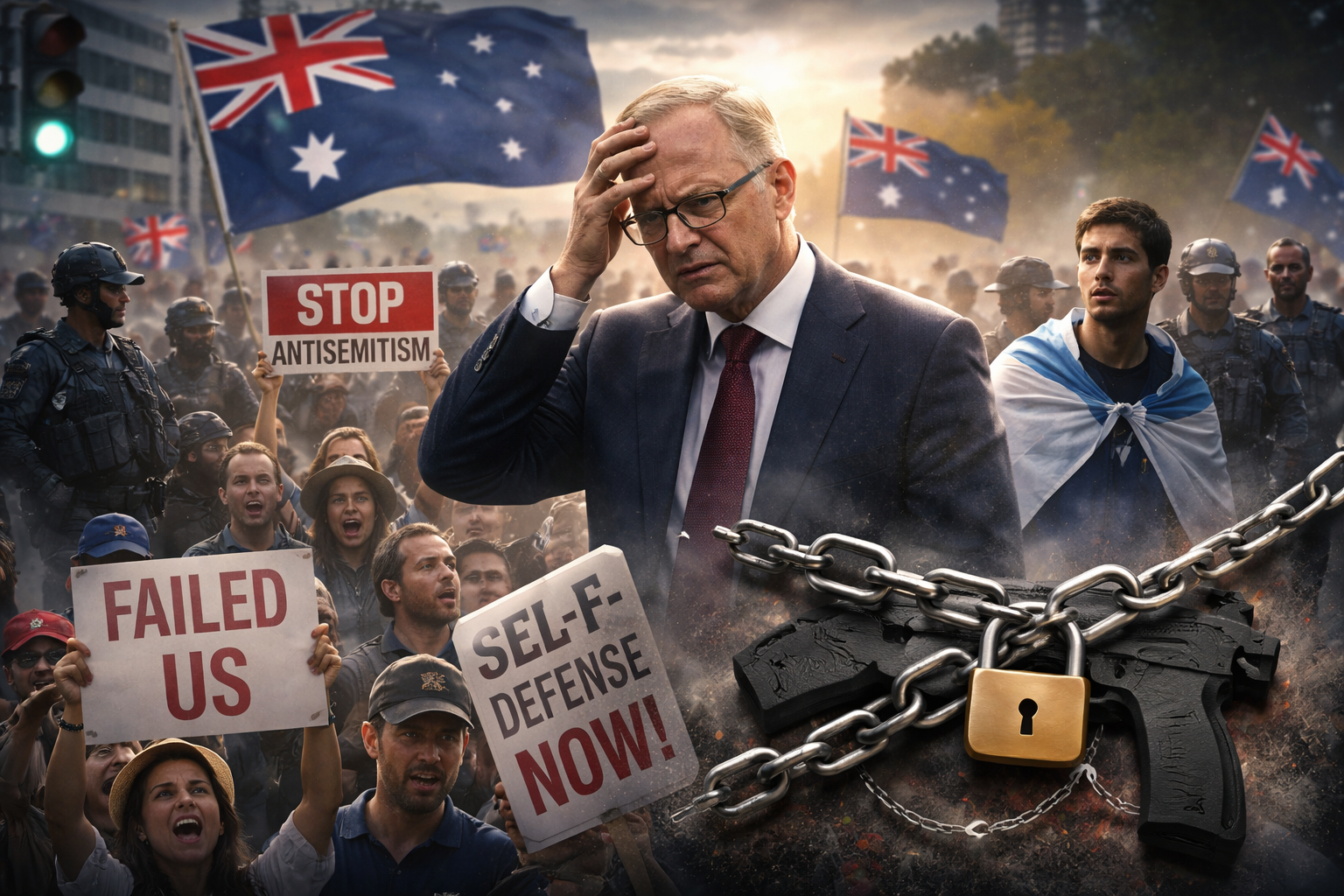
Bondi Beach: the antisemitic terror attack, the Philippines trip, and the security questions Australia can’t dodge
Australia’s modern bargain on public safety has long been clear: restrict access to rapid-fire weapons, and let trained, accountable institutions carry the burden of protection when the unthinkable happens. On the night of Dec. 14, 2025, at a public Hanukkah/Chanukah celebration on Bondi Beach, that bargain was tested in the harshest possible way—when a father and son opened fire on a Jewish gathering, killing 15 people and wounding many more. Authorities have described the attack as antisemitic and terrorism inspired by Islamic State ideology. Reuters AP News
The alleged gunmen—Sajid Akram (50) and his son Naveed Akram (24)—were quickly linked by investigators to pro–Islamic State networks and symbolism, including flags allegedly found after the attack, as police and national leaders moved to reassure a community already rattled by a documented surge in antisemitic incidents since Oct. 2023. AP News Reuters
The “65,000+” Era: Militant Islamist Terrorism Since 1979 — and the Gap With Other Religious Extremisms
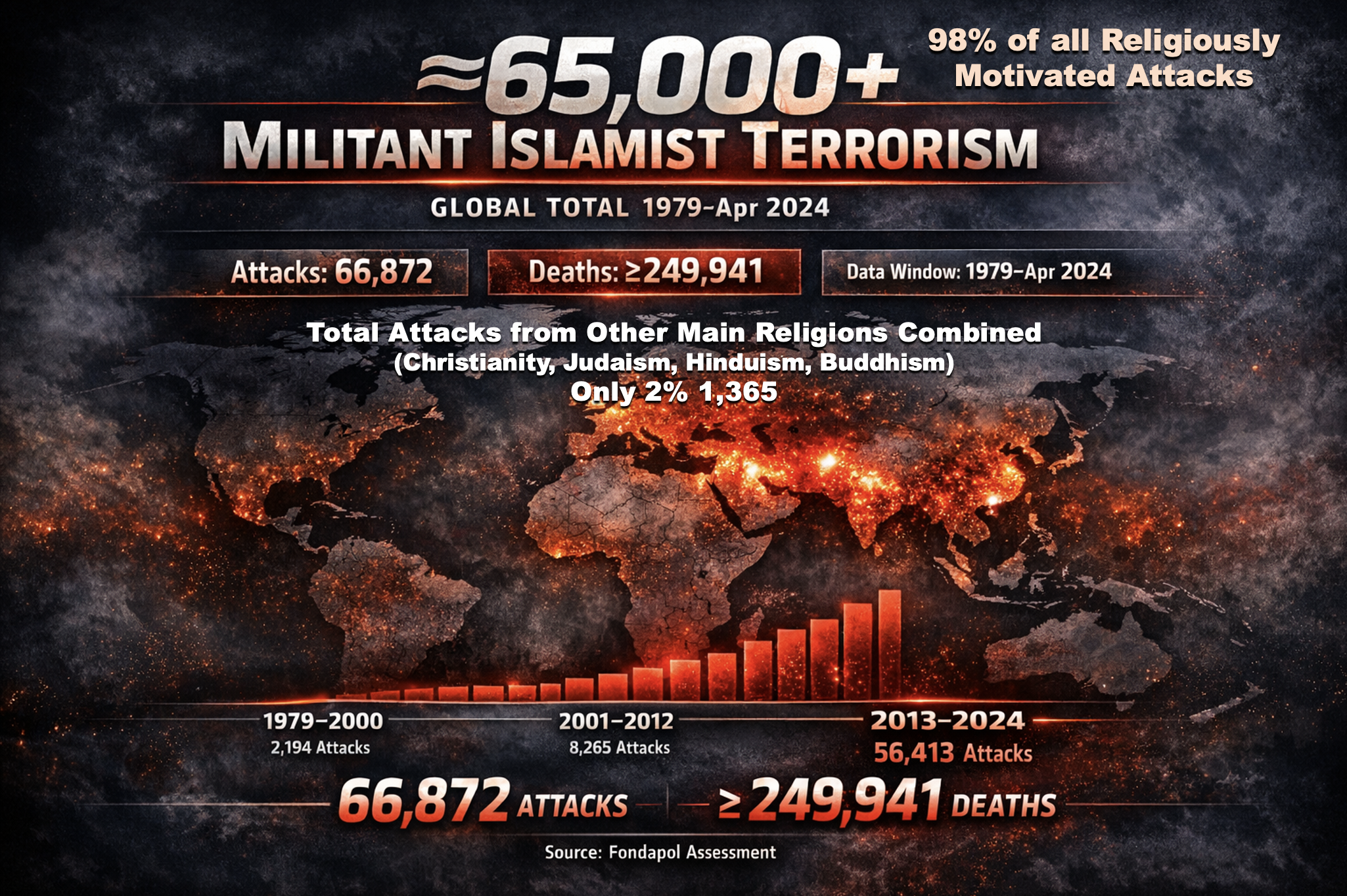
The number “65,000” is not a rhetorical flourish. It is effectively a shorthand for a documented global count: 66,872 Islamist terrorist attacks recorded worldwide from 1979 through 12 April 2024, causing at least 249,941 deaths, according to a large-scale assessment published by Fondapol. Fondation pour l'Innovation Politique
That single dataset frames the modern era of terrorism in hard numbers: tens of thousands of attacks, a quarter-million dead, and a pace of violence that accelerates sharply in the last decade.
The verified baseline: 66,872 attacks, ≥249,941 dead (1979–Apr 2024)
Fondapol’s headline findings are straightforward:
Attacks: 66,872 Islamist terrorist attacks worldwide
Deaths: ≥249,941
Concentration: 84.4% of the recorded attacks occurred from 2013–Apr 2024 Fondation pour l'Innovation Politique
The timeline makes the surge unmistakable:
1979–2000: 2,194 attacks; 6,817 deaths
2001–2012: 8,265 attacks; 38,187 deaths
2013–Apr 2024: 56,413 attacks; 204,937 deaths Fondation pour l'Innovation Politique
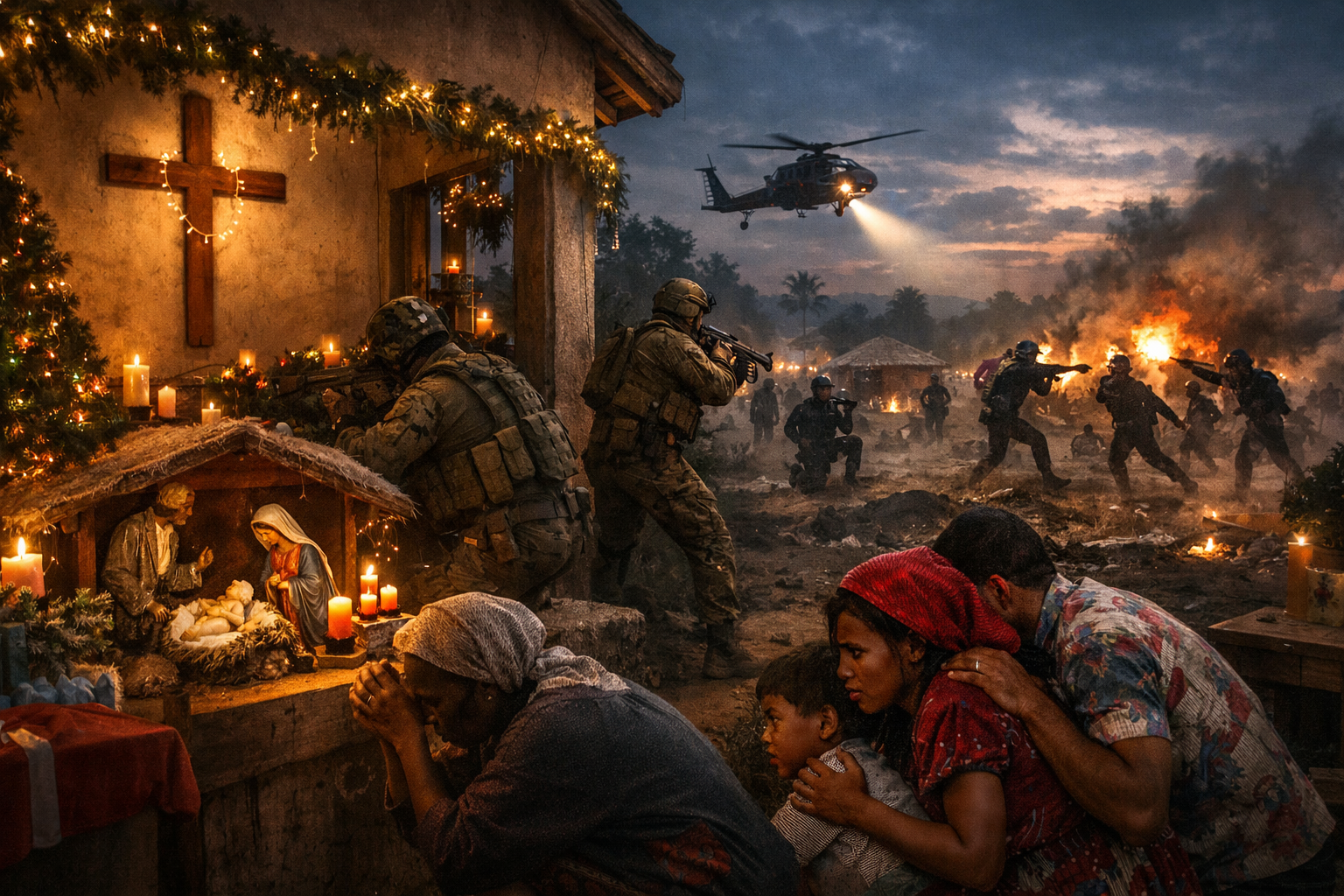
Christmas Under Fire: Nigeria’s Christians Targeted — and the U.S. Hits ISIS Camps on Christmas Day
On December 25, 2025 (Christmas Day), the United States launched a major strike in northwestern Nigeria against ISIS-linked militants, after a string of attacks and abductions that have left many Christian communities fearing that the holiday season has become an open invitation for terror. The Washington Post Reuters AP News
For families trying to worship in peace, the pattern is brutally familiar: armed men arrive without warning, services are interrupted by gunfire, worshippers are dragged away, and entire communities are left to decide whether gathering to pray is worth risking their lives.
The violence Christians are facing right now
In the days leading up to Christmas, Nigeria saw fresh attacks on churches and churchgoers that sharpened international attention on Christian vulnerability in parts of the country.
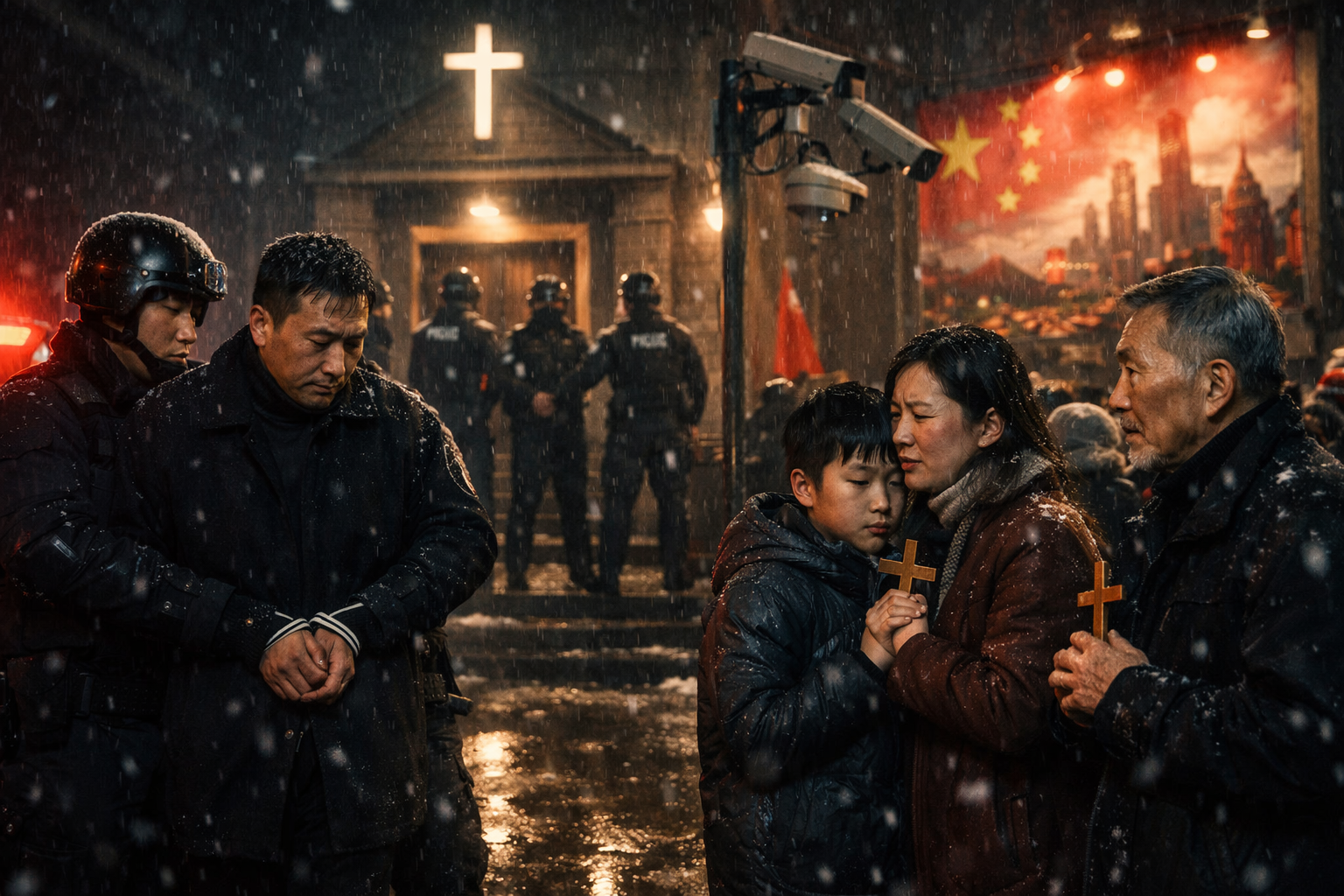
Christmas Under Oppression: China’s Intensified Crackdown on Christians (Oct–Dec 2025)
What’s been reported over the last few weeks is hard to read: pastors detained, church leaders formally arrested, families separating or fleeing, and worship pushed further into fear and hiding—right as Christians prepare for Christmas. The Guardian
This is a deep dive into what’s documented in recent reporting and human-rights monitoring.
1) The central event: a nationwide sweep hitting church leaders across multiple cities
What happened (dates and numbers that are consistently reported)
Oct 10–11, 2025: Chinese authorities carried out a coordinated operation detaining nearly 30 pastors, preachers, and members connected to Beijing Zion Church across multiple cities (reported as seven cities by Human Rights Watch). Human Rights Watch
Nov 19, 2025: 18 leaders were reported as formally arrested and could face up to three years in prison on a charge described as “illegally using information networks.” Reuters
Dec 23, 2025: Major reporting describes this as the most significant wave of pressure against independent Christian communities in years—with detentions continuing into the Christmas season and families describing terror and uncertainty. The Guardian
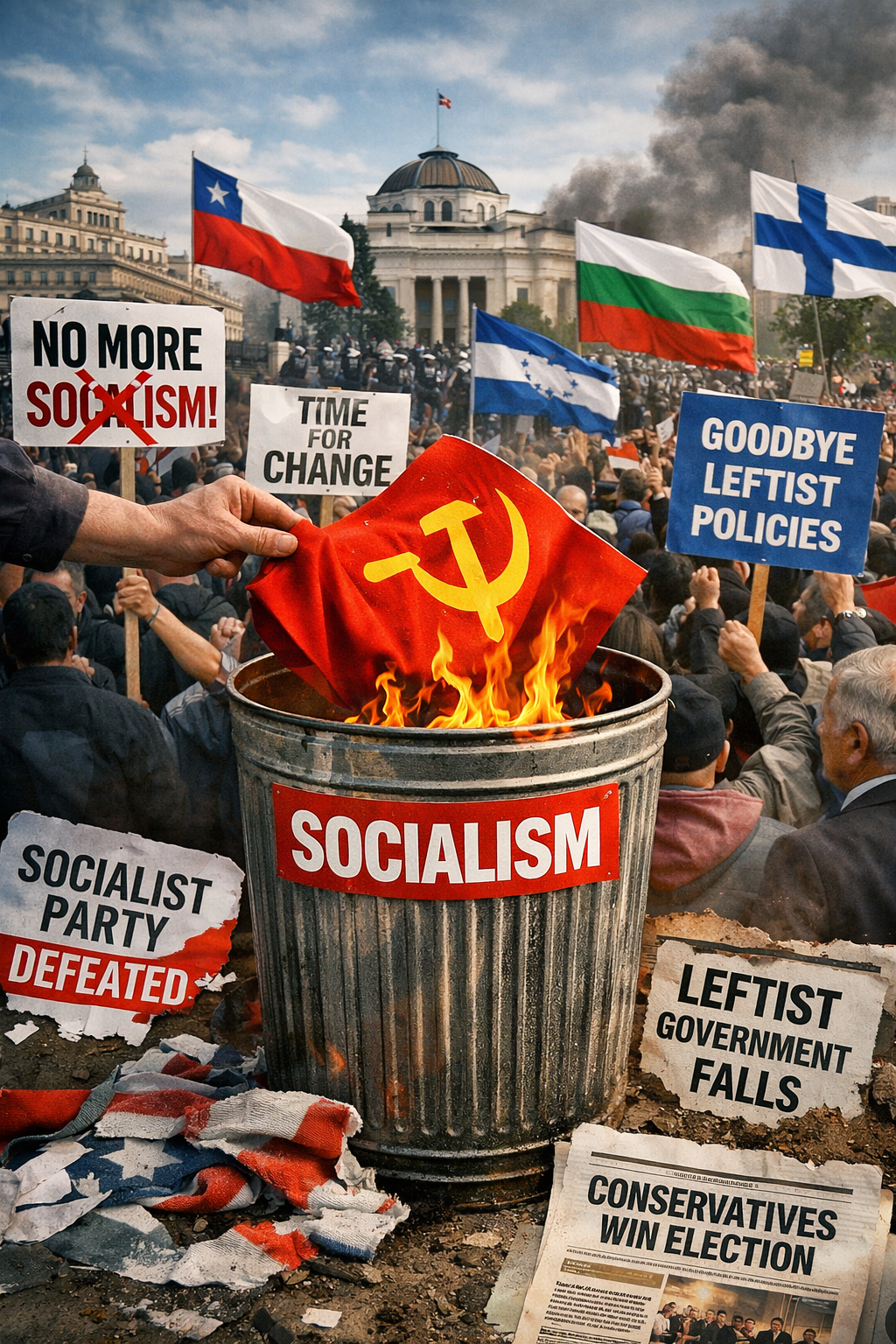
Chile, Bulgaria, Honduras: how voters globally are shifting away from socialist-led governance
A growing public backlash: “Stop trying to run our lives, rewrite our identity, and police our beliefs”
Across multiple democracies, elections and street protests are increasingly shaped by a single, consistent demand: limits on government power.
In country after country, large segments of the public are signaling that they are tired of:
expanding state control (taxation, spending, regulation, bureaucracy),
top-down speech and information enforcement, and
political projects that treat national identity, tradition, and faith as something to be managed, softened, or replaced.
This isn’t presented by voters as an abstract theory. It is expressed as a practical refusal: “You don’t get to force us into one approved worldview.” That mood is now driving real political outcomes.
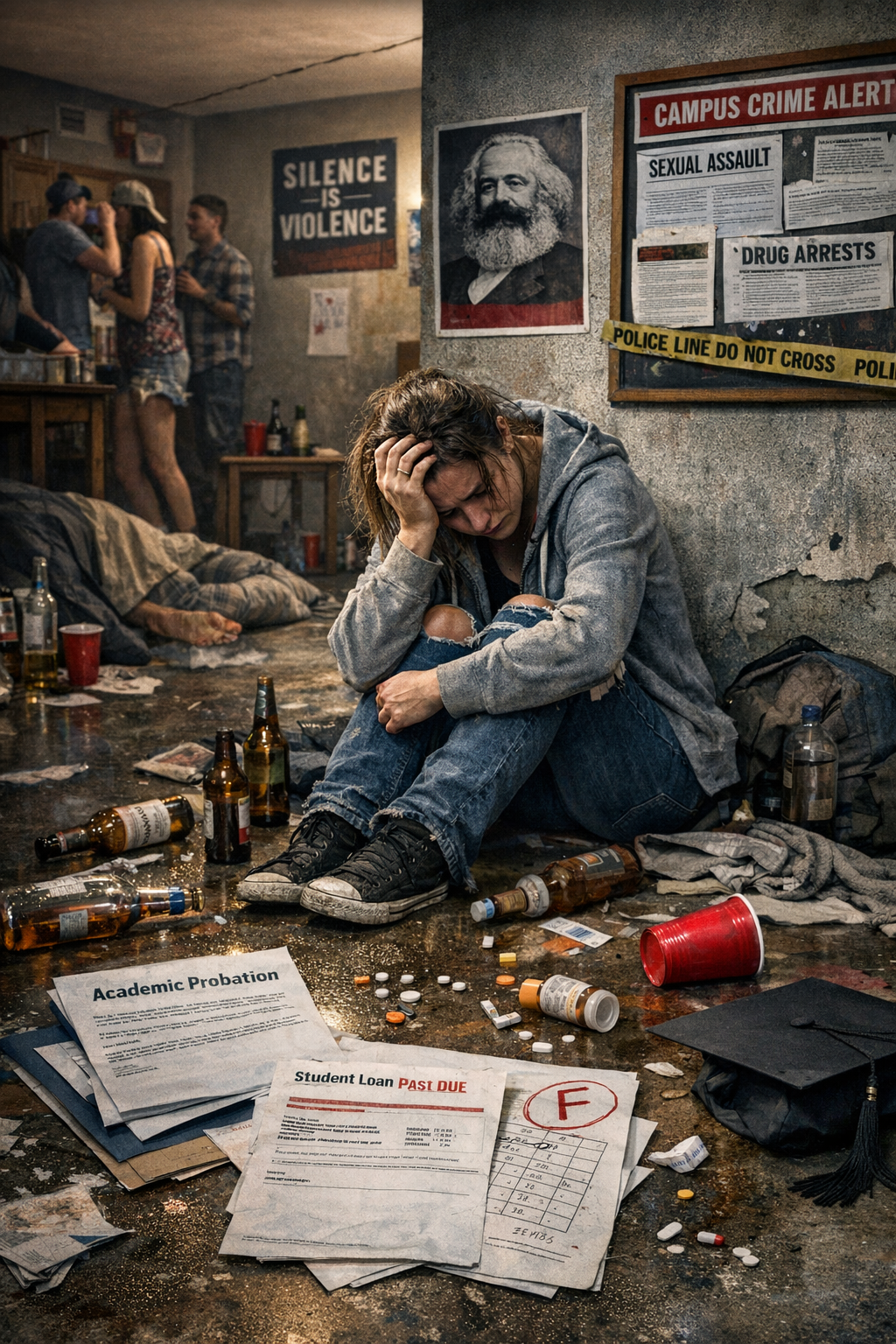
Parents: You cannot afford to “hope for the best” with college
If you are about to send your son or daughter to a university without doing serious research, you are gambling with the most important investment you’ve made for 18 years: their mind, their character, their future, and their stability.
This is not about being paranoid. It’s about being responsible.
A university is not just classrooms and majors. It is a 24/7 ecosystem—friends, parties, beliefs, authority structures, policies, and pressures—that will shape your child faster than you think. If that ecosystem is toxic, permissive, predatory, ideologically rigid, or academically indifferent, it can pull apart in one year what your family spent nearly two decades building.
And the consequences are not theoretical.
Parents have watched it happen:
A high-potential student becomes a heavy drinker because “everyone does it here.”
A motivated kid stops going to class, fails out, and spirals into shame and isolation.
Debt piles up, confidence collapses, and the student drops out with no plan and no support.
A student loses their moral compass, gets confused, depressed, and detached from family and faith.
A student gets stuck in a campus culture where dissent is punished and conformity is rewarded.
A student ends up in a downward track—academic failure, addiction, homelessness, legal trouble, or simply a life that never recovers the momentum it once had.