

Bondi Beach: the antisemitic terror attack, the Philippines trip, and the security questions Australia can’t dodge
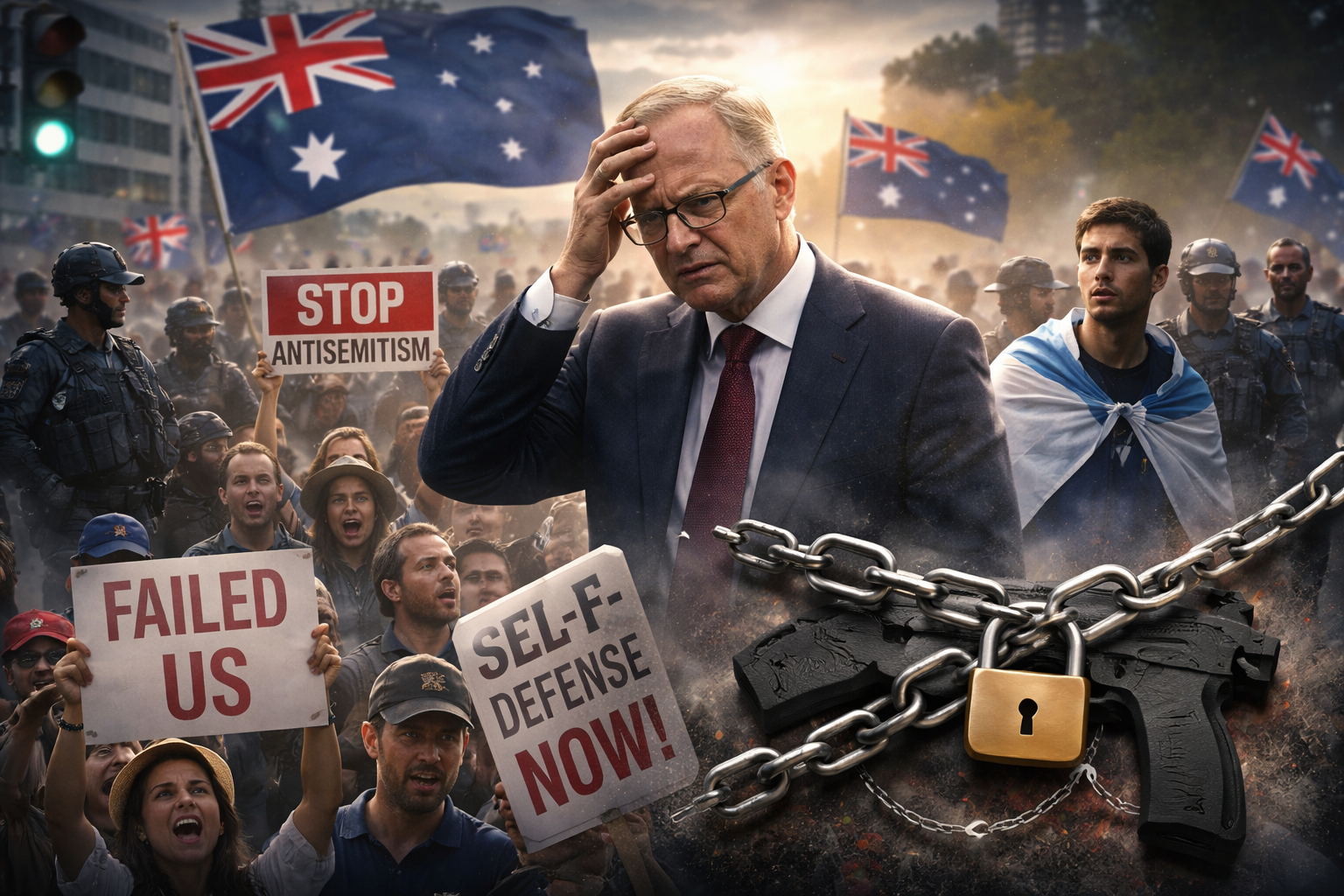
Australia’s modern bargain on public safety has long been clear: restrict access to rapid-fire weapons, and let trained, accountable institutions carry the burden of protection when the unthinkable happens. On the night of Dec. 14, 2025, at a public Hanukkah/Chanukah celebration on Bondi Beach, that bargain was tested in the harshest possible way—when a father and son opened fire on a Jewish gathering, killing 15 people and wounding many more. Authorities have described the attack as antisemitic and terrorism inspired by Islamic State ideology. Reuters AP News
The alleged gunmen—Sajid Akram (50) and his son Naveed Akram (24)—were quickly linked by investigators to pro–Islamic State networks and symbolism, including flags allegedly found after the attack, as police and national leaders moved to reassure a community already rattled by a documented surge in antisemitic incidents since Oct. 2023. AP News Reuters
The Philippines trip: what’s known, and what’s still being tested
A core focus of investigators is the pair’s recent travel to the Philippines (Nov. 1–Nov. 28, 2025). Australian reporting—citing senior security sources—says the two travelled to the country for “military-style training” shortly before the shooting. Philippine immigration officials have confirmed the entry/exit dates and that Davao was listed as a destination. ABC
Bottom line: the Philippines trip is central because it may explain (1) acceleration of intent, (2) tactical capability, and/or (3) validation/authorization—but investigators have not publicly closed the loop on which of those, if any, actually occurred. The Guardian
After mass-casualty events, timelines matter—because they determine what was realistically stoppable and what was not. A widely circulated claim says police “stood down” and attackers “picked off victims” for nearly 20 minutes. Many argue the police response was inadequate, and if it were not for the civilian that wrestled the rifle from one of the gunman, it would have been even worse.
It reframes the operational question: the most consequential gap may not be “why didn’t police arrive,” but how an attack of this scale was able to be mounted at all—with legally held firearms, at a known public event, by suspects who had already drawn prior counterterrorism attention. AP News The Guardian
Preparedness and prevention: the failures being examined now
Investigators and policymakers are now pulling on three threads at once:
Pre-attack visibility: Reporting says ASIO investigated Naveed Akram in 2019 due to associations of concern, but he was not deemed an ongoing threat at the time, and the pair were not on a watchlist before the attack. ABC
Firearm access and licensing: Sajid Akram was a licensed gun owner with multiple registered long guns. AP reports a bureaucratic mishap delayed his license process and that the state is now pushing for tighter rules, including restrictions on certain mechanisms and other eligibility changes. AP News
System accountability after the fact: The prime minister announced a review of federal intelligence and policing processes, led by former ASIO chief Dennis Richardson, amid rising calls for a more powerful royal commission-style inquiry. The Guardian
The gun-control dilemma Bondi reopened
Australia does not ban all civilian firearms, but it does operate under strict licensing and major limits—an approach often credited with reducing mass-shooting risk compared with many peer countries. The Bondi attack, however, has reignited the hard question that always sits underneath such frameworks:
If the state restricts defensive capacity for law-abiding citizens, can it guarantee competent protection in the moments that matter most?
In the wake of Bondi, leaders in New South Wales and the federal government have argued the answer is “more restriction and tighter controls,” not less—floating tougher limits, potential buy-back measures for newly restricted weapons, and new offenses tied to extremist symbols and hate-incitement. AP News
Political fallout: antisemitism, trust, and a public demanding consequences
The attack did not land on a neutral political landscape. Reuters reports the prime minister has faced intensifying criticism that his government did not do enough to curb a surge in antisemitism and radicalization risks after Oct. 2023. Reuters
Polling and media analyses since the attack show a measurable erosion in public confidence in the government’s handling—particularly around whether the response has been strong enough and whether a full royal commission is warranted. The Straits Times
What remains unresolved—and is now the center of public anger—is whether Australia’s institutions missed signals, failed to share intelligence, failed to anticipate acceleration after overseas travel, or failed to harden a known public target at a time when antisemitic incidents were already documented as rising. Those answers will determine whether the country’s “safety bargain” is repaired—or whether it is judged, by many Australians, as broken. The Guardian AP News
