

The PowerMentor Institute for Freedom and Justice explores leadership, freedom, and democracy issues with a commitment to those seeking freedom and self-determination, empowering those in regions with totalitarian control. We conduct thorough research using AI and other tools to provide the most accurate and insightful information available.
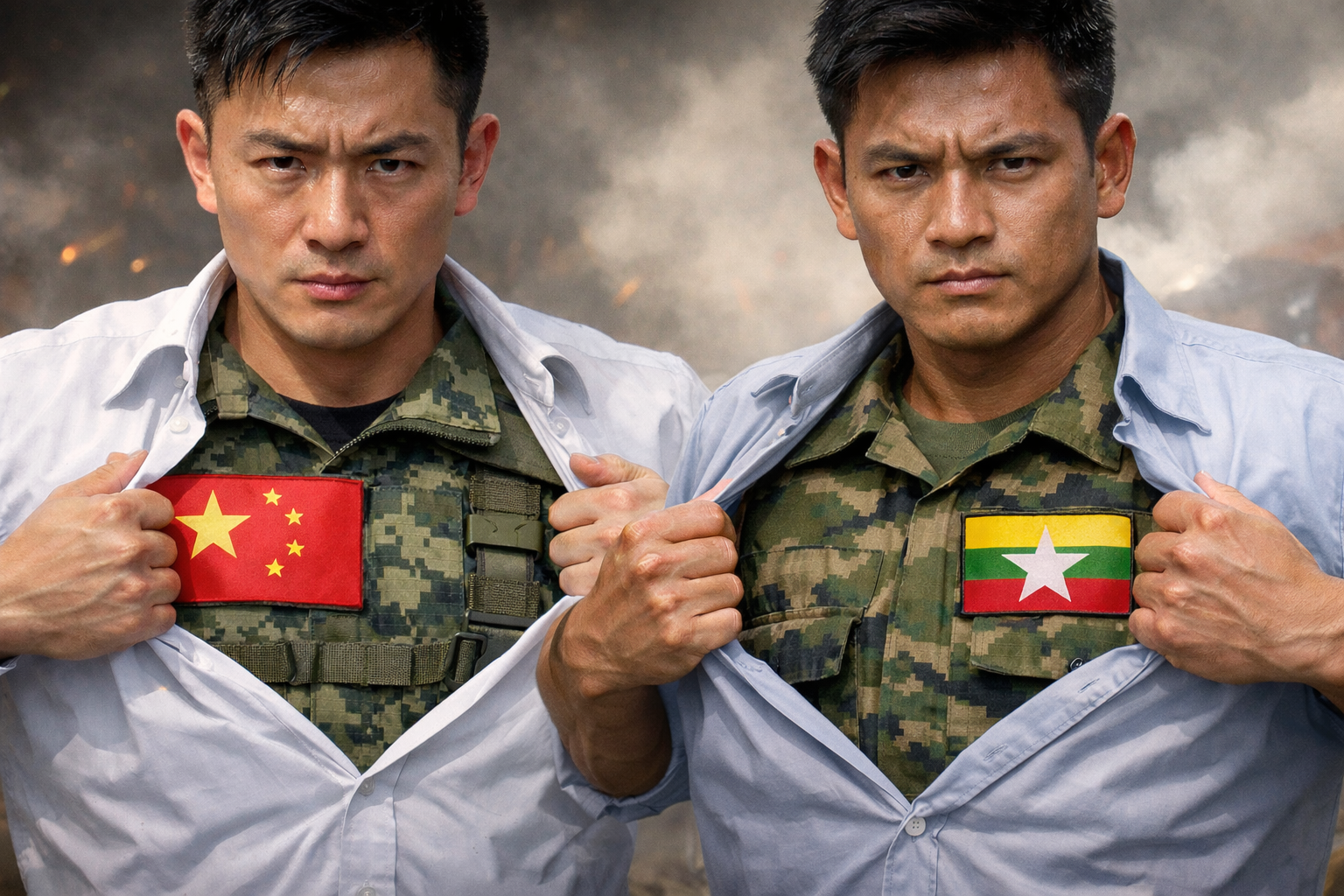
Allegations of Chinese Military Presence in Burma (Myanmar): What Is Being Reported—and Why It Matters
Reports emerging from Burma (Myanmar) have intensified concerns across the region, alleging that as many as 100,000 Chinese soldiers have been deployed inside the country in non-traditional forms, including operating in civilian clothing and embedded roles rather than overt military formations. While these claims have not been independently verified by international monitoring bodies, they are being widely discussed by local sources, regional observers, and communities living near contested areas. The Burmese military (Tatmadaw) also has a documented history of deploying soldiers in civilian clothing, a practice frequently reported by local communities and conflict monitors as a means of concealment, intimidation, and operational deniability.
This article outlines what is being alleged, why such a deployment—if accurate—would be strategically significant, and how it fits into the broader Burmese and Chinese relationship.
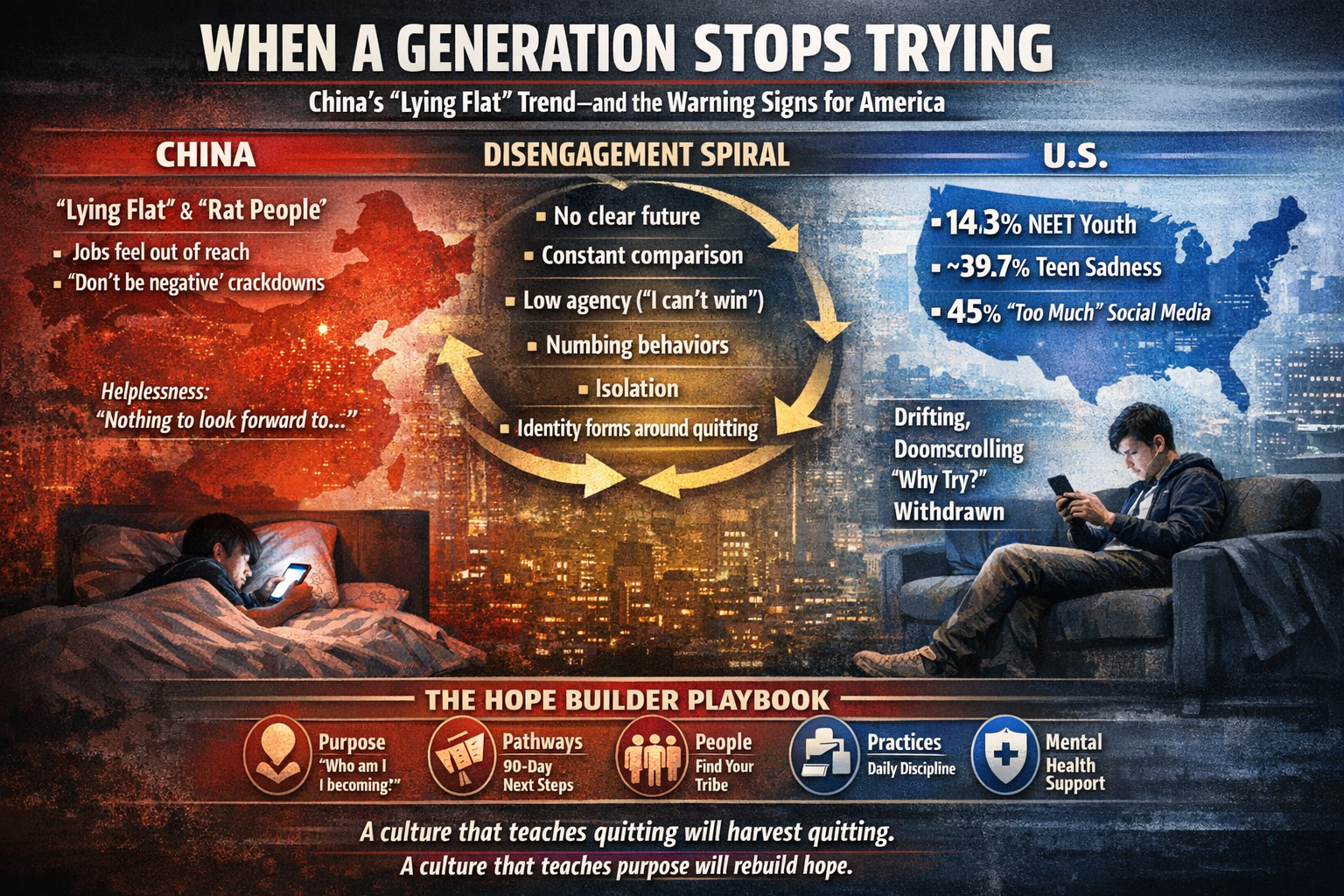
When a Generation Stops Trying: A PowerMentor Perspective on Disengagement—and How Purpose Changes Everything
At PowerMentor, we spend our time with young adults others have already written off.
Not because they are lazy.
Not because they lack intelligence.
But because somewhere along the way, hope broke.
What China now calls “lying flat”—choosing to disengage from work, ambition, and effort—is not a foreign anomaly. It is a warning signal. And it is one we would be foolish to ignore.
Because we are seeing the early versions of the same collapse here in the United States.
Disengagement Is Not Rebellion—It Is Resignation
In China, young people have given a name to what they are feeling:
“Why try if the future is closed?”
They sleep late. Scroll endlessly. Do the minimum. Some openly identify as “rat people,” existing rather than building, waiting rather than striving.
This is not protest.
It is psychological surrender.
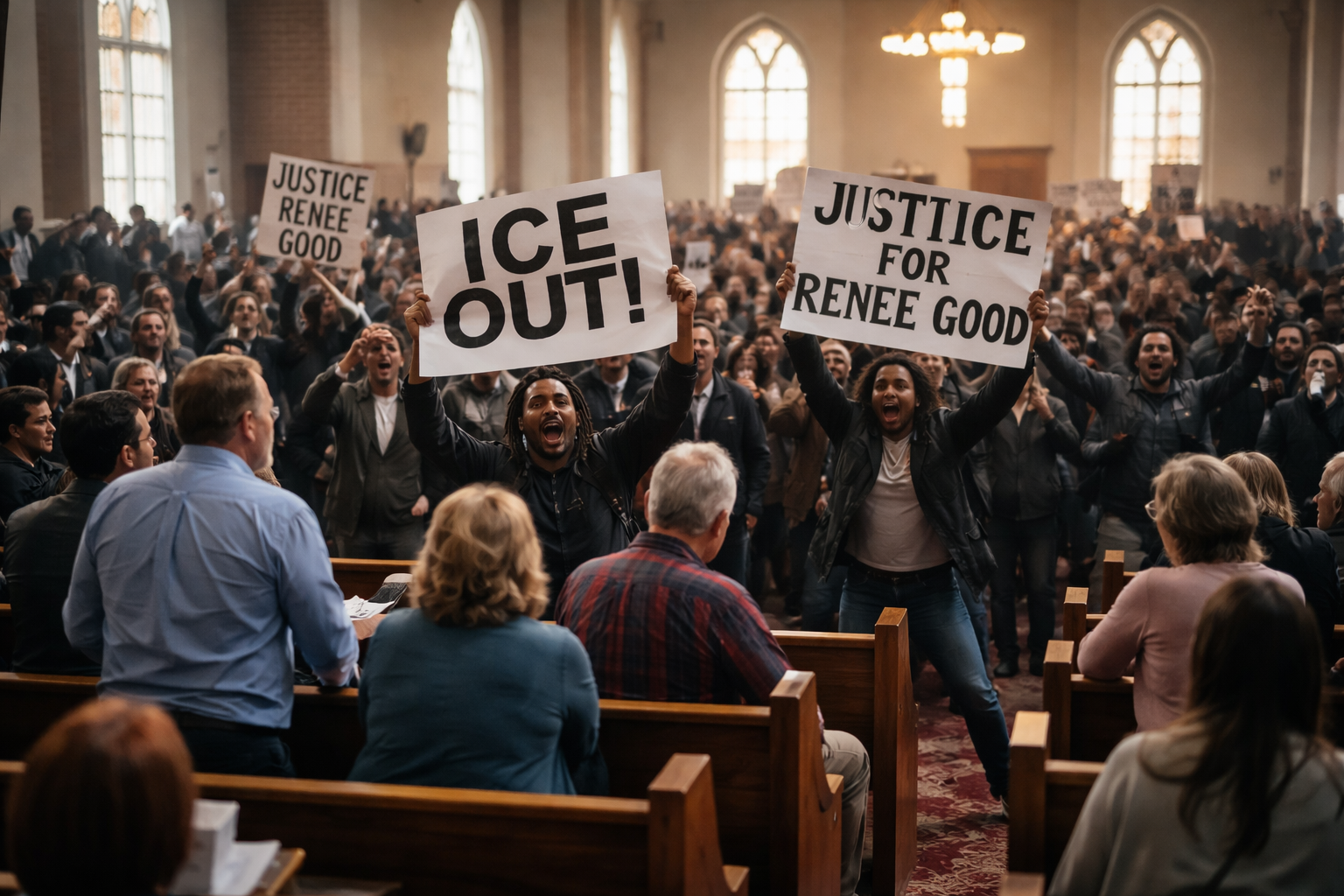
A Church Under Siege: The Day Anti-ICE Protesters Invaded a Minnesota Worship Service
Storming the Sanctuary: Anti-ICE Activists Disrupt Worship in St. Paul
A Sunday service. A sanctuary. Families gathered to worship. And then a political mob decided the church pews were their new protest stage.
On Sunday, January 18, 2026, a group of activists entered Cities Church in St. Paul, Minnesota and interrupted the worship service—chanting slogans like “ICE out” and “Justice for Renee Good.”
This wasn’t a protest outside. This was a takeover inside—in the middle of Christian worship.
What happened (the clean timeline)
Activists moved into the sanctuary during the service and began chanting, according to video and multiple reports.
Organizers cited include Black Lives Matter Minnesota and the Racial Justice Network, Don Lemon who was agreed to livestream, per reporting and DOJ-related coverage.
The protest centered on the allegation that Pastor David Easterwood is also employed by ICE in Minnesota.
The service was forced to conclude because of the disruption.
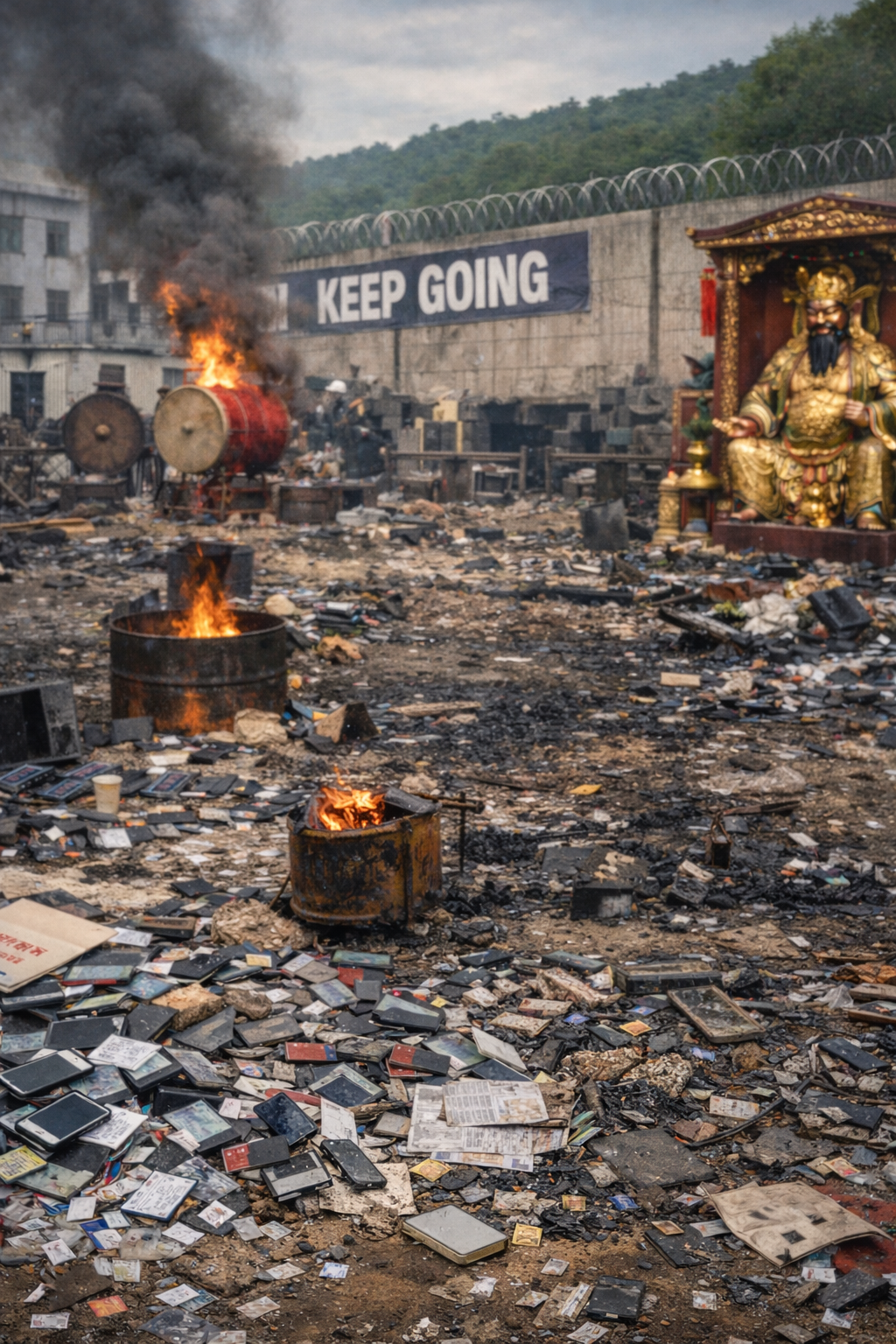
Shunda Park: When Karen Land Becomes a Factory for Global Fraud — and Why Whistleblowers Like Nerdah Bo Mya Keep Getting Attacked
In December 2025, the world got a rare look behind the razor wire.
Shunda Park — a purpose-built “office park” in Min Let Pan, Karen State — wasn’t designed to create jobs, grow the local economy, or serve a community. It was engineered to industrialize deception: rows of computers, staged “executive” rooms for video calls, scripts and notebooks on how to manipulate victims, and a culture that celebrated theft like a sales milestone. Reports describe thousands of workers from dozens of countries, some trafficked or coerced, pushed through relentless quotas and brutal punishment systems.
And here’s the part too many people miss: Karen communities didn’t build this. Karen communities are living inside the blast radius—caught between war, displacement, and transnational crime networks that use conflict zones as cover.
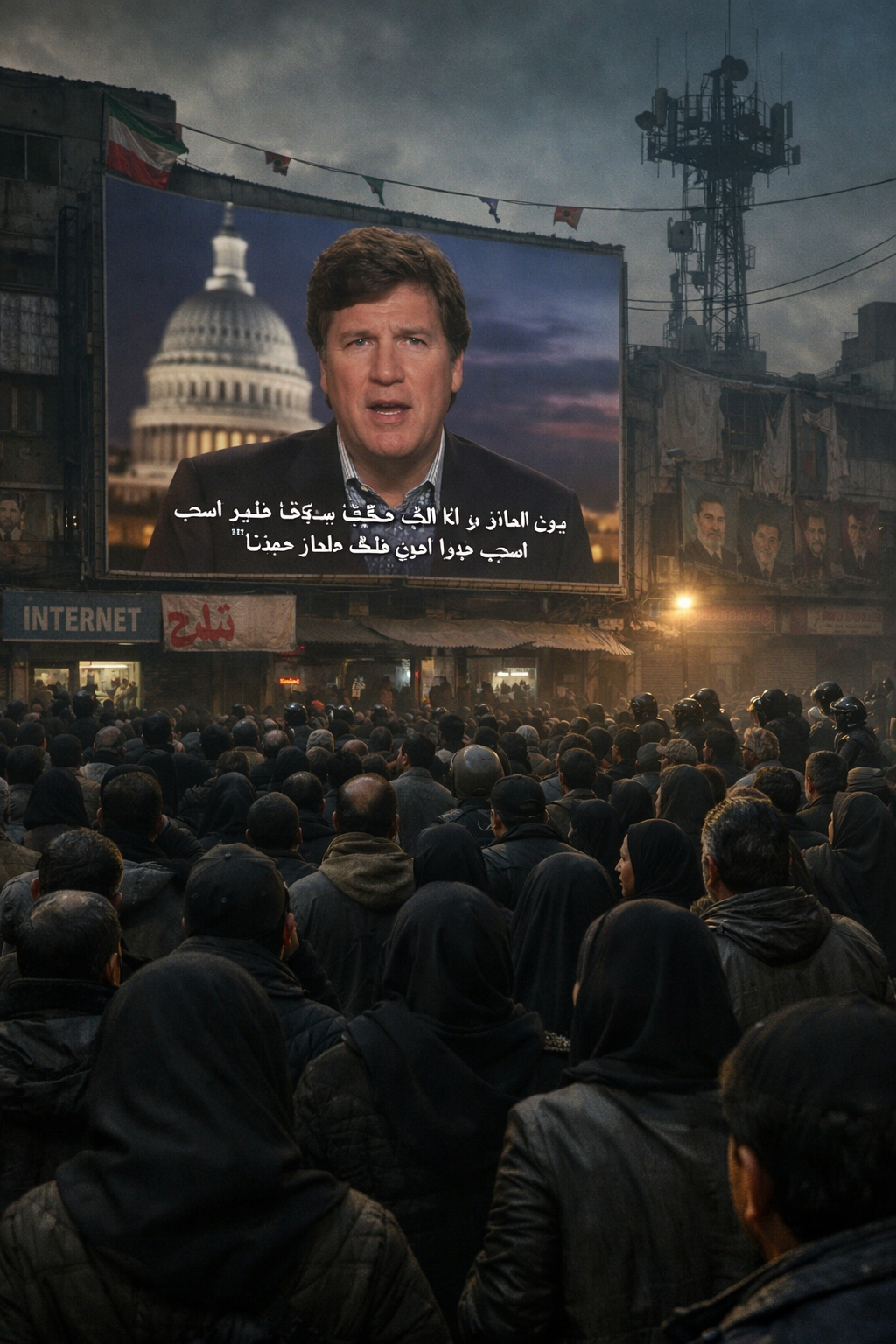
Tucker Carlson in Persian While Iran Goes Dark: How the Internet Blackout and a Regime-Friendly Interview Became a Propaganda Machine
As Iran’s protest movement intensifies, the Islamic Republic has moved on two tracks at once: cut the country off from the internet while flooding state TV with curated messaging—including Persian-dubbed Tucker Carlson content.
Sources inside Iran are consistent with what outside reporting has captured: when the internet is throttled, IRIB becomes the loudest—and for many, the only—national feed. In that information vacuum, clips from Carlson’s interview with Iran’s leadership can be edited into “proof” that the regime is right and its critics are liars.
Part I — The Blackout: Why the Regime Turns the Internet Off First
Recent reporting describes Iran instituting an internet blackout as protests spread and the state escalates threats and repression.
This is not just censorship—it’s operational control:
Disable protest coordination (group chats, meet-ups, rapid response to security deployments).
Stop visual evidence (videos of shootings, arrests, funerals) from circulating.
Delay and distort casualty reality long enough for state TV to define the narrative first.
With the internet constrained, the regime’s messaging doesn’t need to “win” online—it just needs to dominate the offline channel (television) that remains available.
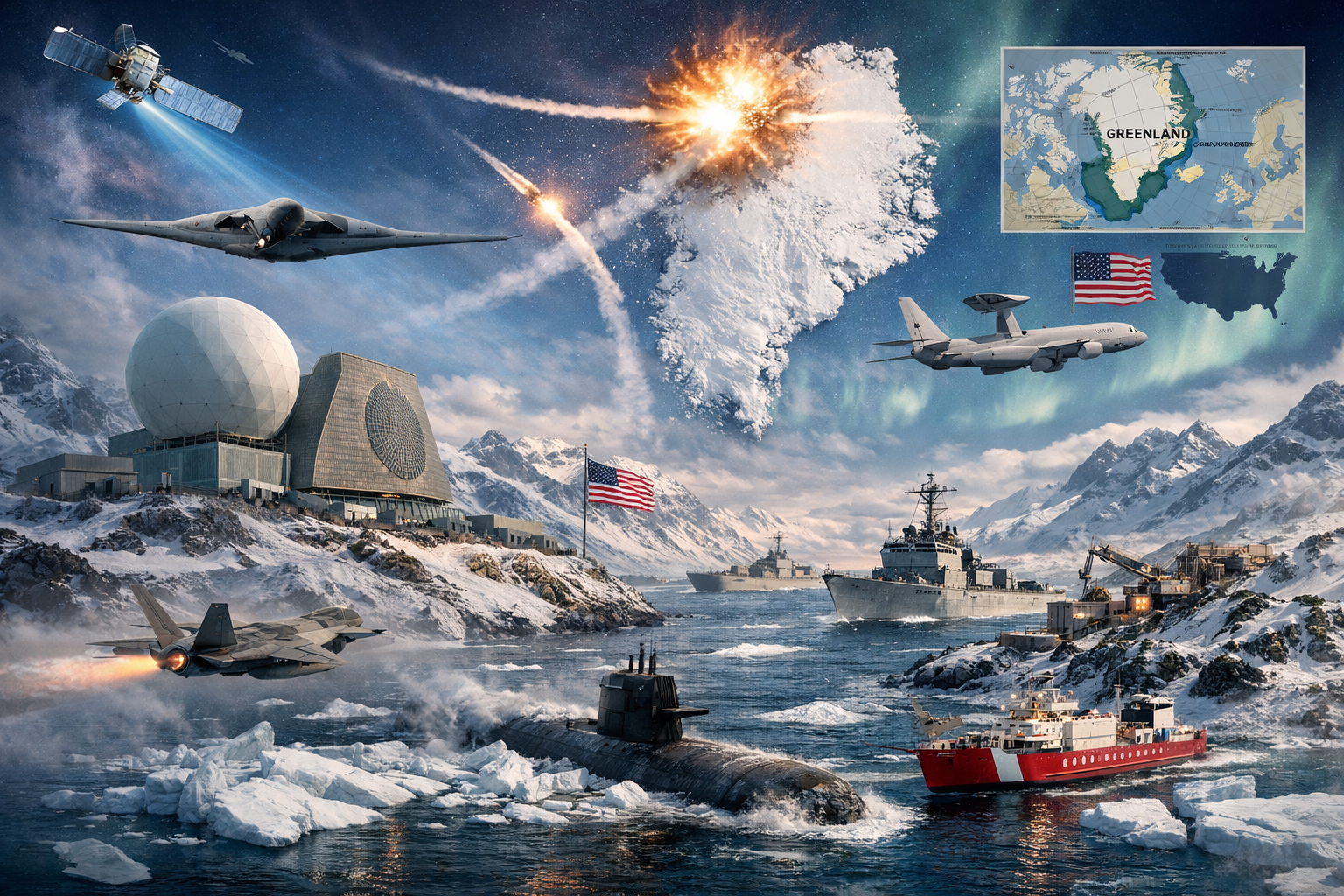
Greenland’s Watchtower: The Front Edge of Western Hemisphere Defense
Why Greenland matters strategically (the core drivers)
1) Geography that plugs straight into North America’s defense network
Greenland sits on the shortest “great-circle” routes between North America and Europe—and between Russia’s Arctic and North America. That geography is why the U.S. has maintained a major defense presence there since the early Cold War under a U.S.–Denmark defense agreement.
What that buys the U.S.:
Earlier warning time for threats coming over the Arctic (the fastest path for many missile trajectories).
A forward sensor position that’s hard to replicate elsewhere because Greenland is physically “in the way” of the Arctic approach.
2) Pituffik (Thule) = missile warning + missile defense sensing + space domain missions
The U.S. Space Force is explicit about why Pituffik Space Base exists: it supports Missile Warning, Missile Defense, and Space Surveillance through its radar and tracking capabilities.
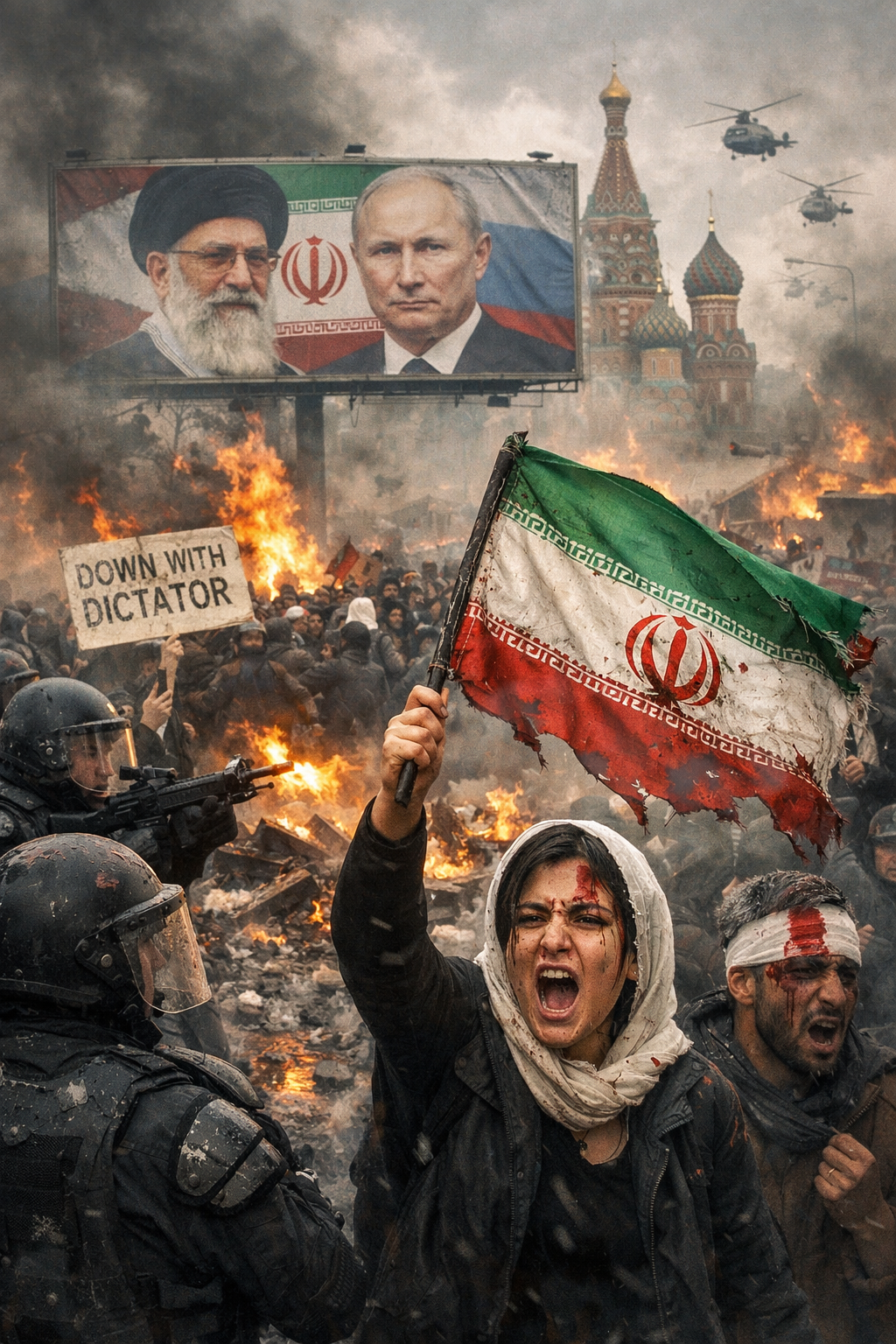
Iran’s New Uprising: Courage in the Streets, Brutality from the State, and Rumors of a “Plan B” Exit
Across Iran, a new wave of nationwide protests has grown from economic anger into open rejection of the Islamic Republic—despite live-fire crackdowns, mass arrests, and a near-total communications blackout that appears designed to conceal the scale of repression.
What’s happening right now (latest status)
Protests: Demonstrations that began in late December 2025 have continued into January 2026, spreading beyond Tehran into many cities and provinces, with reports of strikes, market closures, and campus activity.
Internet blackout: Iranian authorities have sharply restricted or cut off internet and international connectivity—making it harder to document deaths, arrests, or abuses, and harder for families to locate detained relatives.
Crackdown: Multiple human rights organizations report lethal force, arbitrary detention, and intimidation tactics used against protesters and bystanders.
Because Iran’s communications have been disrupted, fatality and detention totals vary by source and can change quickly; reputable outlets and rights monitors consistently emphasize that confirmed figures may undercount the real toll.
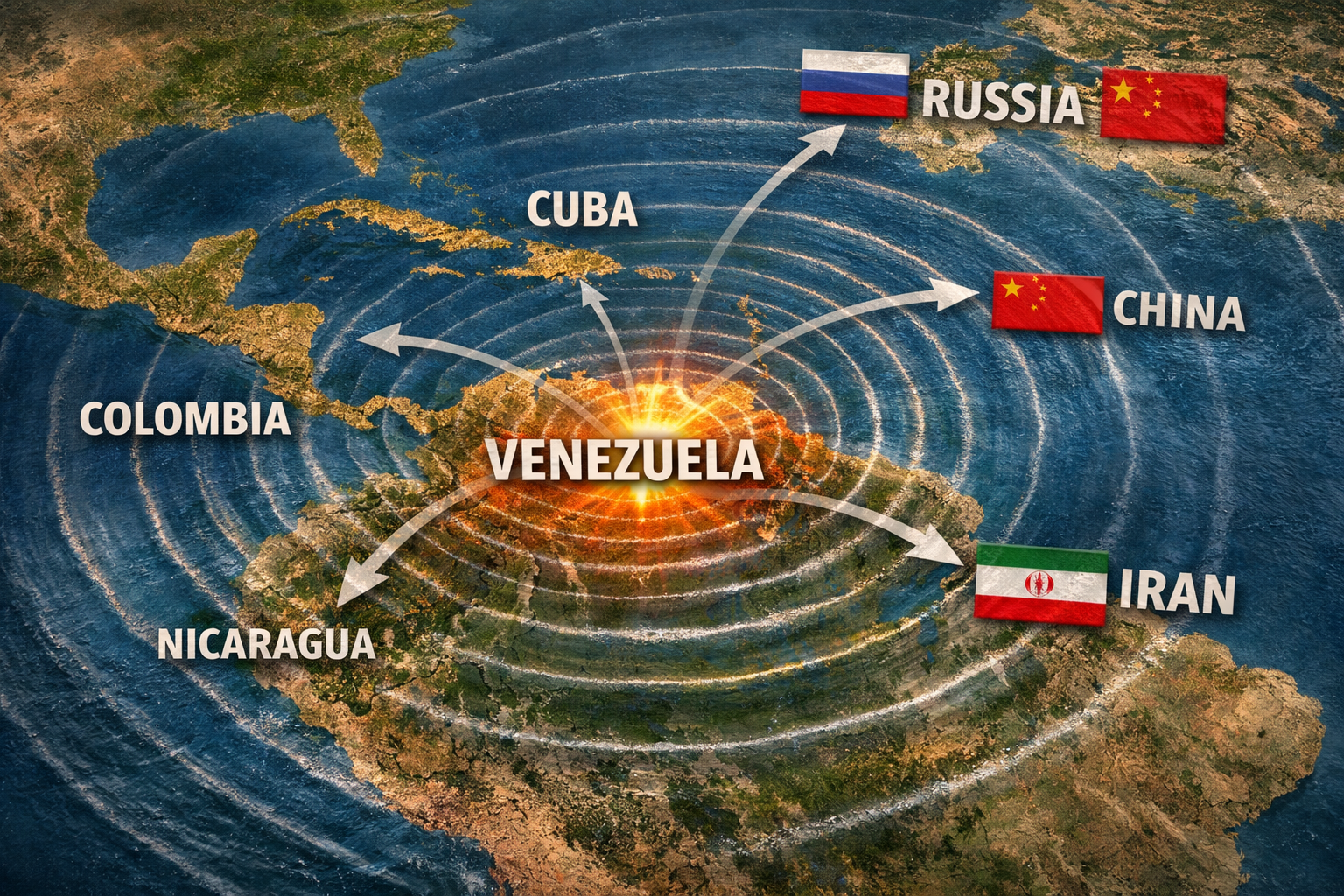
Venezuela’s Shockwave: The Domino Effect That Could Rattle Cuba—and Rewire the Iran–Russia–China Axis
On January 3, 2026, the United States launched a raid in Caracas—part of an operation publicly described as “Operation Resolve”—and captured Venezuelan leader Nicolás Maduro and his wife, moving them into U.S. custody. That single event has already triggered rapid aftershocks inside Venezuela, across the Caribbean, and among the extra-hemispheric powers that treated Caracas as a strategic foothold.
What happens next isn’t just a Venezuelan transition story. It is a regional stress test—and potentially a global one.
1) Why Venezuela is the keystone domino
For years, Venezuela functioned as more than a troubled petrostate. It became an operational hub where aligned governments could trade oil, move money, share intelligence methods, and test how far influence could reach inside the Americas.
The capture of Maduro doesn’t automatically produce stable democracy or immediate economic recovery. But it does disrupt the architecture that made Venezuela useful to other regimes—especially those that benefited from sanctions-dodging networks, security cooperation, and politically protected oil flows.
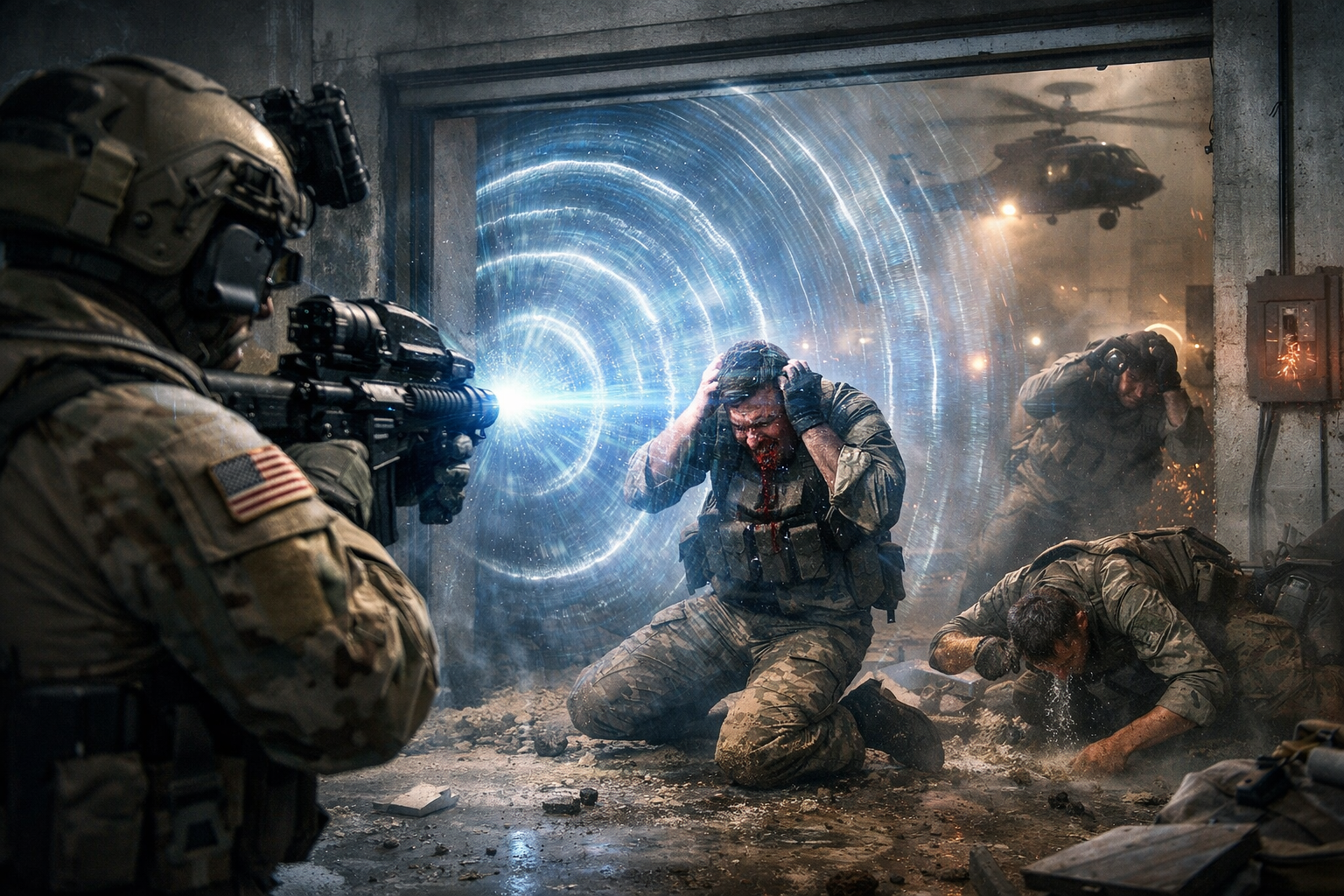
The Silent Strike: How a High-Tech Operation in Venezuela Changed Modern Warfare
A Raid That Shook the World
On January 3, 2026, an unprecedented United States military operation unfolded in the heart of Caracas, Venezuela. In a predawn raid code-named Operation Absolute Resolve, U.S. forces captured Venezuelan President Nicolás Maduro and his wife Cilia Flores, flying them to New York to face federal charges in U.S. courts. The action stunned global audiences and marked one of the boldest uses of U.S. special operations since the post-9/11 era.
The raid involved elite U.S. units, including Delta Force and other Special Operations forces, backed by months of intelligence, drone surveillance, and a coordinated air and ground assault. Although U.S. officials described the mission as a decisive blow against narcotics trafficking and authoritarian rule, the scale and technology displayed have ignited intense debate worldwide.
Beyond Bullets: Claims of Sci-Fi-Like Directed-Energy Use
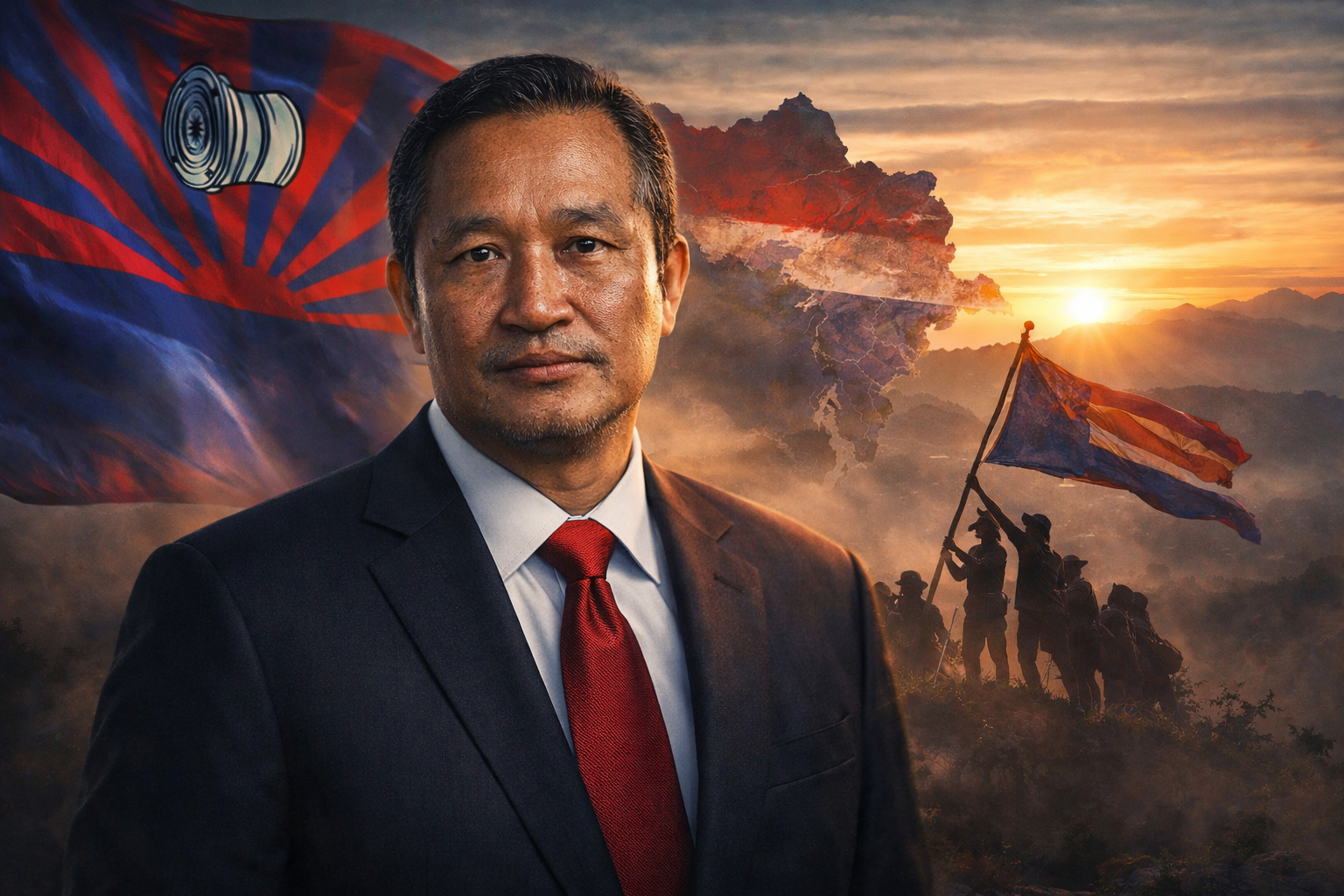
Kaw Thoo Lei’s Declaration of Independence: A Just Break From a Broken Union—and a Line in the Sand Against Corruption
In the first week of January 2026, Gen. Saw Nerdah Mya announced what many Karen have long believed was inevitable: Kaw Thoo Lei is declaring independence and standing up a new political structure—the Republic of Kawthoolei—with a Government of Kawthoolei with Nerdah Mya named as president. Khaosod English nationthailand
It is the clearest statement yet that Karen self-determination will not be negotiated forever while power brokers enrich themselves, the military manipulates peace talks, and the borderlands are poisoned by scam economies.
What was announced
Reporting in Thai and regional outlets describes a formal declaration and a provisional government framework—what supporters are treating as the political vehicle for sovereignty. Khaosod English nationthailand
Khaosod English reports Nerdah Mya grounded the declaration in ancestral land claims and international human-rights conventions, arguing the Burma (Myanmar) has collapsed and that the Karen are therefore establishing an independent state. Khaosod English
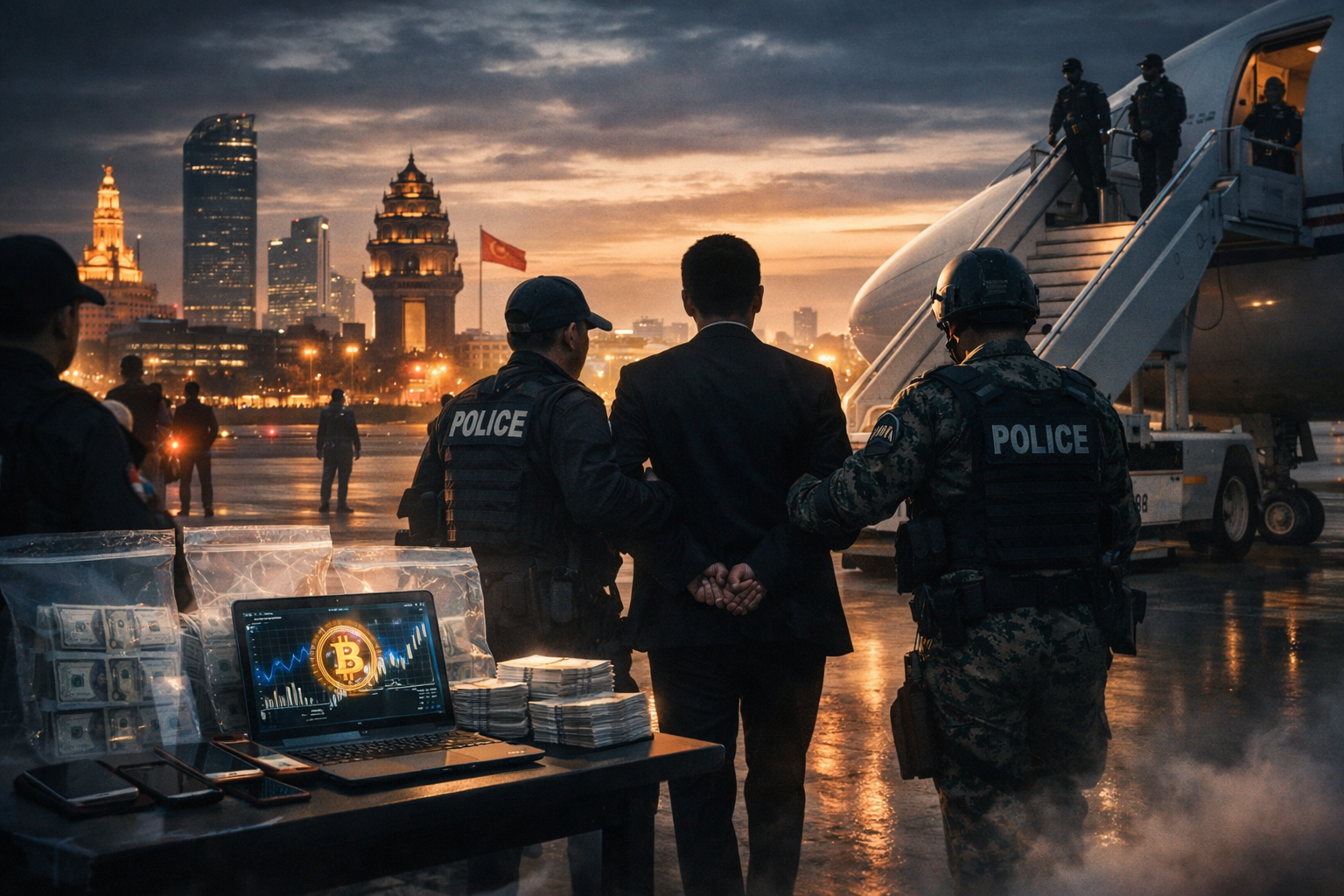
Cambodia Extradites Prince Group Founder Chen Zhi to China, Escalating a Global Crackdown on Scam-Compound Networks
Cambodia says it has arrested three Chinese nationals — Chen Zhi (founder/chairman of Cambodia’s Prince Group), Xu Ji Liang, and Shao Ji Hui — and extradited them to China at Beijing’s request as part of cooperation against transnational crime. Cambodia’s Interior Ministry also said Chen’s Cambodian citizenship had been revoked. Reuters
The announcement is significant because Chen Zhi has been at the center of a fast-growing international focus on Southeast Asia–based online fraud rings — networks that investigators say generate billions of dollars by running industrial-scale scams, often out of guarded compounds where trafficked workers are forced to work. Reuters
Who is Chen Zhi and what is Prince Group?
Chen Zhi is known publicly as the head of Prince Holding Group / Prince Group, a large Cambodia-based business conglomerate with interests in areas like real estate and finance. Department of Justice
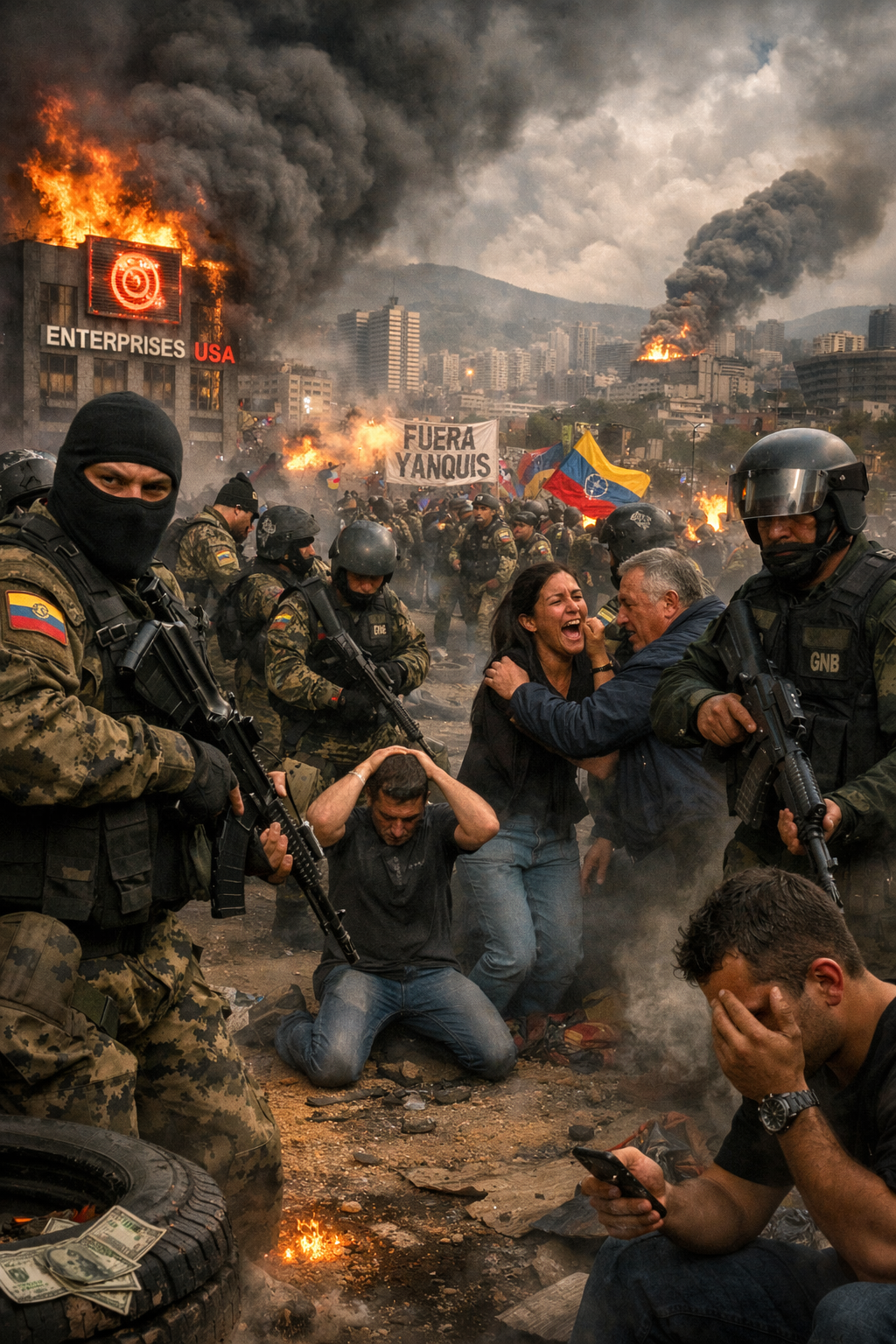
Venezuela’s Transition Trap: Why an Opposition Takeover Could Turn Into a National Meltdown
A reported CIA assessment, described by The Wall Street Journal, warns that Venezuela’s opposition would face major difficulty running a temporary government—and that top figures already inside the regime’s governing structure are “best placed” to lead in the immediate aftermath of Maduro’s removal. Wall Street Journal
That assessment hits as Venezuela enters a high-risk phase: the old system is still armed, still organized, and now openly framing events as “imperial aggression,” while the opposition is being pushed to claim authority without controlling the machinery of the state.
The core problem: you can’t govern what you don’t control
Even if the opposition is recognized internationally or has popular momentum, governing requires instant command of security forces, ministries, courts, ports, fuel distribution, and the national payroll. The intelligence warning—opposition struggles, insiders best positioned—reflects a hard reality: the regime’s institutional spine doesn’t disappear just because Maduro is gone. Wall Street Journal
Retaliation is already underway against anyone seen as pro-U.S.
This is the most explosive accelerant—and it directly targets “anyone supporting U.S. interests.”
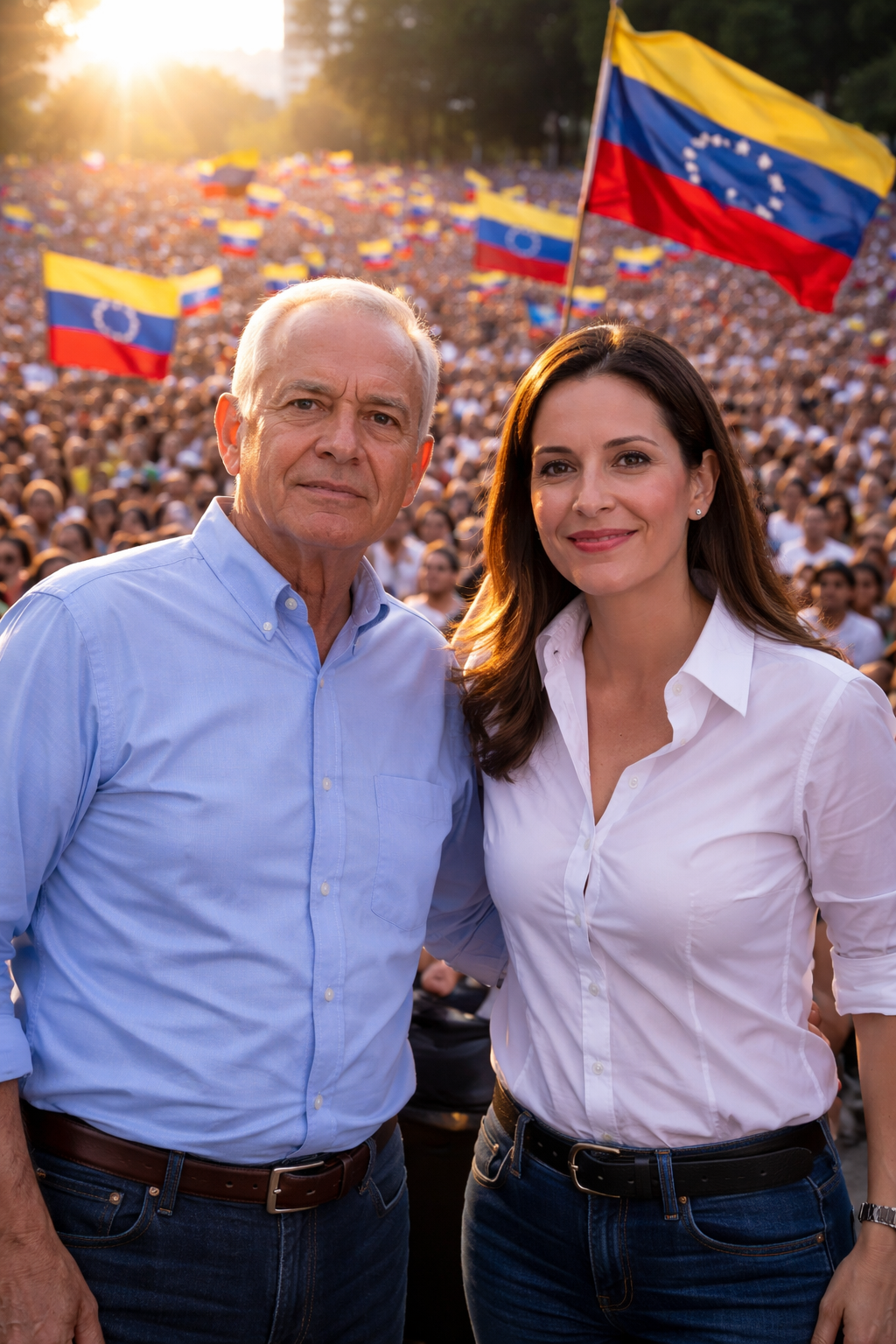
Venezuela’s Transition Must Belong to the Voters—Not Maduro’s Inner Circle
Why Delcy Rodríguez is the wrong choice, and why Edmundo González Urrutia—with María Corina Machado—is the better path
Venezuela cannot claim a democratic transition while placing Delcy Rodríguez at the controls. Rodríguez is not a neutral caretaker. She is a core architect of the Maduro-era state, elevated by the same power centers—military and Supreme Court—that protected the regime. AP News
AP reporting describes Rodríguez as a longtime Maduro ally who governed much of Venezuela’s economy and intelligence services, with strong ties to the regime’s elite networks. AP News Reuters similarly frames her as one of the country’s most powerful socialist-era operators, holding multiple top posts across government. Reuters
The credibility test: 2024’s election mandate points away from Rodríguez
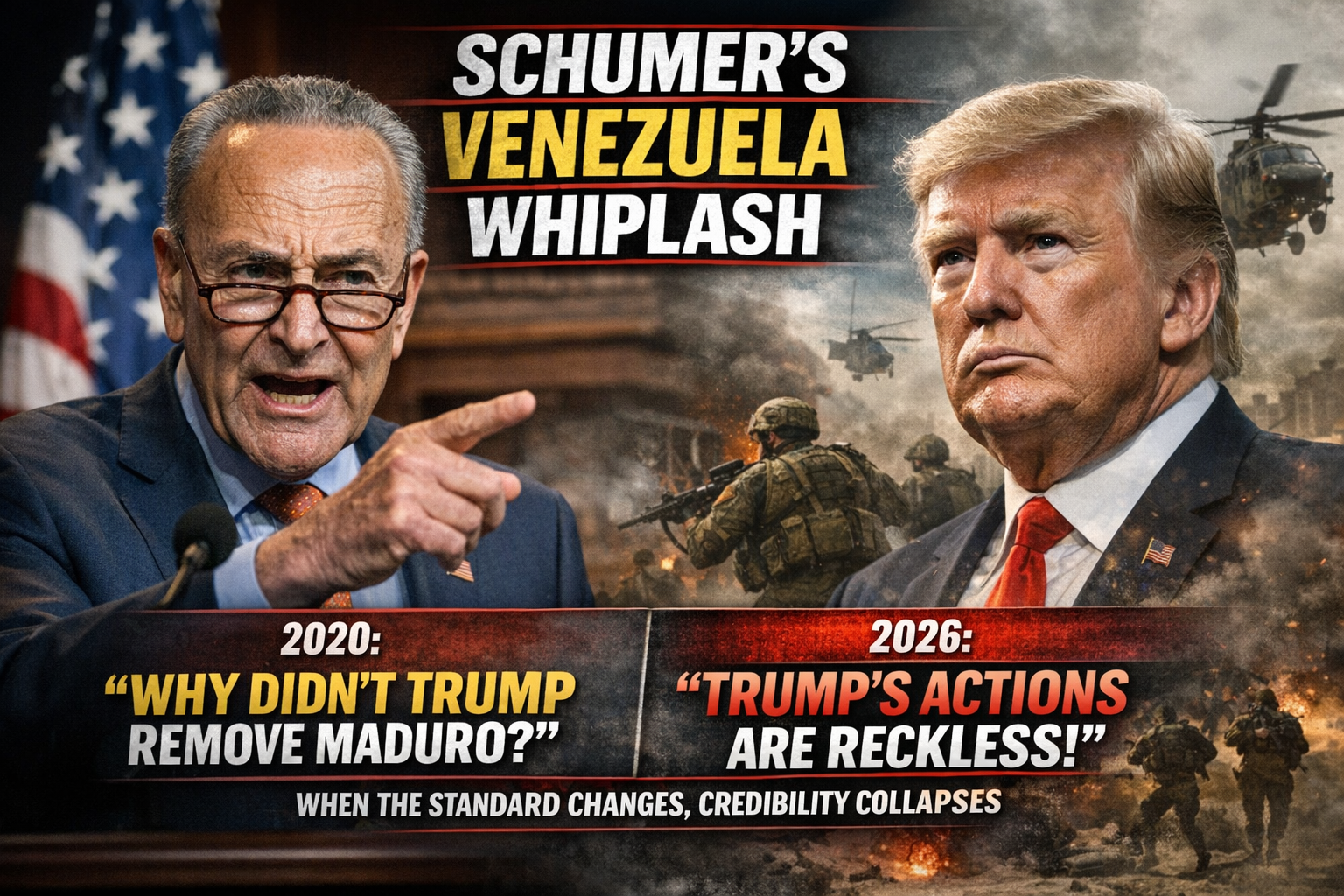
Schumer’s Venezuela Whiplash: When the Standard Changes, Credibility Collapses
Washington politics has a tell: when a leader’s “principles” shift depending on whether the outcome helps or hurts the other side, the public isn’t watching policy anymore—it’s watching positioning. Senator Chuck Schumer’s record on Venezuela is a case study in that credibility problem.
In February 2020, Schumer mocked President Trump’s Venezuela approach as a failure because it did not remove Nicolás Maduro. In January 2026, Schumer condemned Trump’s Venezuela military action as reckless and unlawful because it did escalate—without Congress and without a plan. Put together, the message to Americans becomes: Trump is wrong when he doesn’t act, and he’s wrong when he acts. That kind of “heads I win, tails you lose” posture is exactly how public trust gets shredded.
The 2020 attack: “It flopped… he hasn’t brought an end to the Maduro regime.”
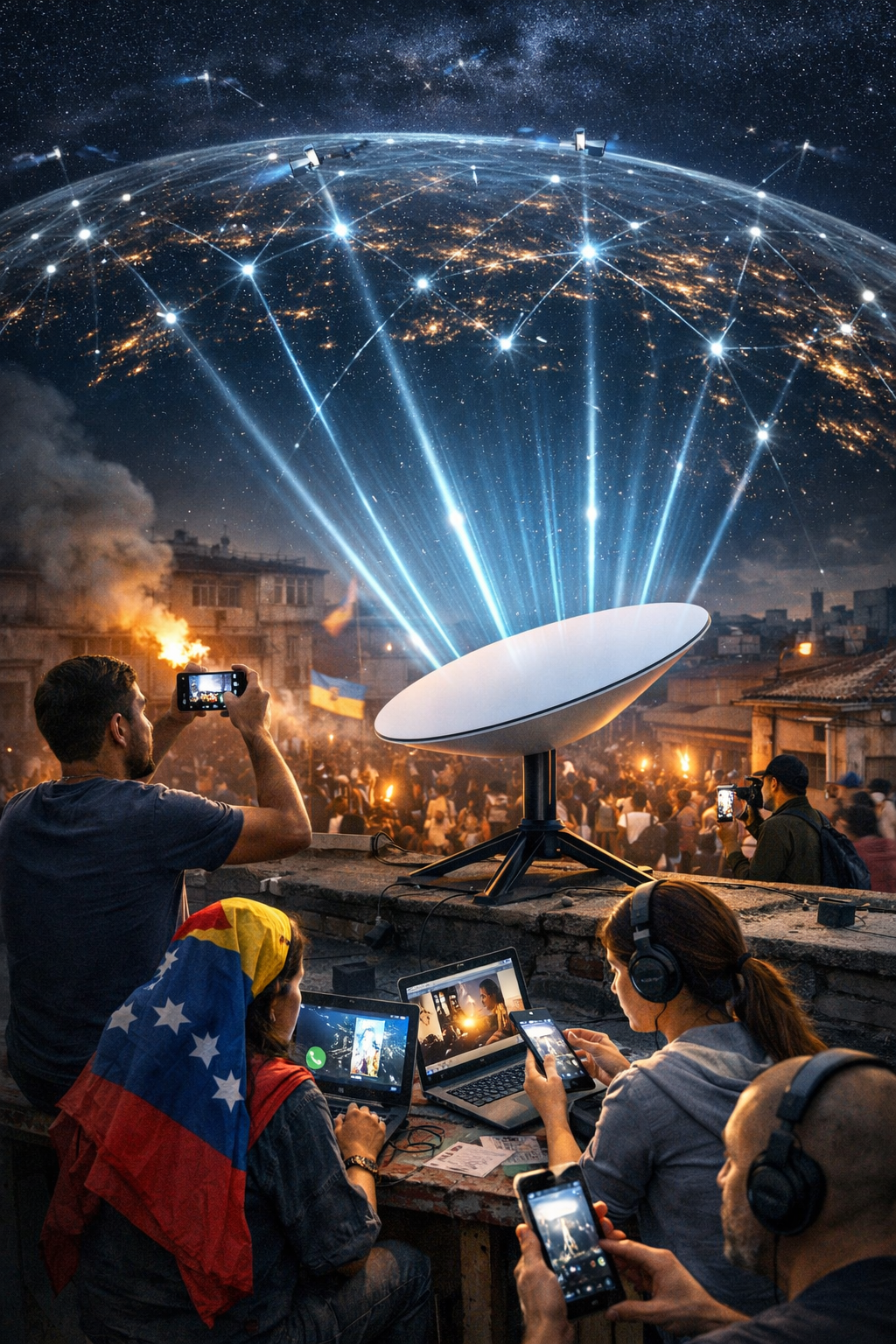
Elon Musk’s “Freedom Switch”: How Starlink Turns the Internet Back On When Regimes Try to Turn People Off
Authoritarians don’t start by debating you. They start by disconnecting you.
When protests swell, when journalists publish, when a people try to speak with one voice, oppressive governments reach for the same lever again and again: control the communications layer. Slow the network. Block platforms. Cut the power. Jam signals. Arrest anyone who posts the truth. Freedom House has tracked this trend for years—and reports that global internet freedom has declined for 15 consecutive years, driven by censorship, surveillance, and repression. Freedom House
That’s the battlefield Elon Musk walked onto with Starlink—whether the world was ready for it or not.
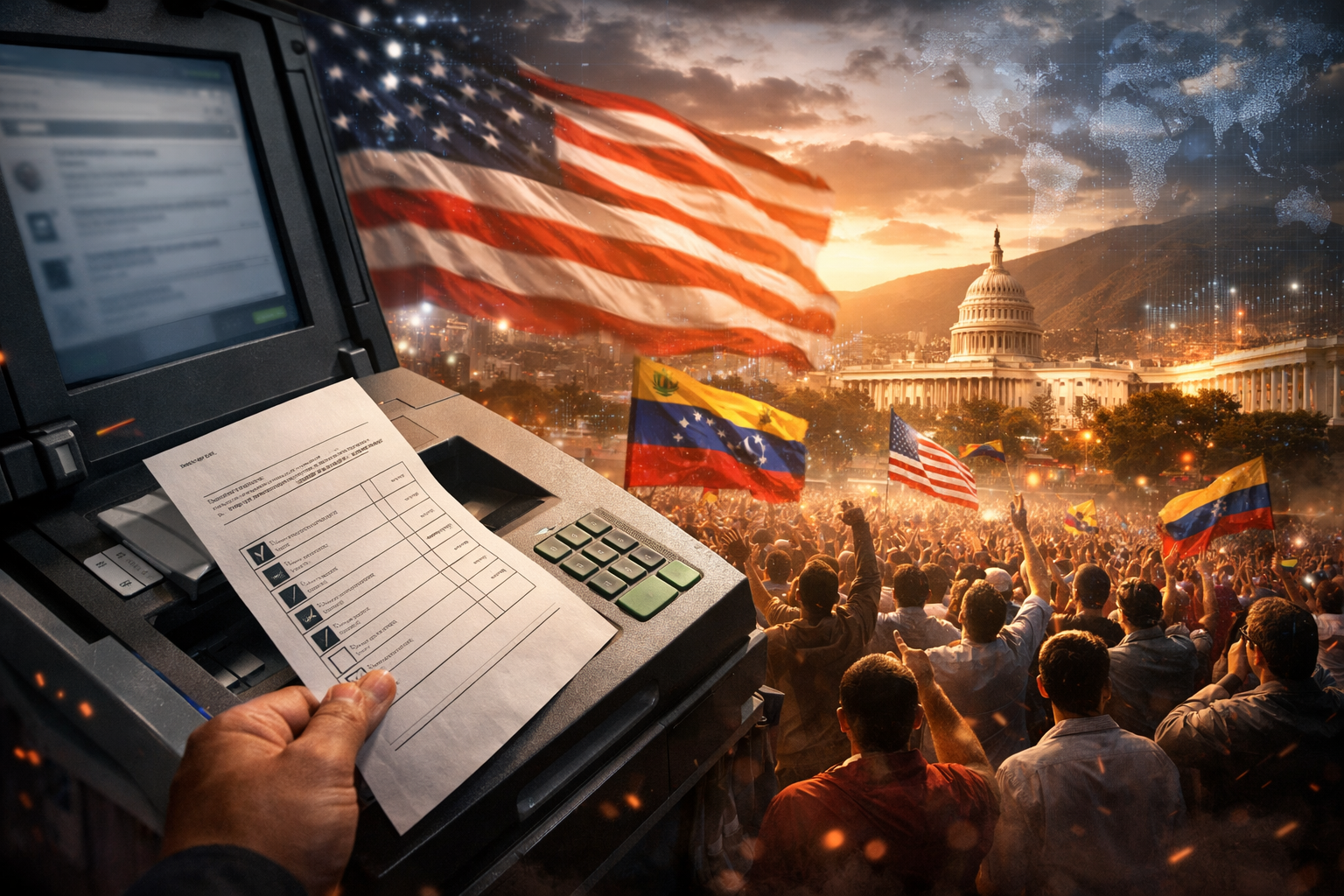
Venezuela, Voting Machines, and the Battle for the Republic: The Story They Say You Were Never Meant to Connect
Venezuela isn’t being discussed as just another troubled nation. It’s being framed as something far bigger: an operational hub—a place where power, influence, and systems of control were allegedly refined, exported, and used to shape outcomes far beyond its borders.
The argument is simple: if you want to understand what’s happening now, you have to rewind.
The Warning Broadcast on CNN That Still Echoes Today
In 2006, CNN’s Lou Dobbs Tonight ran reports focused on something that struck at the heart of American sovereignty: who controls the tools that run elections.
Dobbs opened one segment with a blunt claim that the federal government had failed to address a threat to election integrity:
“New evidence that the federal government has ignored a threat to the integrity of our elections.” CNN Transcripts
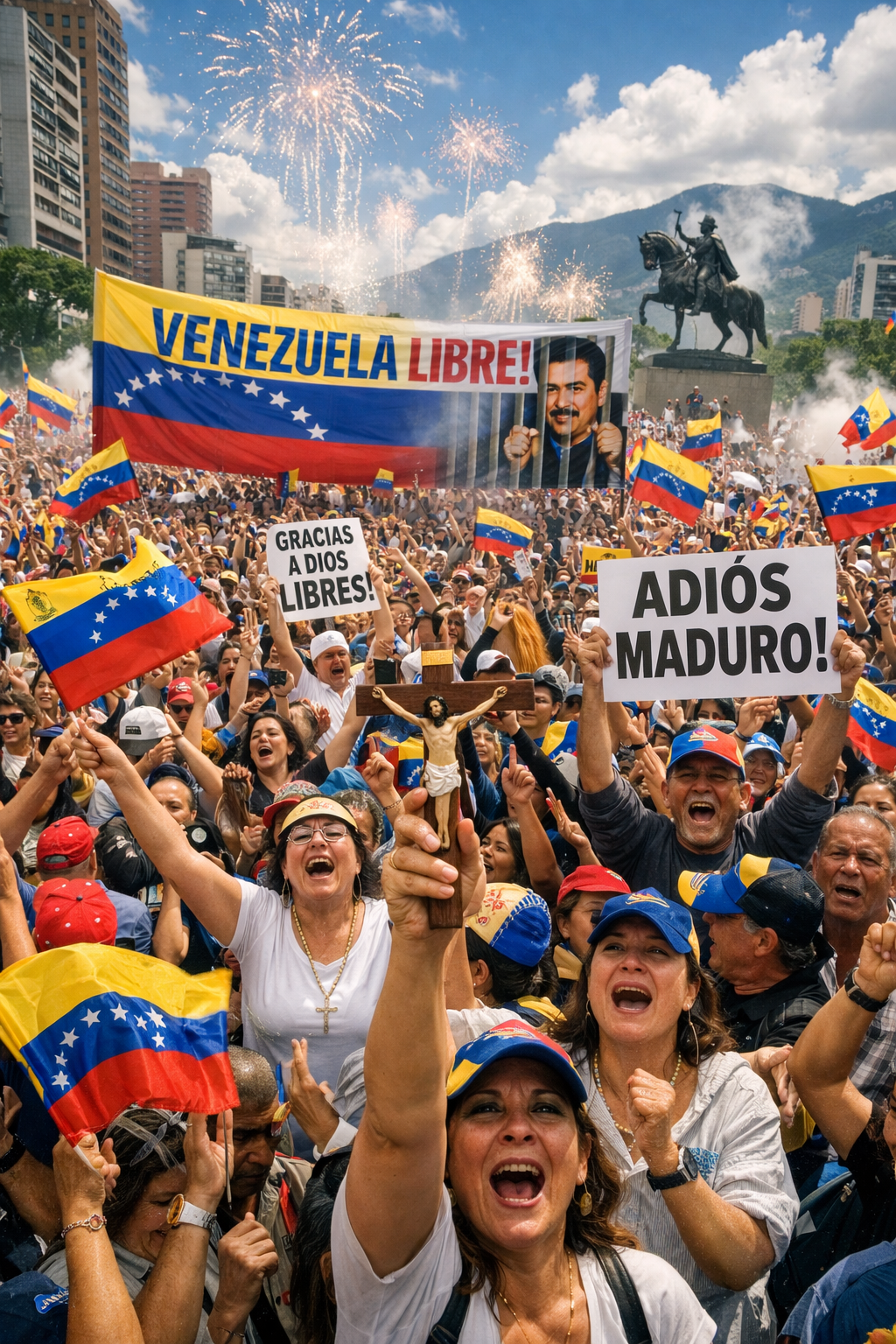
Venezuela’s “Freedom Sunday”: When a Nation’s Faithful Started Breathing Again After Maduro’s Fall
On January 3–4, 2026, the images that raced across phones and TV screens felt unreal to millions of Venezuelans: Nicolás Maduro removed from power and flown to the United States, now detained in New York as prosecutors move forward with criminal cases. AP News ABC News
And almost immediately—wherever Venezuelans could safely gather—celebration broke out.
The sound of relief: flags, tears, and the word “liberty”
In South Florida—especially Doral, a hub for Venezuelans who fled persecution and collapse—crowds wrapped themselves in Venezuelan flags, chanted for freedom, and treated the news like the end of a long night. AP News AP News
Outside the Metropolitan Detention Center (MDC) in Brooklyn, where Maduro is reportedly being held, Venezuelan expatriates gathered again—this time with a different kind of emotion: grief for what was lost, gratitude for survival, and a fierce hope that Venezuela might finally be returned to its people. AP News
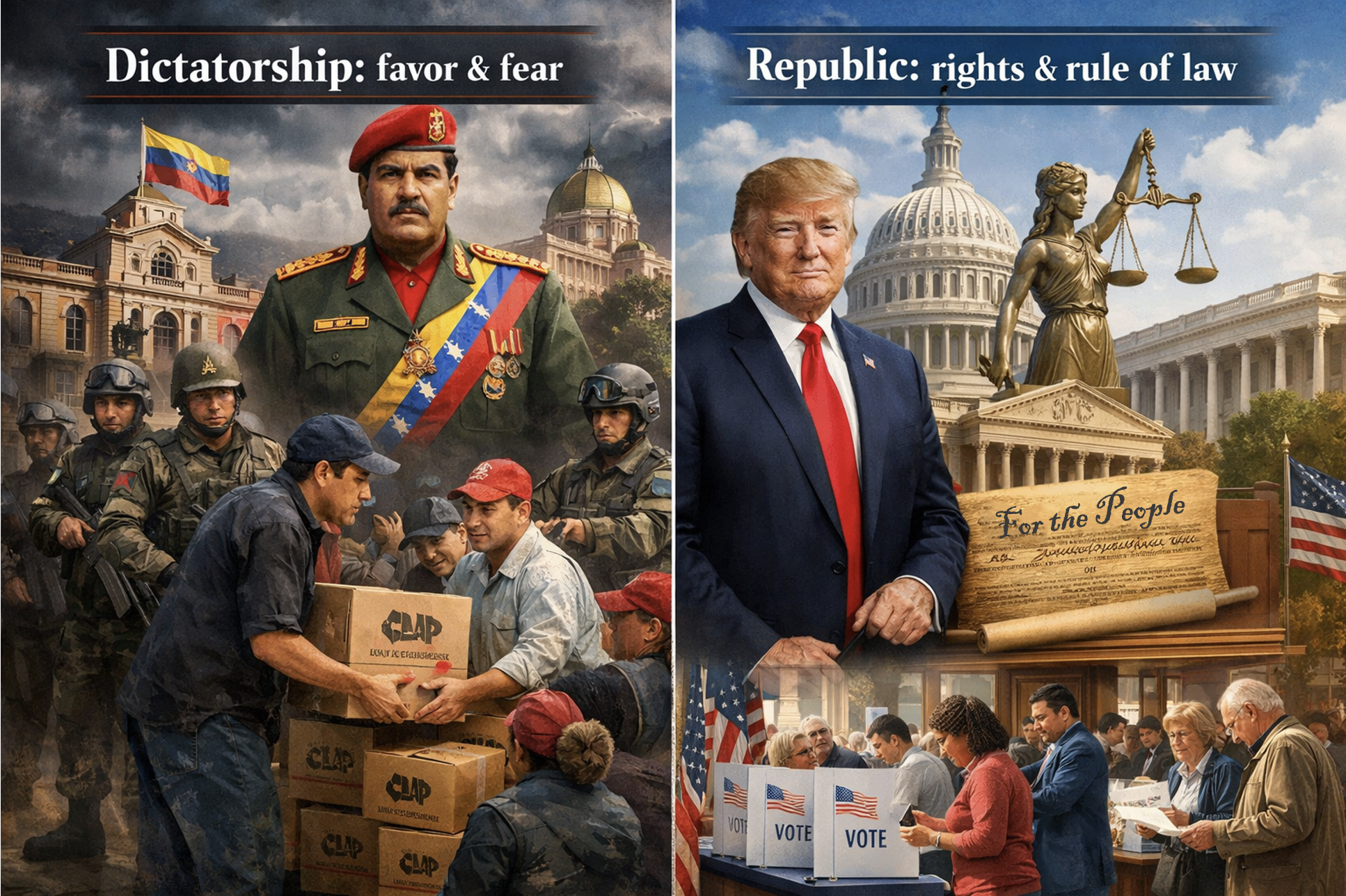
The Dictator’s Playbook: Buy Loyalty, Crush Everyone Else
A dictator’s modus operandi (their operating method) is simple: turn the state into a loyalty machine. The regime doesn’t exist to protect everyone’s rights. It exists to keep one person (or one clique) in power—and it does that by rewarding supporters and punishing everyone who won’t kneel.
Modus operandi—“how they operate.”
1) The Deal: “Support me, and you’ll get taken care of.”
Dictators don’t maintain control with elections and equal rights. They maintain control with selective benefits:
cash transfers, subsidies, cheap fuel, free food boxes
government jobs and contracts
permits, licenses, and “special access”
protection from prosecution (for loyal insiders)
This isn’t generosity. It’s transactional loyalty—a political economy built on “favorites.” Research on dictatorships and patronage describes exactly this dynamic: dictators often rely on patronage (targeted rewards) to keep political support. PIDE Files
2) The Machine: Patronage + Clientelism = Control
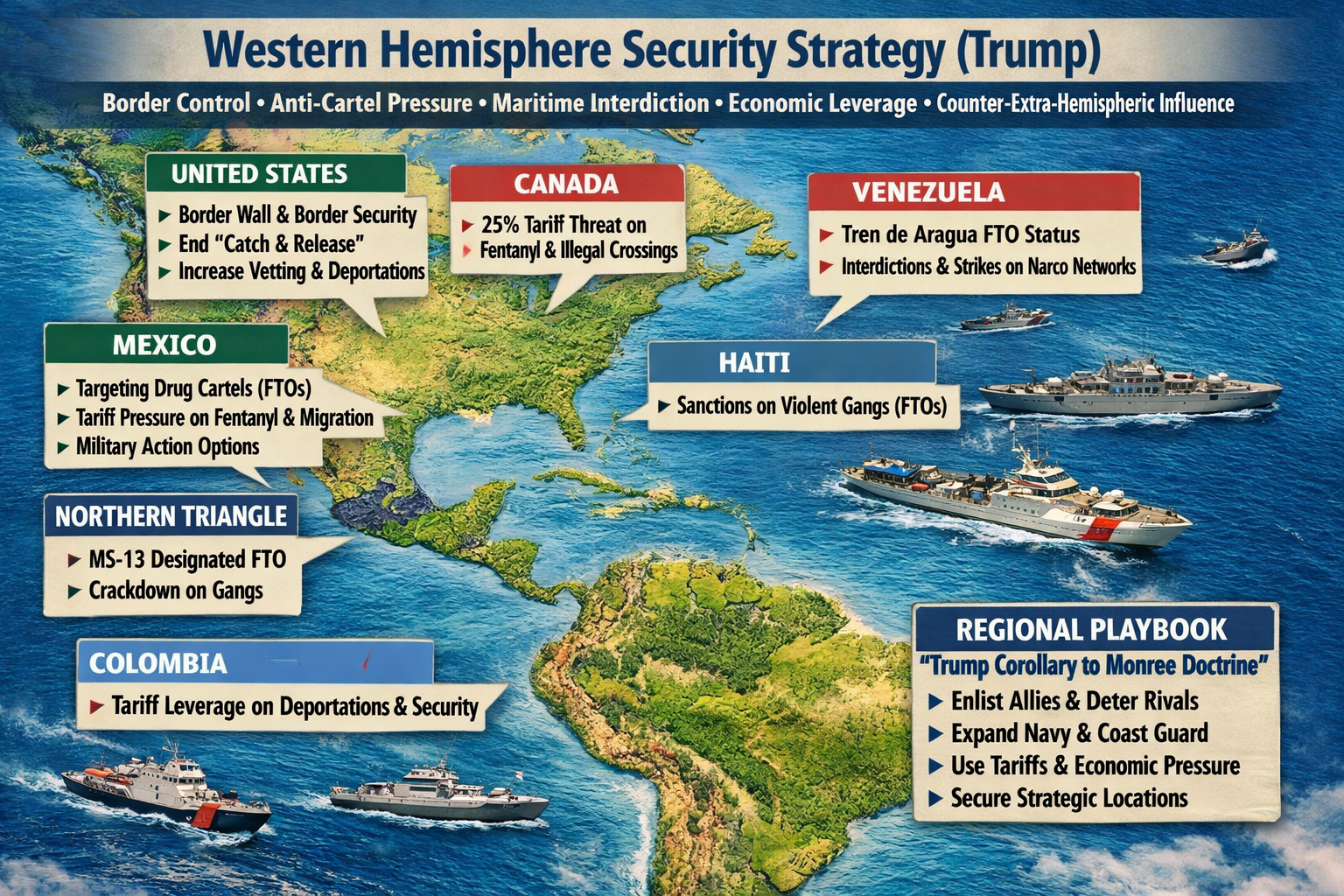
Why a Western Hemisphere security strategy matters — and what the U.S. gains from it
The practical advantage of a Western Hemisphere–focused security strategy is simple: the threats that most directly touch American communities overwhelmingly originate close to home—through land borders, regional migration routes, maritime corridors, and criminal networks that operate across the Americas. The 2025 National Security Strategy (NSS) explicitly frames the Western Hemisphere as a top-tier priority for preventing mass migration, disrupting “narco-terrorists, cartels, and other transnational criminal organizations,” protecting key assets and supply chains, and ensuring U.S. access to strategic locations—describing this approach as enforcing a “Trump Corollary” to the Monroe Doctrine. The White House
What that means in practice is that the Western Hemisphere becomes a “homeland-and-near-abroad” security perimeter: reduce destabilization in the region, deny hostile outside powers room to build leverage, and choke off the drug/trafficking pipelines that fuel violence and addiction in the United States.
The core advantage: move the fight outward, not inward