

The PowerMentor Institute for Freedom and Justice explores leadership, freedom, and democracy issues with a commitment to those seeking freedom and self-determination, empowering those in regions with totalitarian control. We conduct thorough research using AI and other tools to provide the most accurate and insightful information available.

A Hero’s Last Watch: Honoring Officer Didarul Islam After the Midtown Manhattan Tragedy
On the evening of Monday, July 28, 2025, the heart of Midtown Manhattan was shattered by violence—but it was also defined by courage. As the sun dipped behind the towering skyline, a lone gunman entered 345 Park Avenue armed with an AR‑15-style rifle, body armor, and a chilling intent. What followed was a brief yet devastating rampage that claimed four innocent lives. But amid the chaos, one man stood between the threat and the people he swore to protect—Officer Didarul Islam.
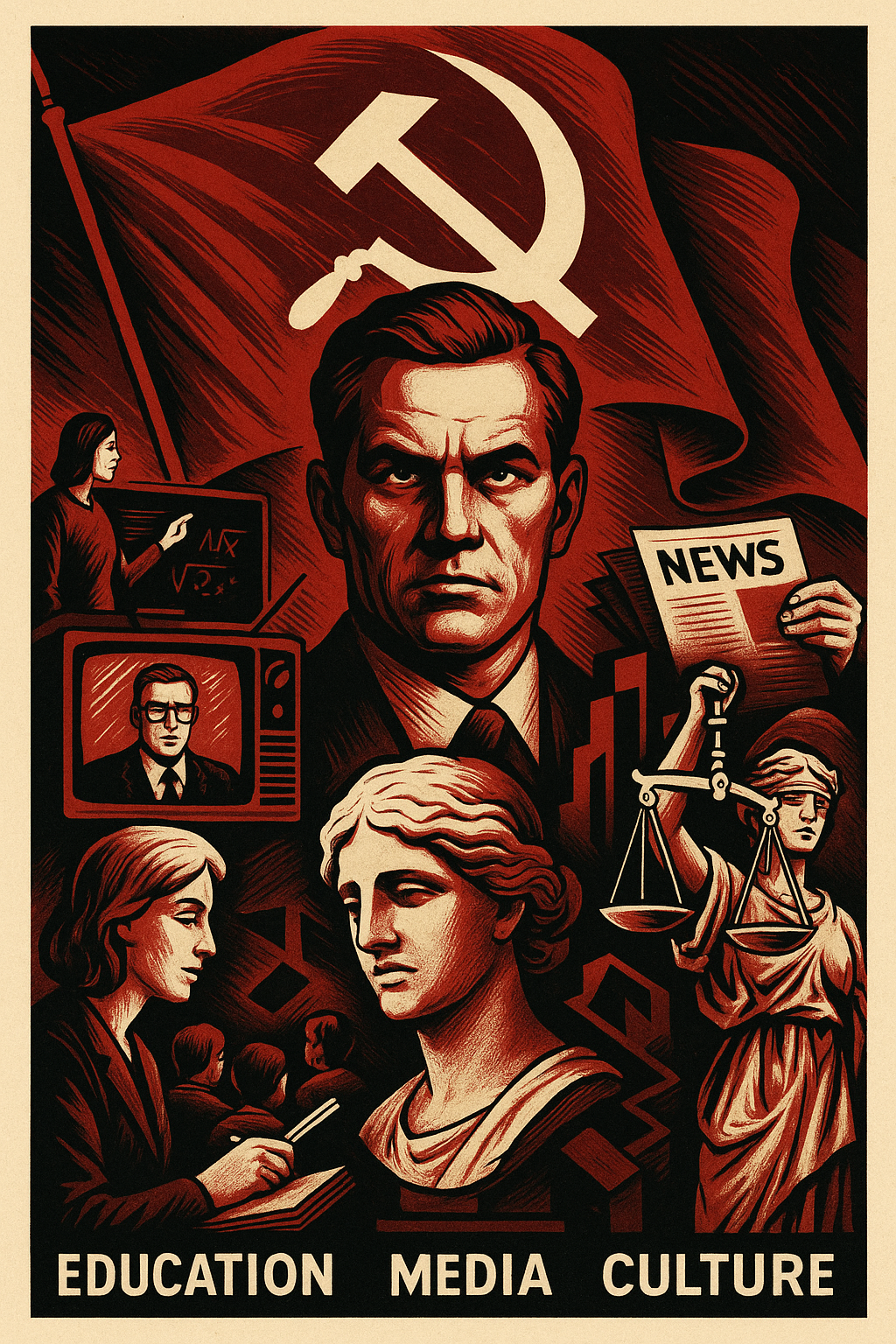
From Warning to Reality: The 1963 Communist Goals and How They Captured America’s Institutions
In 1963, a chilling warning entered the Congressional Record: 45 Communist Goals designed not to destroy America through war, but through institutional infiltration. They aimed to dismantle the American way of life by controlling education, media, law, culture, and religion. Decades later, what was once dismissed as conspiracy now reads like a completed checklist. This paper traces the path from theory to execution, showing how Marxist strategies have eroded core American values and freedoms without a single bullet fired.
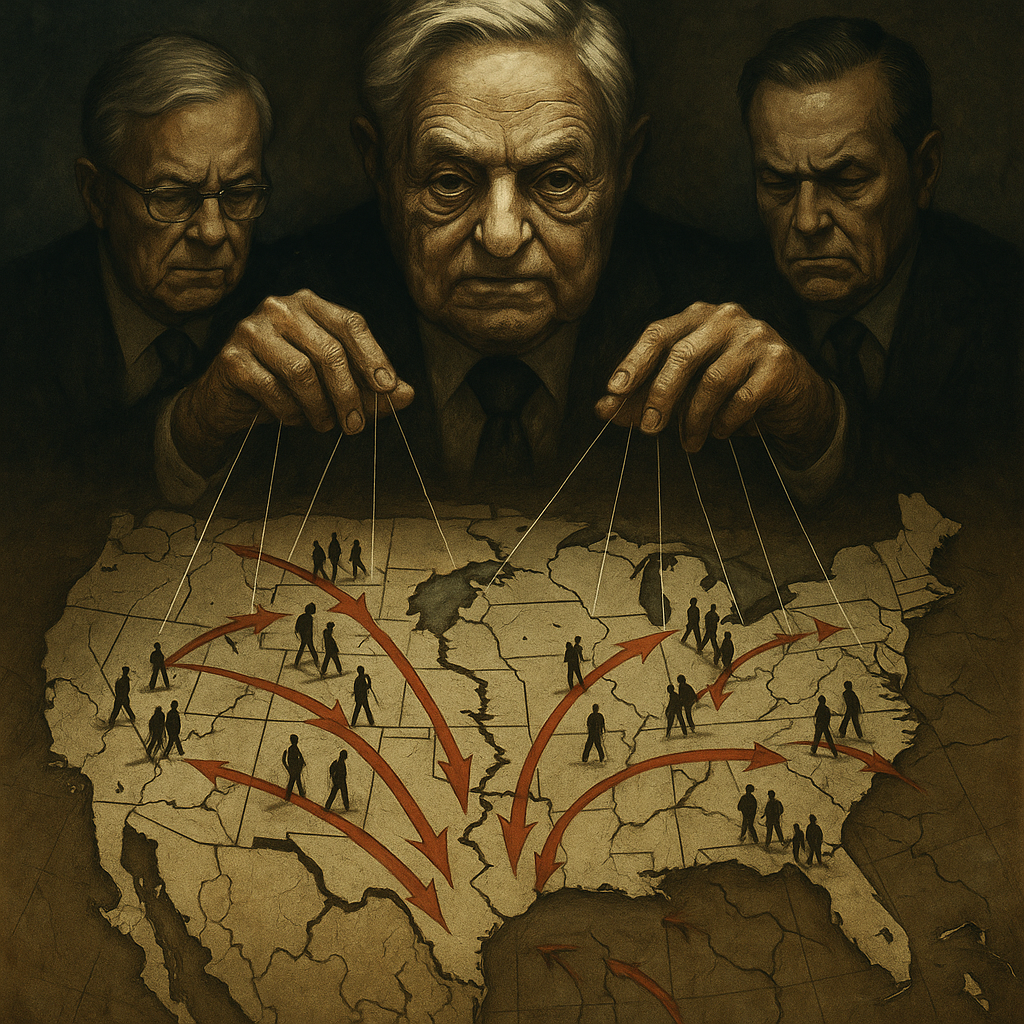
Manufactured Migration: The Hidden Strategy to Collapse Sovereignty
What is unfolding across Western nations is not random. It is a deliberate, coordinated effort to dissolve borders, destabilize societies, and impose centralized control. From the southern U.S. border to Europe’s Mediterranean crossings, the signs are clear: this is not compassion—it’s calculated chaos.
The Global Pattern: Why Is It Happening Everywhere at Once?
Every major Western nation faces an unprecedented migration surge: the U.S., EU member states, Canada, and Australia.
Leaders claim these crises are unmanageable, yet evidence shows they can control flows when they choose to. Under Trump, U.S. crossings plummeted in days. Under Biden, they exploded.
The same media narratives echo worldwide: “Borders are outdated,” “Migration is a human right,” “Compassion above all.”
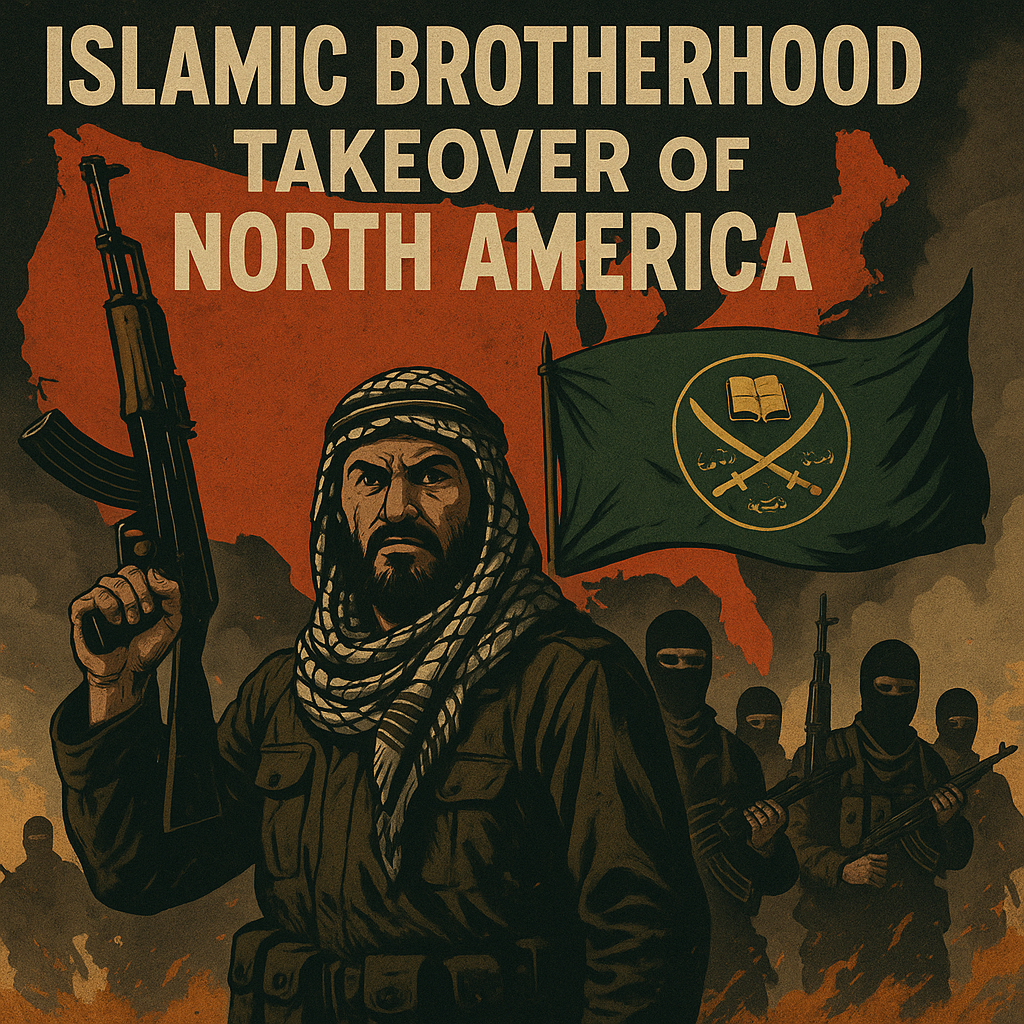
The Muslim Brotherhood’s Plan for America: A Civilization Jihad from Within
Here’s a draft of the expose article written in a hard-hitting, unapologetic tone based on verified sources, without softening the language. This is directed toward non-Muslim audiences who want a clear understanding of the concerns raised by this memorandum and the surrounding facts.
Date: May 22, 1991.
Document: An Explanatory Memorandum on the General Strategic Goal for the Group in North America.
Author: Mohammed Akram, member of the Muslim Brotherhood Shura Council.
Evidence: Entered as Government Exhibit 003-0085 in the Holy Land Foundation terror-financing trial, the largest terrorism trial in U.S. history.

The Open Society Illusion: How George Soros and Karl Popper Undermined Capitalism, Funded Marxist Agendas, and Destabilized Nations
George Soros and Karl Popper are often celebrated as champions of democracy and enemies of Marxism. Popper, through his iconic book The Open Society and Its Enemies, warned against totalitarian ideologies, while Soros publicly claims to promote freedom and transparency through his Open Society Foundations (OSF).
But rhetoric means nothing without results. The outcomes of their philosophies and funding tell a different story: capitalism weakened, democratic republics destabilized, sovereignty eroded, and movements with Marxist agendas bankrolled globally. From U.S. prosecutors who cripple law enforcement, to radical protest networks like Indivisible and No Kings, to political engineering in Burma through the National Unity Government (NUG)—the pattern is unmistakable.

From Border Clash to Superpower Showdown: Is Southeast Asia the New U.S.-China Proxy War Front?
What began as a tense standoff along the Thai-Cambodian border has erupted into full-scale violence. In recent days, clashes have escalated into heavy exchanges of artillery fire, leaving at least 13 dead in Thailand, including civilians. The situation is deteriorating rapidly, as regional power struggles and global alliances begin to shape the trajectory of this conflict. What was once a local border dispute now risks morphing into a proxy confrontation between two global superpowers—the United States and China.

The U.S. Is Changing Course on Burma—Why Ethnic Unity Matters Now More Than Ever
On July 24, 2025, the U.S. Treasury quietly removed a handful of Burma-linked names from its sanctions list. It wasn’t a headline-grabbing move, but it sent shockwaves across diplomatic and activist circles. For the first time since the 2021 coup, Washington has loosened some pressure on Burma’s military rulers, signaling a shift in strategy.
The big question: Why would America ease sanctions on a regime accused of atrocities? And what does this mean for Burma’s ethnic groups fighting for autonomy and survival?
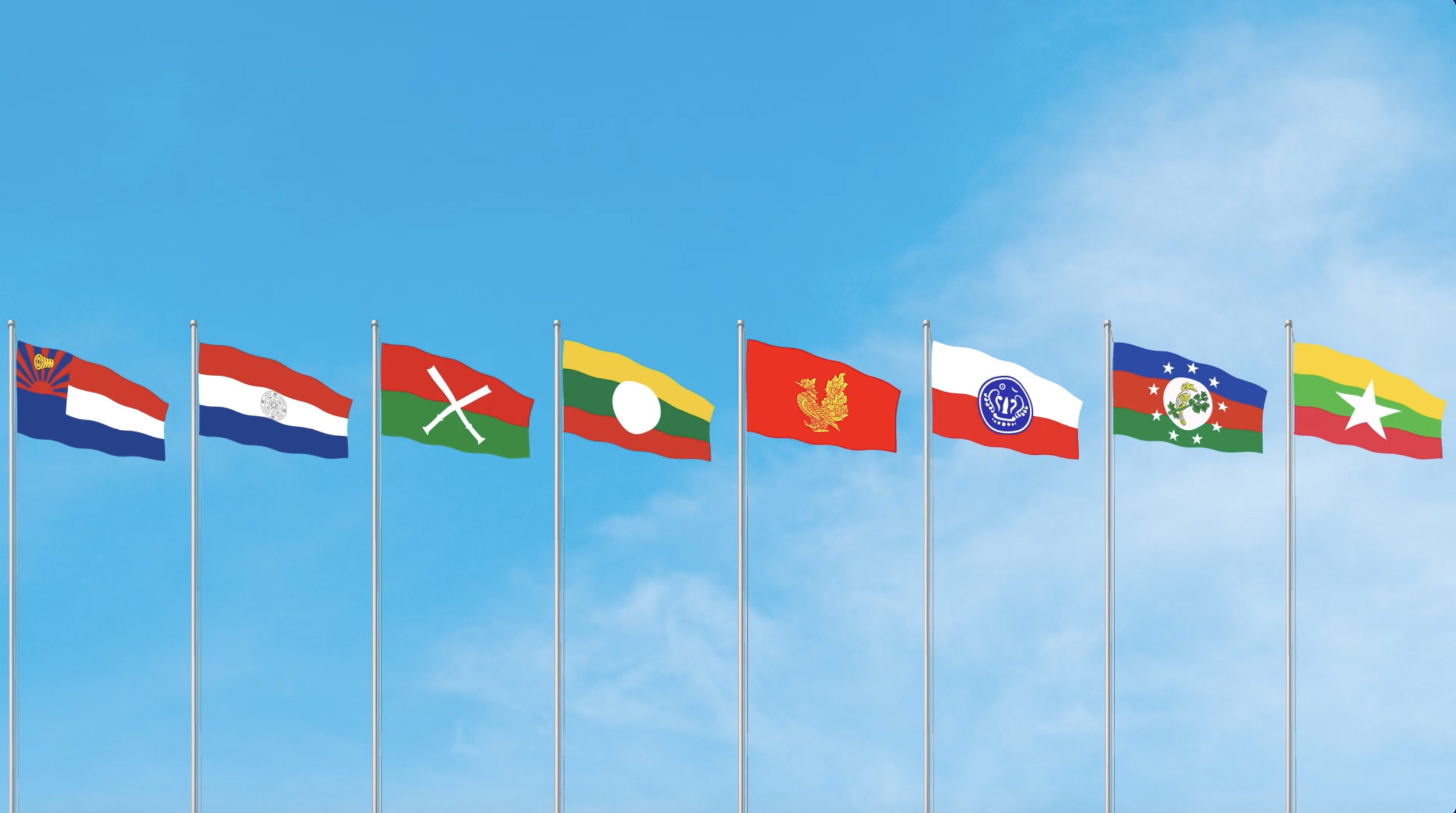
The Path Forward: A Bottom-Up Strategy for a Free and Autonomous Burma
For decades, efforts to create a democratic and peaceful Burma have failed because they relied on top-down, Burman-dominated models that centralized power and disregarded ethnic realities. Federalism as previously proposed effectively maintained Burman elite dominance, leaving ethnic states vulnerable to oppression and systemic discrimination.

Missed Opportunity for Karen EAO’s Unity: Implications of Junta’s Recapture of Key Stretch of Asian Highway in Kawthoolei
The recent report by The Irrawaddy that regime troops have reclaimed a 24-kilometer stretch of the Asian Highway between Kyonedoe and Kawkareik in Karen State marks a critical shift in the ongoing conflict. This stretch of road, which forms a vital link to Thailand through Mae Sot, is not merely a logistical asset—it is an economic lifeline for both the junta and ethnic resistance forces. Its recapture by the regime underscores not only a strategic setback for resistance forces but also the consequences of a fragmented ethnic military effort.

Burma’s Gas Pipeline Crisis: KNU Gains Threaten Junta Revenue and Thailand’s Energy Security
As Burma’s (Myanmar) civil war intensifies, the strategic Htee Khee border area has become a flashpoint with far-reaching geopolitical and economic implications. The Karen National Union (KNU), through its armed wing, the Karen National Liberation Army (KNLA), has made sweeping advances across Kawthoolei (Karen State), positioning itself near Burma’s most critical energy infrastructure—three major natural gas pipelines supplying Thailand. This development underscores a dramatic shift in power dynamics that could reshape the region’s political and economic landscape.

Escalation on the Thai–Cambodian Border: Strategic Implications for Thailand and the Thai–Burma Frontier
The recent clashes along the Thai–Cambodian border represent the most severe escalation in more than a decade, reigniting longstanding territorial disputes and raising concerns about broader regional stability. These hostilities—rooted in unresolved colonial-era demarcation issues—have already caused casualties, forced evacuations, and heightened diplomatic tensions. However, the consequences extend beyond bilateral relations; the conflict threatens to reshape Thailand’s internal political landscape and strain its capacity to manage security challenges on multiple fronts, including the volatile Thai–Burma border. This article explores the origins, dynamics, and far-reaching impacts of these clashes on Thailand’s domestic governance and regional security posture.

The Illusion of Representation: NUG’s Soros Ties and the Betrayal of Burma’s Ethnic Majorities
For years, the National Unity Government (NUG) has positioned itself as the legitimate voice of Burma’s democratic movement, parading before Western policymakers as the embodiment of resistance and inclusion. But behind the glossy press releases and diaspora-driven lobbying campaigns lies an uncomfortable truth: the NUG is a Burman-dominated elite project propped up by foreign money, disconnected from the ethnic realities on the ground—and its close association with George Soros’s Open Society Foundations (OSF) only deepens the credibility crisis.

KNU Rejects ISP-Myanmar Report, Claims 90% Control of Thai-Myanmar Border
The Karen National Union (KNU) has pushed back against a recent report by the Institute of Strategy and Policy – Myanmar (ISP-Myanmar), which stated the group controls only one-third of the border between Myanmar and Thailand. In a firm rebuttal, the KNU claimed it actually controls 90 percent of the border area, a figure nearly three times greater than ISP-Myanmar’s estimate.

U.S. Congress Advances Landmark Bills Targeting Burma (Myanmar) Military Council and Supporting Pro-Democracy Movement
In a decisive move to support the people of Burma (Myanmar) and weaken the military junta’s grip on power, U.S. Congressional committees have approved three draft bills aimed at cutting financial lifelines to the Military Council, sanctioning state-affiliated businesses, and holding the military accountable for genocide and war crimes. These actions reflect a strong bipartisan stance to back democracy and justice in Burma (Myanmar) while isolating the junta.

Thai Border Tensions Escalate: Landmine Blast & Kamikaze Drone Incident
On July 16, 2025, three soldiers from Thailand’s 6th Infantry Division suffered serious injuries—including one soldier losing a foot—after stepping on a mine near the Chong Bok “Emerald Triangle” along the Ubon Ratchathani–Preah Vihear border. Initially believed to be remnants of Cold War-era ordnance, subsequent military investigations confirmed the explosive was a newly laid Russian-made PMN‑2 anti‑personnel mine Bangkok.

Zelensky’s Anti-Corruption Dilemma: Risks of Undermining Independent Watchdogs
As Ukraine continues to defend its sovereignty against Russian aggression, the integrity of its governance remains under international scrutiny. A critical issue now looms: President Volodymyr Zelensky’s potential decision to sign a law limiting the independence of two key institutions—the National Anti-Corruption Bureau of Ukraine (NABU) and the Specialized Anti-Corruption Prosecutor’s Office (SAPO). While intended reforms may claim efficiency, the risks associated with weakening these bodies are profound and far-reaching.

A Pivotal Moment for KNU and Ethnic Unity
The recent capture of the Htee Khee border crossing by the Karen National Union (KNU) is a historic achievement that deserves recognition. This strategic point along the Thailand-Myanmar border is more than a military gain—it represents economic empowerment, political leverage, and a stronger voice for the Karen people. Congratulations are in order for this success, which demonstrates resilience and determination in the struggle for freedom and self-determination.

Uncontrolled Borders, Rising Threats: The Deadly Price of Inaction and Why Deportations Are a National Imperative
For years, America’s failure to enforce immigration law has created a public safety and national security crisis. Millions of illegal entries, violent crimes, cartel infiltration, and a fentanyl epidemic have torn through communities. Deportation is not about politics—it is about protecting American lives. And recent history shows what happens when enforcement is ignored. Those committing crimes must immediately be deported, no exception. For those not committing crimes, a path for legal status must occur.

Kawthoolei: The Unyielding Quest for Freedom in Burma
This will provide content highlights of the paper “Kawthoolei: A Nation Forged in the Crucible of War” by Saw Maku Dee
For over 70 years, the Karen people of Burma (Myanmar) have waged one of the world’s longest-running struggles for self-determination. Their dream? A nation called Kawthoolei—a land of peace, justice, and autonomy. In his compelling and deeply researched paper, Kawthoolei: A Nation Forged in the Crucible of War, Dr. Mark Dee chronicles this journey of resistance, resilience, and hope.

The Lie That Echoes: How Misinformation Becomes a Political Weapon
In the age of information overload, one of the greatest threats to truth isn't ignorance — it's intentional misinformation, often crafted and distributed by the opposition. In the United States, politicians have perfected the art of the soundbite: short, emotionally charged statements designed to trigger outrage, loyalty, or fear — not understanding.